Iran's Diplomatic Push on Day 59 Amid Hormuz Blockade
The 30-Second Skim
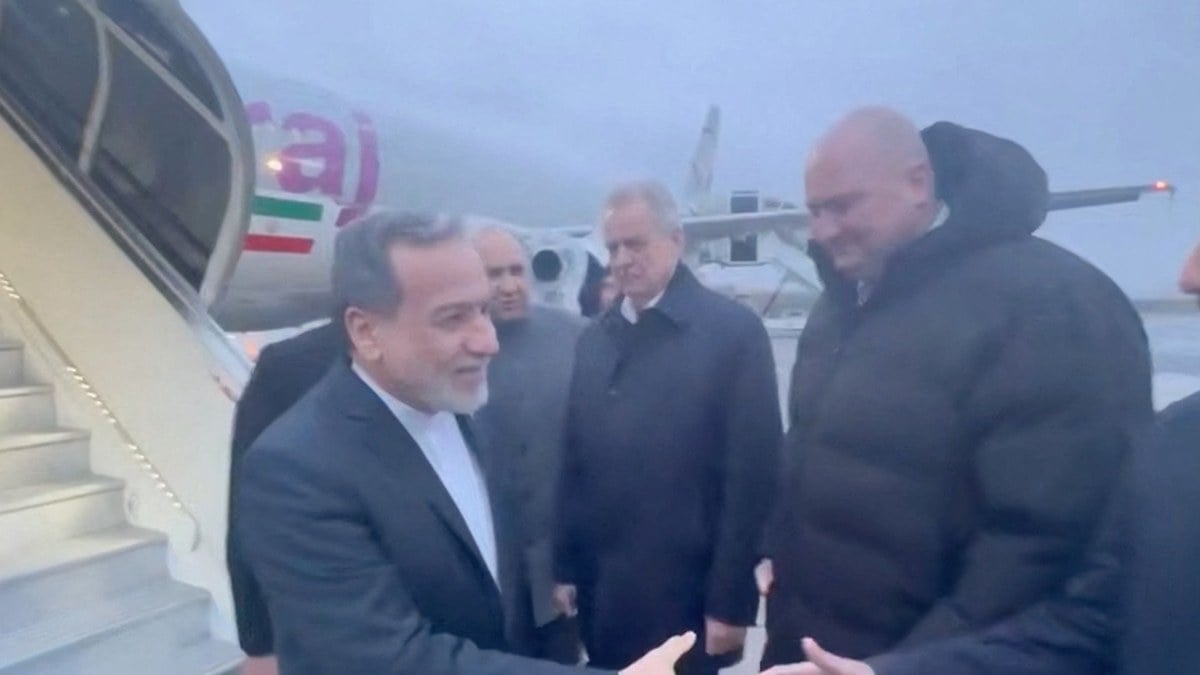
- What happened: Iran's foreign minister Abbas Araghchi is racing across Pakistan, Oman and Russia to pry open talks while the IRGC keeps the Hormuz Strait sealed, and Israel steps up strikes in Lebanon despite a U.S.-brokered ceasefire. Meanwhile, President Trump says Tehran can telephone the United States if it wants to negotiate an end to the war, and Russia warns Washington must drop its blackmail if negotiations are to move forward.
- Key facts & numbers: Iran maintains a de facto blockade of the Strait of Hormuz, with its Islamic Revolutionary Guard Corps stating it has no intention to unblock the waterway. Abbas Araghchi visited Pakistan and Oman, calling the talks 'very productive,' and flew to Saint Petersburg to meet President Vladimir Putin. Donald Trump said Tehran can telephone the United States if it wants to negotiate an end to the two-month war.
- What happens next: Iran's envoy is hopping continents while its IRGC still blocks the strait, and Israel's Lebanon strikes just got deadlier – looks like a high‑stakes diplomatic chess game.
- Iran maintains a de facto blockade of the Strait of Hormuz, with its Islamic Revolutionary Guard Corps stating it has no intention to unblock the waterway.
- Abbas Araghchi visited Pakistan and Oman, calling the talks 'very productive,' and flew to Saint Petersburg to meet President Vladimir Putin.
- Donald Trump said Tehran can telephone the United States if it wants to negotiate an end to the two-month war.
- Israel escalated attacks in Lebanon, killing at least 14 people despite a U.S.-brokered ceasefire.
Why It Matters
Indian exporters lose a critical shipping route as the Hormuz blockade persists, while the 14‑person death toll in Lebanon raises regional tensions, threatening oil‑related revenues.
Sources Cited
Related Coverage
Ask SkimNews