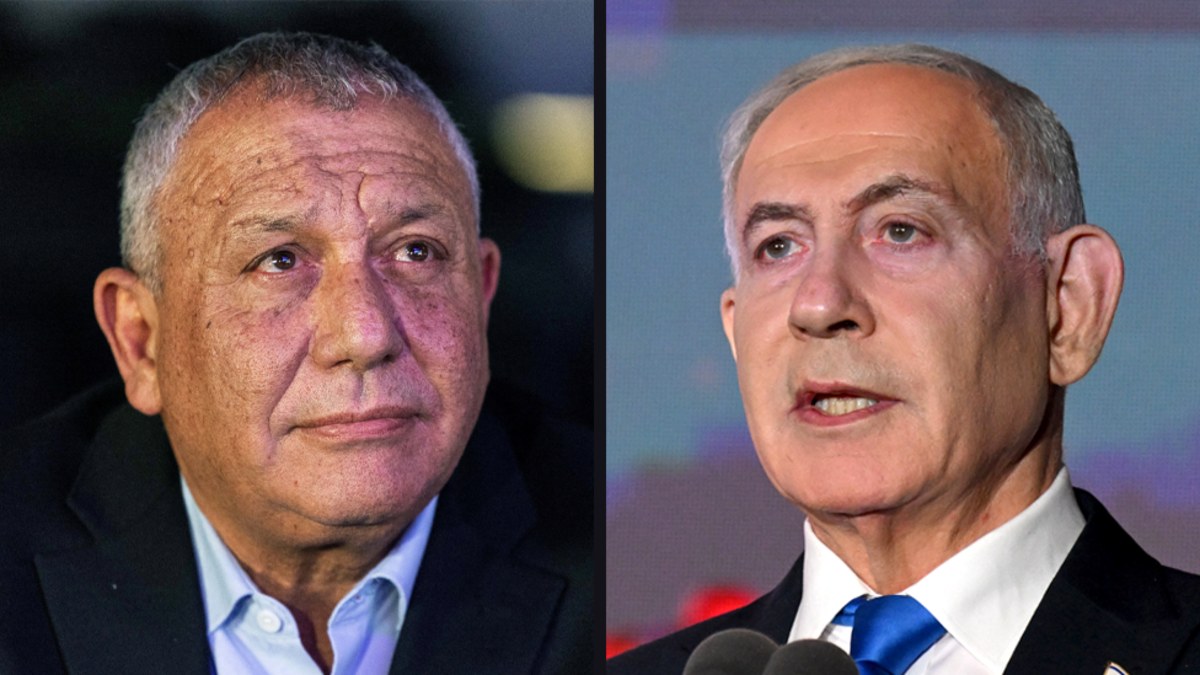
Israel Election: Netanyahu vs Eisenkot in Tight Race
The 30-Second Skim
- What happened: Israel holds its first election since the 7 October 2023 Hamas attacks on Tuesday, 27 October, in a tight race between incumbent Benjamin Netanyahu and former IDF chief Gadi Eisenkot, with the outcome set to shape Gaza policy, West Bank settlement expansion, and judicial reform.
- Key facts & numbers: Israel holds its general election on Tuesday 27 October — the first since the 7 October 2023 Hamas attacks, which killed nearly 1,200 people and saw 251 taken hostage, and subsequent wars in Gaza and against Iran, Hezbollah, and the Houthis. Gadi Eisenkot, a former IDF chief who formed the Yashar Party last year, is polling in a tight race with Netanyahu; he lost a son in the Gaza war's early months and resigned from the war cabinet in 2024 over strategic disagreements. Netanyahu's likely coalition partners include far-right parties calling for West Bank annexation and Palestinian "migration" from Gaza, with some Likud members also endorsing forced displacement.
- What happens next: Both candidates back Trump's Gaza plan — the real fight is the West Bank, where Eisenkot blocks E1 while Netanyahu's allies push annexation. Buried lede: no major Jewish party is even running on a two-state solution anymore.
- Israel holds its general election on Tuesday 27 October — the first since the 7 October 2023 Hamas attacks, which killed nearly 1,200 people and saw 251 taken hostage, and subsequent wars in Gaza and against Iran, Hezbollah, and the Houthis.
- Gadi Eisenkot, a former IDF chief who formed the Yashar Party last year, is polling in a tight race with Netanyahu; he lost a son in the Gaza war's early months and resigned from the war cabinet in 2024 over strategic disagreements.
- Netanyahu's likely coalition partners include far-right parties calling for West Bank annexation and Palestinian "migration" from Gaza, with some Likud members also endorsing forced displacement.
- Israel's 120-seat Knesset uses proportional representation, often producing coalition talks that last weeks or months — between 2019 and 2022, Israel went through five elections without producing stable governments.
Why It Matters
With Netanyahu's coalition leaning on far-right partners who push for West Bank annexation and Palestinian displacement, the election outcome directly shapes whether settlement expansion continues unchecked or faces new constraints under Eisenkot, who opposes the E1 project and wants unauthorized outposts removed. For Palestinians in Gaza — facing near-daily Israeli strikes — and in the West Bank — confronting record-high settler violence — the government formed will determine the trajectory of both territories.
Sources Cited
Related Coverage
Ask SkimNews