Israel election: When will government be formed, who will lead it?
The 30-Second Skim
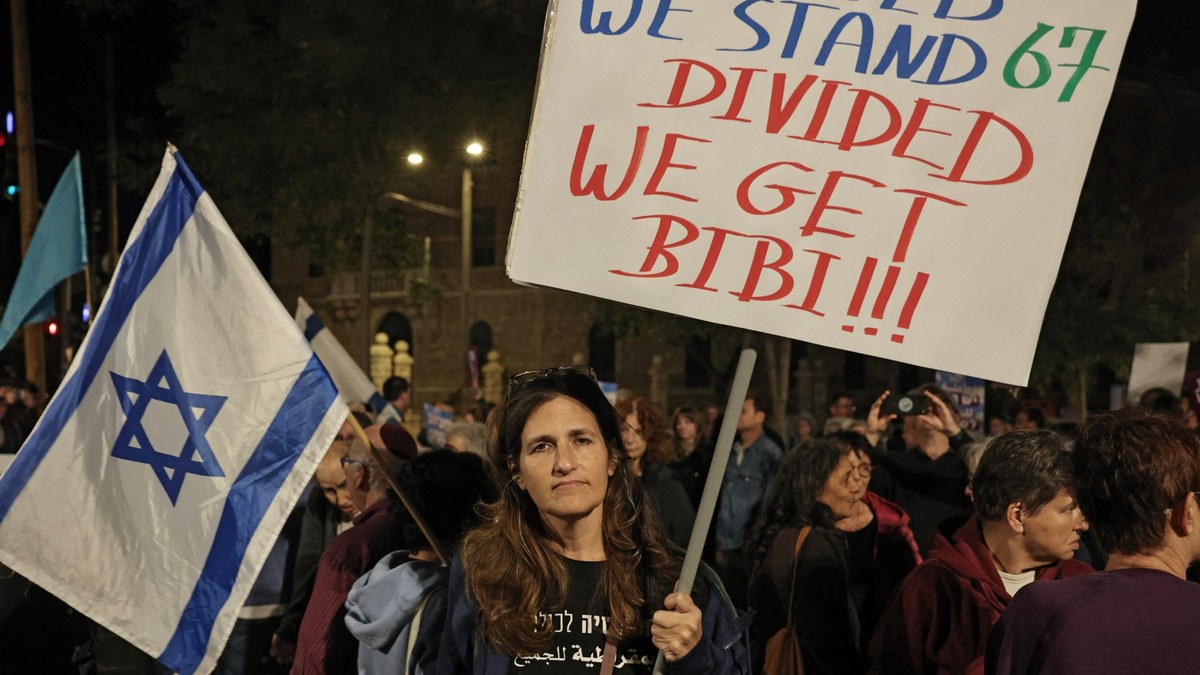
- What happened: Israel’s fractured election result has shifted the decisive question from who won to whether rival blocs, including Arab-led parties, can bridge their divide before a prolonged deadlock sends the country back to the polls.
- Key facts & numbers: Netanyahu's bloc won 53 of 120 seats in the October 27 election—Likud 27, United Torah Judaism 7, Otzma Yehudit 7, Shas 6 and Religious Zionism 6—leaving it eight short of a majority. Joint List won 11 seats and Ra'am eight, giving Arab-led parties 19; the Jewish opposition won 48, so every existing bloc finished below the 61 seats needed to govern alone. Herzog must designate a Knesset member to form a government by November 11, after results are certified by November 4 and the new Knesset is sworn in November 10; the designee has 28 days, extendable by 14.
- What happens next: Both headlines center an election with outsized consequences; the sharper hinge in the text is that 19 Arab-led seats can decide who forms the next government.
- Netanyahu's bloc won 53 of 120 seats in the October 27 election—Likud 27, United Torah Judaism 7, Otzma Yehudit 7, Shas 6 and Religious Zionism 6—leaving it eight short of a majority.
- Joint List won 11 seats and Ra'am eight, giving Arab-led parties 19; the Jewish opposition won 48, so every existing bloc finished below the 61 seats needed to govern alone.
- Herzog must designate a Knesset member to form a government by November 11, after results are certified by November 4 and the new Knesset is sworn in November 10; the designee has 28 days, extendable by 14.
- Eisenkot is one of Herzog's most likely choices to form a government, and Yedioth Ahronoth reported that he has an edge over Netanyahu because some Arab-led parties are considering endorsing him.
Why It Matters
Arab-led parties hold 19 seats and have signaled openness to an opposition government, giving Eisenkot a route that Jewish opposition leaders had previously ruled out. If that bridge fails, the first candidate’s 28-day term plus a 14-day extension can consume 42 days before another candidate is considered, extending Netanyahu’s caretaker tenure.
Sources Cited
Related Coverage
- Difficult negotiations lie ahead in Israel after Netanyahu's bloc lost its parliamentary majorityThe Hindu
- Arab Parties Hold Key to Ousting Netanyahu After GainsAsia Times
- Netanyahu's bloc leading Israel election but short of majority, partial results showBBC World
- Israel Election May Leave No Clear WinnerForeign Policy
Ask SkimNews