Japan, Philippines Form Working Group on Abukuma Destroyer Transfer
The 30-Second Skim
- What happened: Japan and the Philippines launched a joint working group in Manila to explore transferring JMSDF Abukuma-class destroyer escorts to the Philippine Navy, a potential first export of lethal military equipment under Tokyo's revised arms transfer framework.
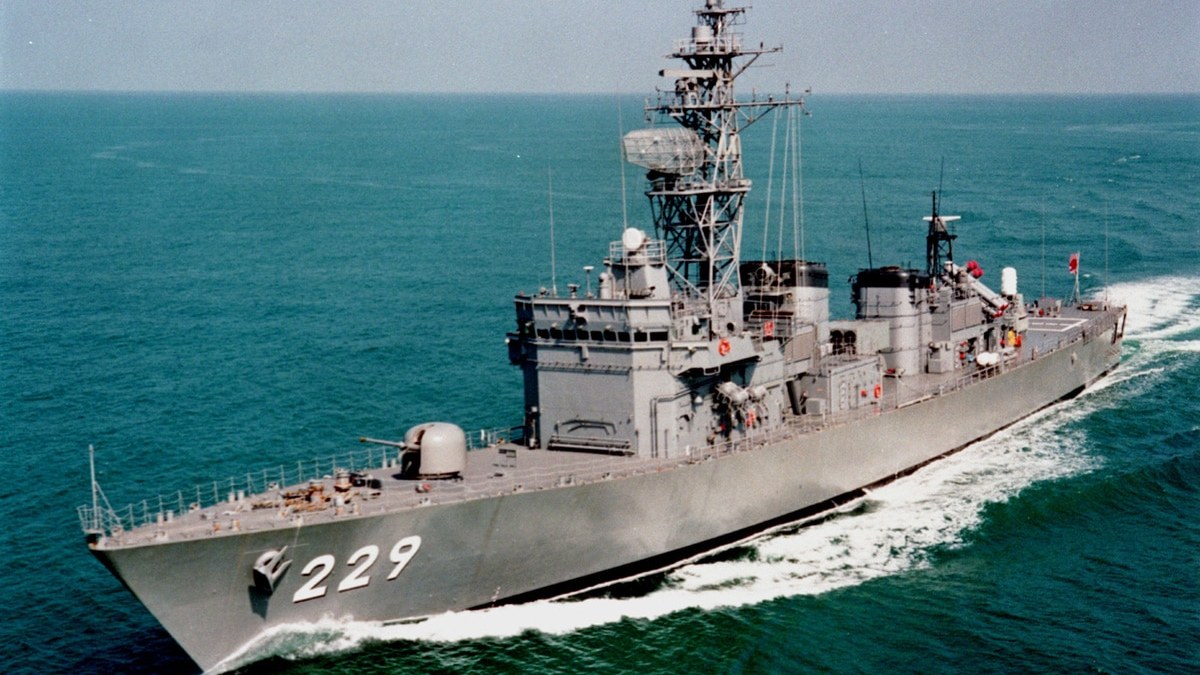
- Key facts & numbers: Japan and the Philippines agreed on May 5 in Manila, following talks between Koizumi Shinjiro and Gilberto Teodoro, to establish a bilateral working group examining the transfer of JMSDF vessels and aircraft, including Abukuma-class destroyer escorts and TC-90 training aircraft. If realized, the Abukuma transfer would mark Japan's first export of lethal military equipment under its revised "Three Principles on Transfer of Defense Equipment and Technology," updated on April 21 to permit such transfers under specific conditions. The Abukuma-class comprises six ships commissioned between 1989 and 1993, displacing roughly 2,000 tons, armed with a 76mm gun, CIWS, Harpoon anti-ship missiles, ASROC rockets, and lightweight torpedoes — capabilities suited to littoral and archipelagic operations.
- What happens next: Buried in the details: the Philippines' 'modern' navy is literally two frigates. The Abukumas are 35-year-old hulls, but in this neighborhood, 2,000 tons of warship is a big deal.
- Japan and the Philippines agreed on May 5 in Manila, following talks between Koizumi Shinjiro and Gilberto Teodoro, to establish a bilateral working group examining the transfer of JMSDF vessels and aircraft, including Abukuma-class destroyer escorts and TC-90 training aircraft.
- If realized, the Abukuma transfer would mark Japan's first export of lethal military equipment under its revised "Three Principles on Transfer of Defense Equipment and Technology," updated on April 21 to permit such transfers under specific conditions.
- The Abukuma-class comprises six ships commissioned between 1989 and 1993, displacing roughly 2,000 tons, armed with a 76mm gun, CIWS, Harpoon anti-ship missiles, ASROC rockets, and lightweight torpedoes — capabilities suited to littoral and archipelagic operations.
- Japanese officials are reportedly weighing a grant-based transfer, with delivery possible as early as 2027, though additional legal arrangements would be required.
Why It Matters
This working group would test whether Japan's post-2014 defense export relaxation produces a first lethal-equipment sale, and the timeline matters: a grant-based Abukuma transfer as early as 2027 could give the Philippine Navy extra hulls years before new-build frigates arrive under Manila's Re-Horizon 3 program, which faces implementation delays and a roughly 2-trillion-peso budget. The deal also locks the Philippines into a second major supplier ecosystem alongside South Korea, complicating fleet sustainment.
Sources Cited
Related Coverage
- Japan, Philippines to discuss information sharing pact to ease arms exportsStraits Times Asia
- Indonesia Eyes JMSDF Asagiri-Class Destroyers as Japan Tailors Warship Transfers to Southeast Asian PartnersNaval News
- Japan, Philippines to Negotiate Military Intelligence PactThe Diplomat
- Japan Fires Missile in US‑Philippines DrillStraits Times Asia
Ask SkimNews