Japan Sends Largest Force to Balikatan Near Taiwan
The 30-Second Skim
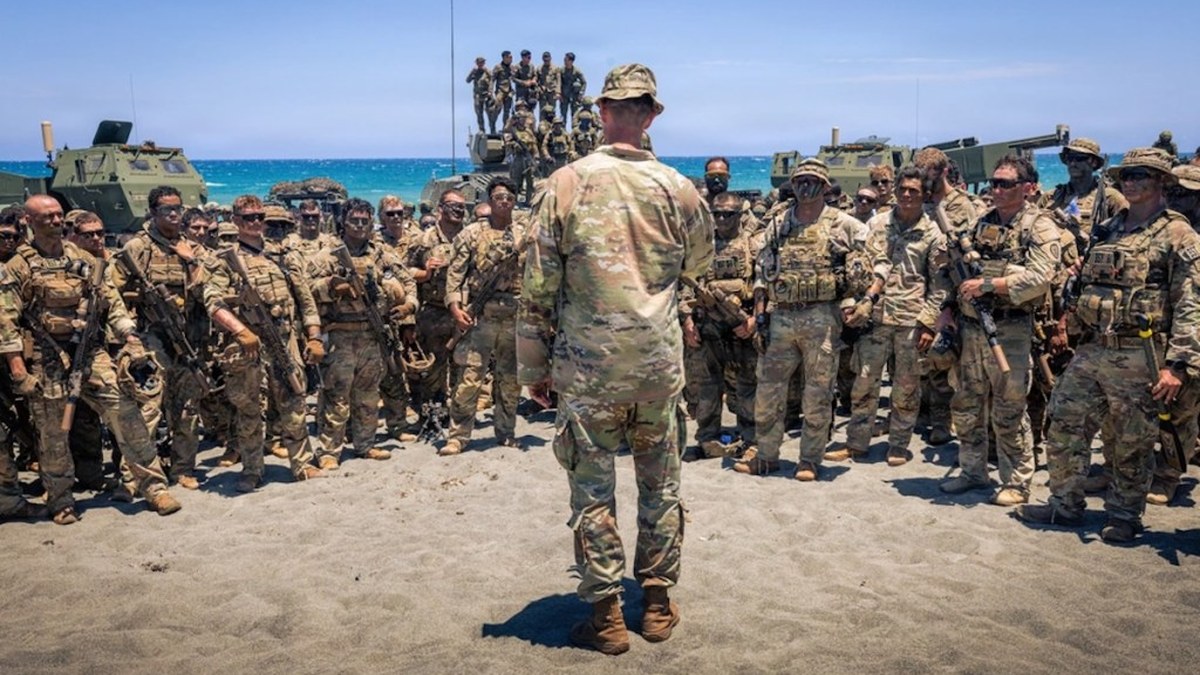
- What happened: Allied forces gathered for the Balikatan exercise in the Philippines, training in the South China Sea and Luzon Strait—key routes the PLA would need to cross in any operation against Taiwan. Japan’s Self‑Defense Force fielded its largest contingent yet, reflecting a shift from heavy US‑dependence to a more balanced regional defence posture. The joint drills sharpen combat readiness while cementing political ties that counter China’s growing assertiveness.
- Key facts & numbers: Balikatan exercise in the Philippines includes troops from the Philippines, United States, Japan, Australia, New Zealand, Canada, and France, conducting real combat training. Luzon Strait and the South China Sea are part of the training area, a corridor the People’s Liberation Army would need to traverse in any move against Taiwan. Japan’s Self‑Defense Force sent a large contingent to the Balikatan exercises, its first major participation in the joint drill.
- What happens next: Japan finally flexes its muscles at Balikatan, showing it’s not just a US sidekick any more.
- Balikatan exercise in the Philippines includes troops from the Philippines, United States, Japan, Australia, New Zealand, Canada, and France, conducting real combat training.
- Luzon Strait and the South China Sea are part of the training area, a corridor the People’s Liberation Army would need to traverse in any move against Taiwan.
- Japan’s Self‑Defense Force sent a large contingent to the Balikatan exercises, its first major participation in the joint drill.
- JSDF’s amphibious force was launched in late 2011 by a small US‑Japan officer team to give Japan amphibious capability and to force inter‑service cooperation among its ground, naval, and air branches.
Why It Matters
The Philippines and its allies gain realistic joint combat experience in a theater that is a potential flashpoint with China, while Japan reduces its reliance on the US, strengthening a more balanced regional deterrence.
Background & Timeline
- Editor context: The multinational Balikatan exercise demonstrates a coordinated regional effort to project deterrence, shifting the burden of maintaining stability from a single hegemon to a collective of concerned nations.
Sources Cited
- Asia Times — Hard and psychological power shown in South China Sea exercise
- South China Morning Post — ‘Brain fry’: heavy AI users report mental burnout as cognitive limits are pushed
- The Diplomat – Asia-Pacific — NATO’s Asia-Pacific Engagement Does Not Impress China
Related Coverage
Ask SkimNews