Japan sets 'extremely high' bar for Gulf warships
The 30-Second Skim
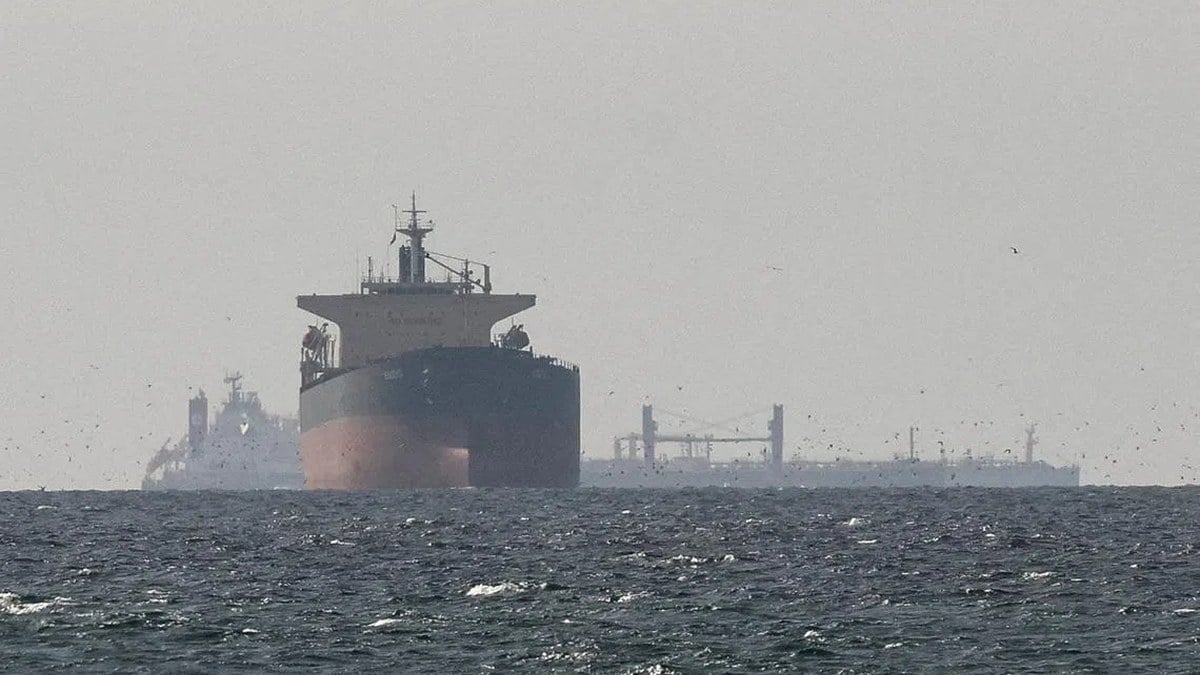
- What happened: Japan's ruling party policy chief declared on March 15 that the legal and political threshold for sending warships to the Gulf is 'extremely high,' pushing back hours after Trump called on allies to reinforce Strait of Hormuz escort operations.
- Key facts & numbers: Takayuki Kobayashi, the Liberal Democratic Party's policy chief, said on NHK on March 15 that the threshold is 'extremely high' for Japan to send warships to the Gulf under existing laws, calling the decision one that 'must be considered with great caution.' Trump called on March 14 for reinforcements from countries including Japan to escort tankers through the Strait of Hormuz, having earlier vowed the US Navy would 'very soon' begin doing so itself. Japan — the world's No. 4 economy and fifth-largest oil importer — gets 95% of its oil from the Middle East, with 70% passing through the Strait of Hormuz, which the source says is 'now effectively closed' after Iran choked it off.
- What happens next: Japan takes 95% of its oil from the Middle East but says the bar for sending warships is 'extremely high.' Subtext: it has no clue what it's signing up for.
- Takayuki Kobayashi, the Liberal Democratic Party's policy chief, said on NHK on March 15 that the threshold is 'extremely high' for Japan to send warships to the Gulf under existing laws, calling the decision one that 'must be considered with great caution.'
- Trump called on March 14 for reinforcements from countries including Japan to escort tankers through the Strait of Hormuz, having earlier vowed the US Navy would 'very soon' begin doing so itself.
- Japan — the world's No. 4 economy and fifth-largest oil importer — gets 95% of its oil from the Middle East, with 70% passing through the Strait of Hormuz, which the source says is 'now effectively closed' after Iran choked it off.
- PM Takaichi told Parliament last week 'nothing has been decided' on dispatching warships and is expected to visit Washington this week to meet Trump, with Asia-Pacific security and the Iran war both on the agenda.
Why It Matters
Japan is signaling it will not automatically follow Trump's call, citing legal and constitutional constraints — even though 70% of its oil transits the Strait of Hormuz. The harder subtext Kobayashi raised is what US troop redeployments from Japanese bases to the Gulf mean for the East Asian security architecture Tokyo relies on.
Sources Cited
- Straits Times Asia — Japan says bar high for sending warships to protect Gulf oil lane
Related Coverage
Ask SkimNews