Japan's Non-Nuclear Principles Face SLCM-N Test
The 30-Second Skim
- What happened: As Japan prepares a new National Security Strategy due at the end of 2026, the US development of a nuclear-armed sea-launched cruise missile (SLCM-N) for attack submarines that regularly visit Japan is forcing Tokyo to confront the longstanding ambiguity in its three non-nuclear principles.
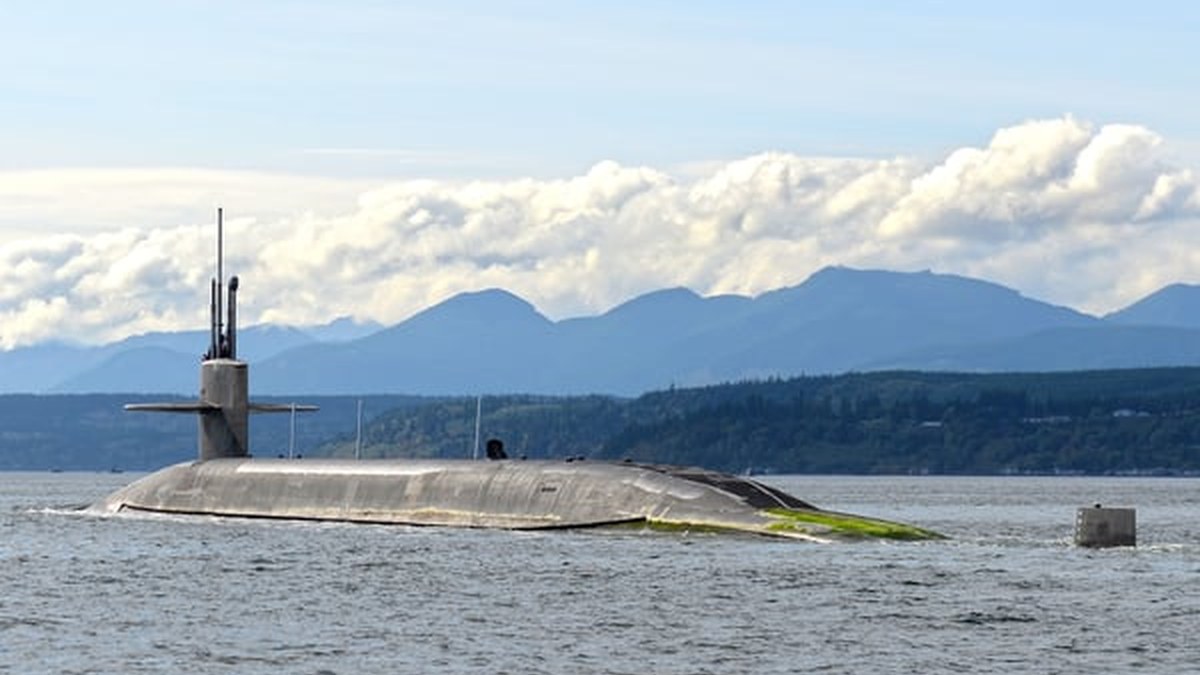
- Key facts & numbers: Japan's three non-nuclear principles — not possessing, producing, or permitting the introduction of nuclear weapons, first articulated by PM Sato Eisaku in 1967 — face renewed debate as PM Takaichi Sanae's government drafts a new National Security Strategy due at the end of 2026. Foreign Minister Okada Katsuya revealed in March 2010 a secret US-Japan "mitsuyaku" showing the allies defined "introduction" differently: Washington counted only permanent deployment ashore, while Tokyo also counted transit and port calls by nuclear-armed vessels. The United States is developing a nuclear-armed sea-launched cruise missile (SLCM-N) expected to reach operational capability in the mid-2030s, a weapon likely to be carried by attack submarines of the kind that regularly visit Japan.
- What happens next: Japan's third non-nuclear principle has run on plausible ambiguity for decades. The SLCM-N-carrying sub ends that — NCND meets a weapon you can't leave at the dock.
- Japan's three non-nuclear principles — not possessing, producing, or permitting the introduction of nuclear weapons, first articulated by PM Sato Eisaku in 1967 — face renewed debate as PM Takaichi Sanae's government drafts a new National Security Strategy due at the end of 2026.
- Foreign Minister Okada Katsuya revealed in March 2010 a secret US-Japan "mitsuyaku" showing the allies defined "introduction" differently: Washington counted only permanent deployment ashore, while Tokyo also counted transit and port calls by nuclear-armed vessels.
- The United States is developing a nuclear-armed sea-launched cruise missile (SLCM-N) expected to reach operational capability in the mid-2030s, a weapon likely to be carried by attack submarines of the kind that regularly visit Japan.
- Under the US "neither confirm nor deny" (NCND) policy, once such submarines can carry SLCM-N, Tokyo will find it difficult to refute allegations that nuclear weapons have been introduced — yet Washington's own definition excludes transit and port visits from introduction.
Why It Matters
Each of Japan's three options carries a distinct political cost: amending the non-introduction principle to permit storage ashore would constitute the first formal acceptance of US nuclear weapons on Japanese territory since 1967, while narrowing Japan's definition to match Washington's would mean publicly abandoning the broader interpretation Tokyo maintained throughout the Cold War. With the SLCM-N not expected operationally until the mid-2030s, Tokyo has roughly a decade to choose.
Sources Cited
- The Diplomat — Whither Japan’s Three Non-Nuclear Principles?
Related Coverage
Ask SkimNews