Modi Faces Protests Over Voter Lists and Jobs
The 30-Second Skim
- What happened: India’s electoral-roll protests are testing Modi’s political strength, but jobs, infrastructure and local economic grievances—along with opposition weakness—will shape the electoral consequences through 2029 and next year’s Uttar Pradesh vote.
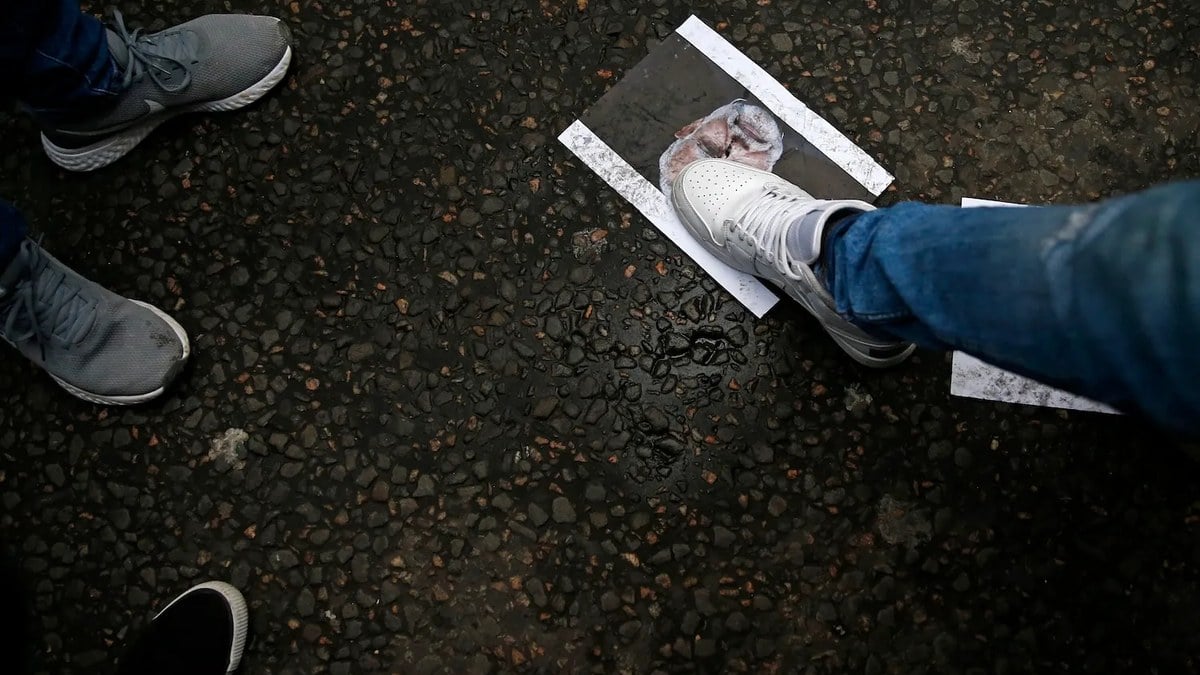
- Key facts & numbers: New Delhi drew thousands of protesters last month over electoral-roll irregularities and alleged fraud; reports claimed more than 130 million voters had been deleted from lists in ways that would benefit BJP. Delhi police locked down major parts of the capital, cut internet access, shut down local trains in key areas and detained thousands, including journalists, during a recent protest. November 1 protest brought thousands from different parts of India to a government-approved alternative protest site, where Congress workers called for the removal of Chief Election Commissioner Gyanesh Kumar.
- What happens next: The twist: shop demolitions have turned Modi loyalists critical, while roads and timely farm payments keep his support alive.
- New Delhi drew thousands of protesters last month over electoral-roll irregularities and alleged fraud; reports claimed more than 130 million voters had been deleted from lists in ways that would benefit BJP.
- Delhi police locked down major parts of the capital, cut internet access, shut down local trains in key areas and detained thousands, including journalists, during a recent protest.
- November 1 protest brought thousands from different parts of India to a government-approved alternative protest site, where Congress workers called for the removal of Chief Election Commissioner Gyanesh Kumar.
- Meerut residents credited Modi-era infrastructure—including a flyover that cut an 80-kilometer trip from over three hours to under two and a fast train reaching Delhi in under an hour—but younger people cited unemployment and demolished shops; about a dozen pro-Modi upper-caste Hindus said BJP was unlikely to win.
Why It Matters
Uttar Pradesh’s state election next year matters because it has the maximum number of constituencies, while national elections fall in 2029. In Meerut, even pro-Modi upper-caste Hindus said BJP was unlikely to win, but they also saw no credible alternative in Rahul Gandhi.
Sources Cited
- Foreign Policy — Is This the Beginning of the End for Modi?
Related Coverage
- Youth protests present a new dilemma for PM Modi and IndiaStraits Times Asia
- Modi's predicament: Gen Z pours out on India's streets as dissent surgesStraits Times Asia
- Protests Escalate in New Delhi Over Voter List ReviewNPR News
- India Protests Demand Election Chief Quit Over Voter RollsStraits Times Asia
Ask SkimNews