Netanyahu Frames Gaza War as Core of Israel Election
The 30-Second Skim
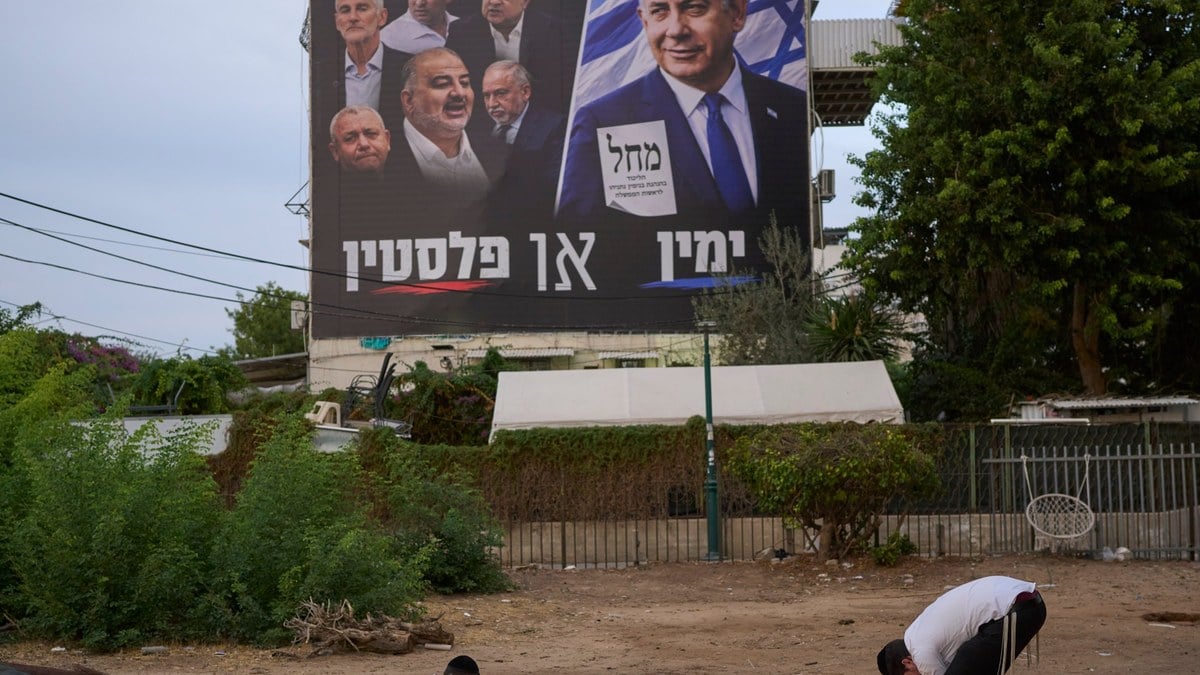
- What happened: With Israel's October 27 election approaching, Prime Minister Netanyahu is framing the Gaza war — now in its third year — as the central security issue, while far-right coalition partners call for expanding the conflict to the West Bank and annexing Gaza entirely.
- Key facts & numbers: Benjamin Netanyahu entered the final month before Israel's October 27 election warning of a pre-vote enemy attack, while polls showed the race as the first general vote since October 7 — when 1,139 people were killed in Israel — to be a stiff test for him. Israeli attacks in Gaza have killed more than 74,000 Palestinians overall and nearly 1,500 since last year's "ceasefire," according to the article, which frames the war's continuation as a consensus position across the Israeli political spectrum. Bezalel Smotrich and his electoral ally Moshe Feiglin publicly called for the army to "do in the West Bank what we did in Gaza" and for annexation of Gaza, arguing "the enemy is Gaza, not Hamas."
- What happens next: The article's most damning line: analysts say this election isn't about whether to protect Palestinian life but who can promise to erase it most aggressively.
- Benjamin Netanyahu entered the final month before Israel's October 27 election warning of a pre-vote enemy attack, while polls showed the race as the first general vote since October 7 — when 1,139 people were killed in Israel — to be a stiff test for him.
- Israeli attacks in Gaza have killed more than 74,000 Palestinians overall and nearly 1,500 since last year's "ceasefire," according to the article, which frames the war's continuation as a consensus position across the Israeli political spectrum.
- Bezalel Smotrich and his electoral ally Moshe Feiglin publicly called for the army to "do in the West Bank what we did in Gaza" and for annexation of Gaza, arguing "the enemy is Gaza, not Hamas."
- Netanyahu received two separate pre-October 7 warnings of the assault from Egypt's intelligence chief Abbas Kamel and UAE President Sheikh Mohamed bin Zayed Al Nahyan — a fact his rivals cite to call him "unfit," though polls show little movement.
Why It Matters
The October 27 vote is the first Israeli election since October 7, and analysts quoted in the article say it will likely entrench rather than reverse the rightward political shift the war accelerated — with figures like Smotrich and Ben-Gvir now legitimized as coalition partners. With nearly 1,500 Palestinians killed since the declared ceasefire and officials openly invoking the biblical "Greater Israel" vision, the election is shaping policy on Palestinian displacement, West Bank escalation, and Gaza's future rather than offering a referendum on the war's conduct.
Sources Cited
Related Coverage
Ask SkimNews