U.S.-Israeli War Plans Risk U.S. Leadership in Mideast
The 30-Second Skim
- What happened: U.S. and Israeli plans for a new military campaign against Iran risk undermining American leadership in the Middle East, as regional actors increasingly seek diplomatic solutions amid escalating tensions and Houthi advances.
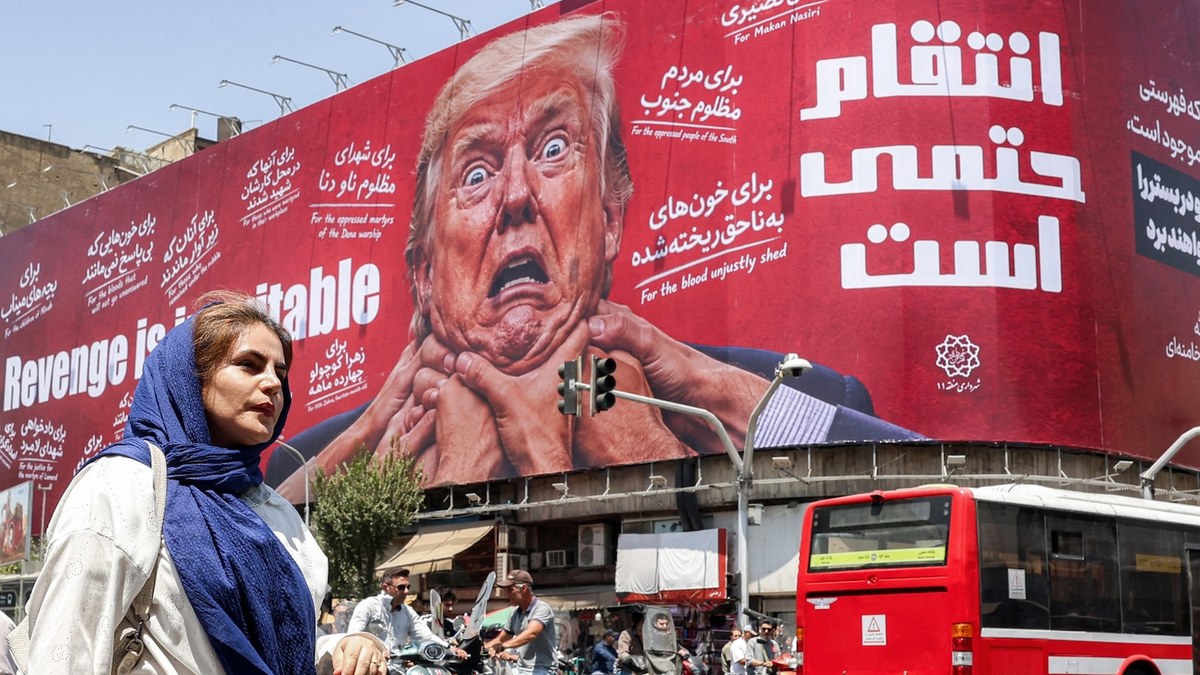
- Key facts & numbers: Netanyahu will remain prime minister after the Israeli election, and continues pushing for a new U.S.-Israeli war with Iran, raising regional conflict prospects. Trump administration officials have reportedly advised allies to expect a military campaign against Iran after the U.S. midterm elections on Nov. 3. Iran is prepared for renewed U.S. strikes and views the conflict as ongoing, expecting to survive and potentially benefit from another round of attacks.
- What happens next: While DC talks war, Gulf states are quietly courting Tehran—because they’re the ones living with the fallout. The real story’s in the Mecca Pact delegation’s visit to Iran.
- Netanyahu will remain prime minister after the Israeli election, and continues pushing for a new U.S.-Israeli war with Iran, raising regional conflict prospects.
- Trump administration officials have reportedly advised allies to expect a military campaign against Iran after the U.S. midterm elections on Nov. 3.
- Iran is prepared for renewed U.S. strikes and views the conflict as ongoing, expecting to survive and potentially benefit from another round of attacks.
- Gulf states including Bahrain, Kuwait, and Qatar face existential risks from Strait of Hormuz instability, with no alternative shipping routes available.
Why It Matters
The U.S. risks losing influence in the Middle East as Gulf states, facing real economic and security threats from prolonged conflict, prioritize diplomacy with Iran over American-led military escalation. This shift undermines Washington’s strategic authority while strengthening Iran’s position in regional negotiations.
Sources Cited
Related Coverage
Ask SkimNews