North Korea’s Five‑Year Plan Defies UN Sanctions
The 30-Second Skim
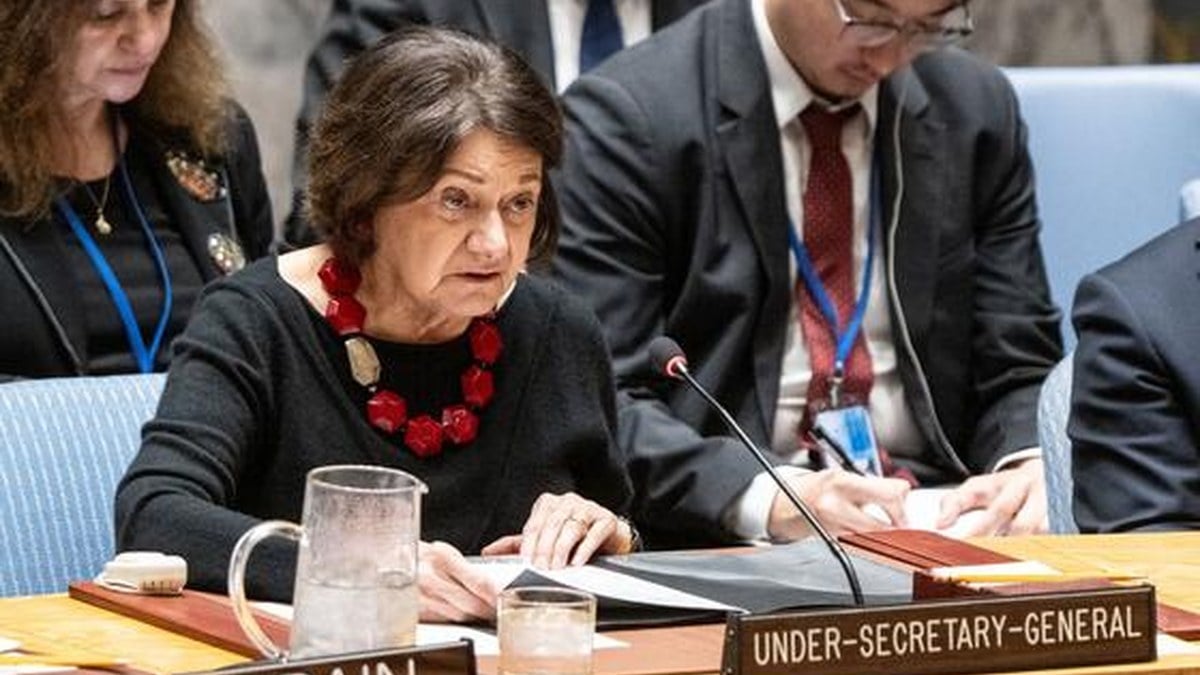
- What happened: UN political affairs chief Rosemary DiCarlo told the Security Council that North Korea’s new five‑year military development plan and recent missile launches breach multiple resolutions, while IAEA chief Rafael Grossi warned of a surge in fissile material production at Yongbyon. Evidence of sanction‑evasion shipments presented by Open Source Centre CEO James Byrne and Russia’s 2024 veto of a monitoring panel highlight the growing enforcement gap and the risk of unchecked weapons growth.
- Key facts & numbers: North Korea launched a five‑year military development plan in February 2026, reaffirming its commitment to expand nuclear and ballistic missile capabilities. Rosemary DiCarlo warned the UN Security Council that DPRK’s actions violate resolutions 1718 (2006), 2371 (2017) and 2397 (2017) and urged full compliance with international obligations. Rafael Grossi warned of a “very serious increase” in fissile material production at the Yongbyon nuclear site, indicating accelerated weapons‑grade material output.
- What happens next: North Korea’s new five‑year war plan is slipping past UN sanctions, and even Russia’s veto is letting them keep building secret arsenals.
- North Korea launched a five‑year military development plan in February 2026, reaffirming its commitment to expand nuclear and ballistic missile capabilities.
- Rosemary DiCarlo warned the UN Security Council that DPRK’s actions violate resolutions 1718 (2006), 2371 (2017) and 2397 (2017) and urged full compliance with international obligations.
- Rafael Grossi warned of a “very serious increase” in fissile material production at the Yongbyon nuclear site, indicating accelerated weapons‑grade material output.
- James Byrne presented satellite evidence showing vessels loading prohibited cargo in North Korea, suggesting a systematic pattern of sanctions violations.
Why It Matters
Allied nations lose leverage as Russia’s 2024 veto stalls sanctions, while DPRK’s February 2026 five‑year plan accelerates its weapons program, raising regional defense spending and prompting neighboring states to boost military budgets.
Sources Cited
Related Coverage
Ask SkimNews