Trump's Nvidia move shifts chip enforcement to Asian allies
The 30-Second Skim
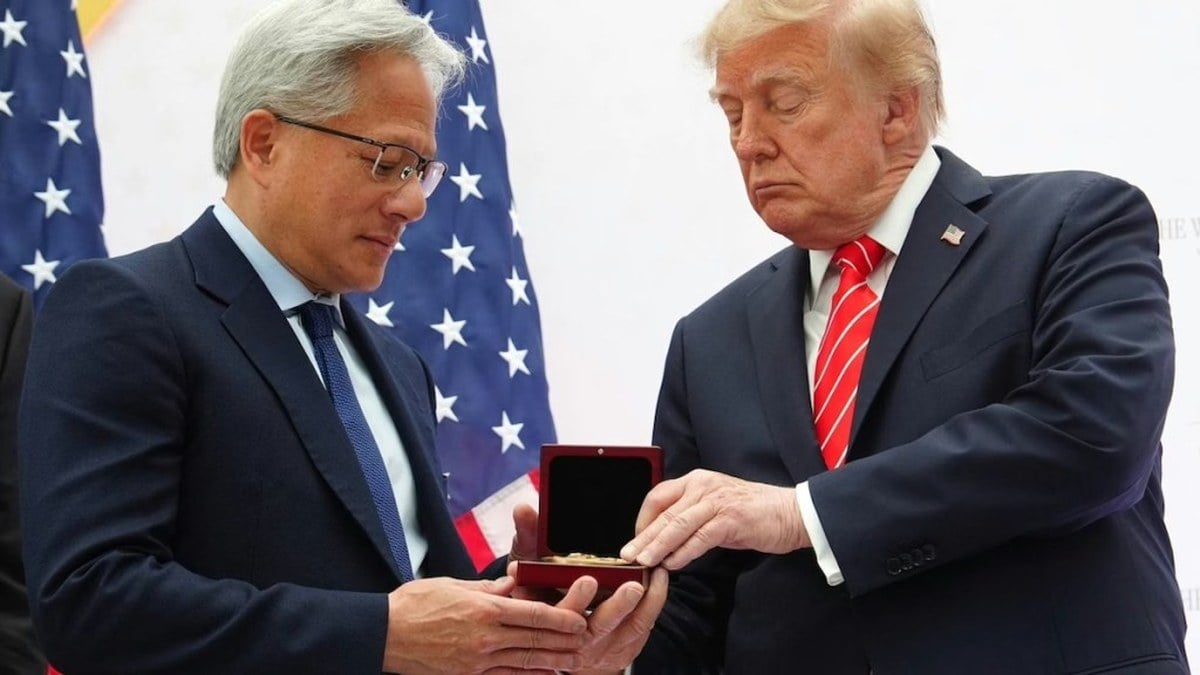
- What happened: Nvidia's board reinstated Jensen Huang as chief executive less than two weeks after he resigned over ties to Alice Huang, head of Singapore-registered Megaspeed, now under U.S. criminal investigation for alleged chip diversion to China. Trump claimed credit for the comeback.
- Key facts & numbers: Commerce Department rules issued a week before Huang's return require case-by-case licenses for advanced AI chips shipped to Singapore, Malaysia, Indonesia and Thailand, and give data centers worldwide 90 days to seek approval if they serve Chinese clients at scale.
- What happens next: Trump restored Huang before Congress could question him; the 90-day licensing window for data centers serving Chinese clients is running, Malaysia's trade ministry is probing Megaspeed's local unit, and Singapore's chip-diversion prosecutions continue.
Why It Matters
The asymmetry is deliberate: Singapore has charged five individuals and six companies and frozen about 55 million Singapore dollars, Malaysia has required export permits since July 2025, and Washington still exempts American cloud giants through reporting carve-outs. Meanwhile a Super Micro co-founder faces charges over $2.5 billion in servers routed through Southeast Asian middlemen — a domestic enforcement gap that undercuts Washington's demand that partners police the same trade ring.
Demand is also state-directed rather than incidental: planners anticipate 4 trillion yuan in new computing investment and Reuters found over 23 billion yuan in projects built around restricted Nvidia chips. With Alibaba serving as Megaspeed's anchor customer and Chinese buyers openly purchasing H200s, tighter licensing at the margin displaces routing rather than curbing it.
How Outlets Are Framing It
- Washington Examiner (Jane Li op-ed): Frames the reinstatement as a double standard — Trump's personal intervention for an executive with ties to a Chinese security officer, paired with fresh licensing burdens for Singapore, Malaysia, Indonesia and Thailand, calling the regime political theater.
- Asia Times: Reframes the same news as a market event, headlining Nvidia shares gaining up to $15 million in a single day — an investor lens the enforcement-focused commentary leaves out.
- CBC World: Treats the move as unfinished business, titling the reinstatement story around questions that "won't end," the accountability lens that converges with the op-ed's concern about unresolved security questions.
Background & Timeline
- June 2025: Nvidia placed Megaspeed on an internal no-sell list; the same team resurfaced as Novagate Cloud, which took delivery of at least $300 million in Nvidia-equipped hardware in Malaysia in the first five months of this year, according to The Wall Street Journal.
- March 2026: Federal prosecutors charged a Super Micro co-founder with routing roughly $2.5 billion in Nvidia-equipped servers to China through Southeast Asian middlemen, exposing a supply chain that starts inside an American company.
- July 2025: Malaysia began requiring export and transshipment permits for advanced AI chips and opened a trade ministry investigation into Megaspeed's local unit, building the enforcement load Washington now expects partners to carry.