US-Iran deal: Pakistan's diplomatic masterstroke?
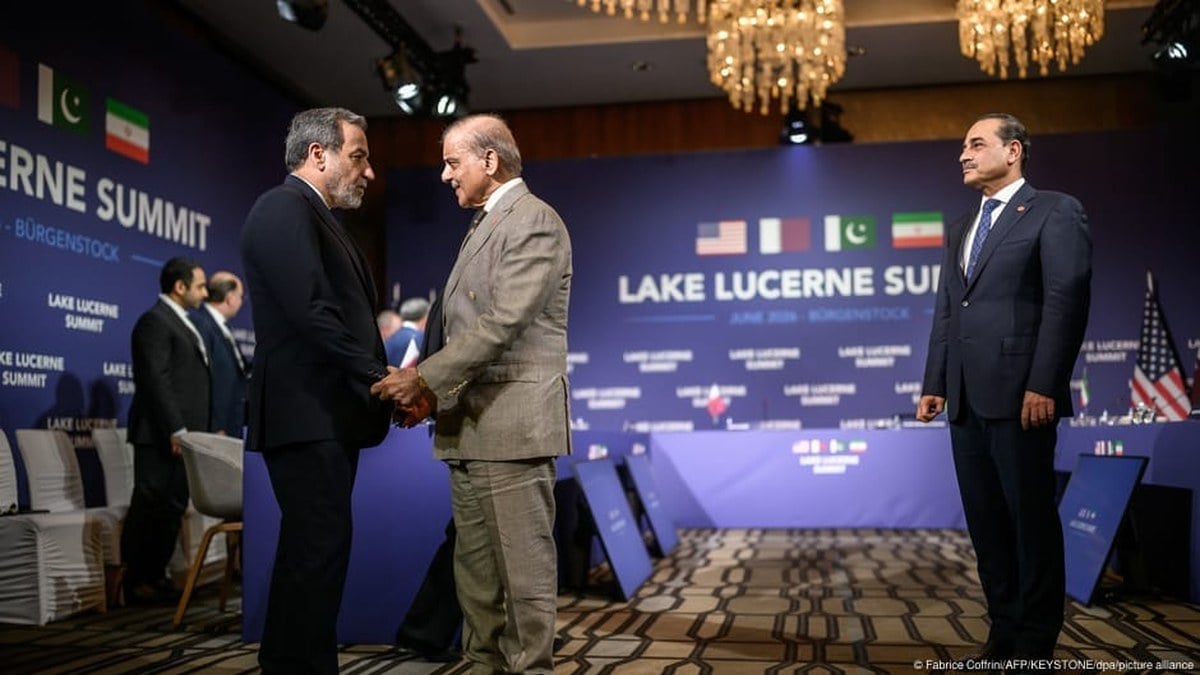
The 30-Second Skim
- What happened: Pakistan brokered the US-Iran deal through intensive shuttle diplomacy, with army chief Asim Munir personally winning rare praise from both President Trump and Vice President Vance.
- Key facts & numbers: Pakistan initiated the mediation push when army chief Asim Munir and PM Shehbaz Sharif both visited Iran in May 2025, weeks before the US-Israel conflict that ended with US strikes on Iran's nuclear facilities. Asim Munir earned repeated praise from Donald Trump, who called him "my favorite field marshal," and from VP JD Vance, who said "We would not have been here without his statesmanship and military leadership." Pakistan hosted VP JD Vance and Iran's Parliamentary Speaker Mohammad Bagher Qalibaf for marathon negotiations on April 11, after announcing the initial US-Iran ceasefire in early April.
- What happens next: Vance compared Munir to his Indian-immigrant wife. The buried story: China quietly enabled the whole mediation via its economic grip on Iran.
- Pakistan initiated the mediation push when army chief Asim Munir and PM Shehbaz Sharif both visited Iran in May 2025, weeks before the US-Israel conflict that ended with US strikes on Iran's nuclear facilities.
- Asim Munir earned repeated praise from Donald Trump, who called him "my favorite field marshal," and from VP JD Vance, who said "We would not have been here without his statesmanship and military leadership."
- Pakistan hosted VP JD Vance and Iran's Parliamentary Speaker Mohammad Bagher Qalibaf for marathon negotiations on April 11, after announcing the initial US-Iran ceasefire in early April.
- China formally signed on to the Pakistan-led peace process after FM Ishaq Dar visited Beijing, with Atlantic Council analyst Michael Kugelman noting Beijing's economic leverage over Iran made Iranian buy-in possible.
Why It Matters
Pakistan's role demonstrates how a middle power with multi-axis relationships — Tehran, Washington, Beijing, and the Gulf — can broker deals the principals themselves could not, though the deal's durability depends on continued willingness from the US and Iran to negotiate. Pakistan's own border with Iran and dependence on Gulf shipping gave it direct stakes in preventing escalation.
Sources Cited
Related Coverage
Ask SkimNews