‘ASEAN’s gift to the world’: Hormuz crisis sharpens Philippines push for South China Sea code
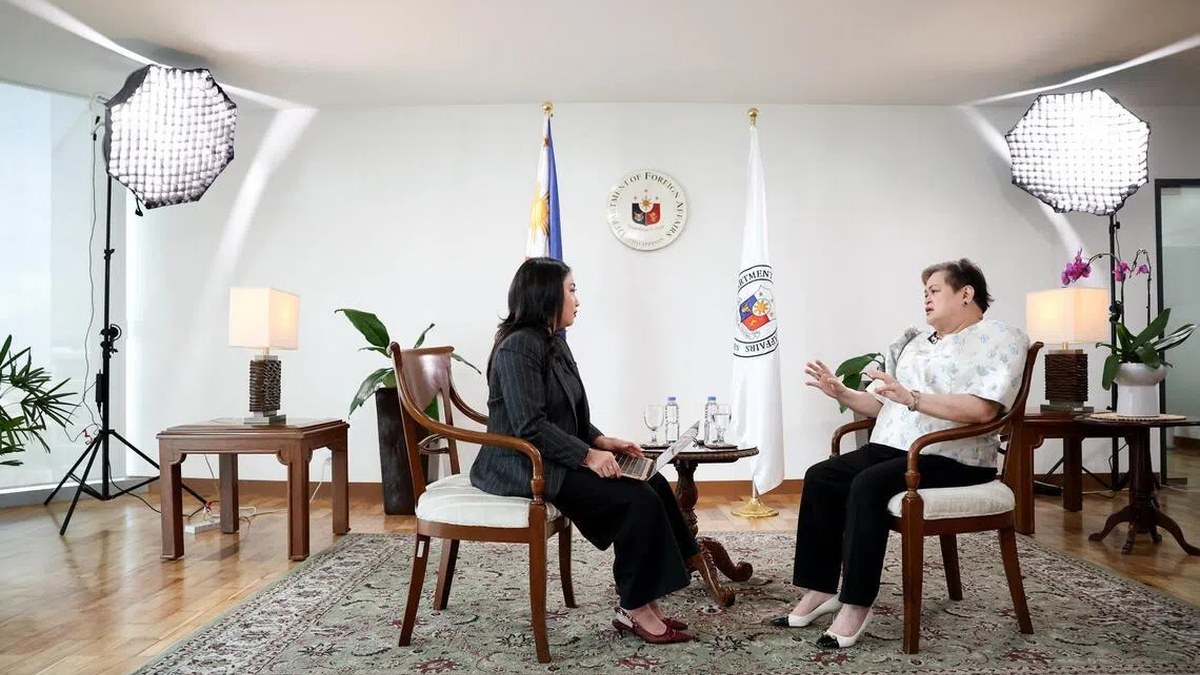
The 30-Second Skim
- What happened: Philippine Foreign Secretary Maria Theresa Lazaro told The Straits Times that finalizing the South China Sea Code of Conduct is 'ASEAN's gift to the world,' invoking the Strait of Hormuz crisis to underscore why maritime cooperation matters beyond the region.
- Key facts & numbers: Maria Theresa Lazaro said completing the South China Sea Code of Conduct would be 'ASEAN's gift to the world,' explicitly drawing parallels to the Strait of Hormuz crisis to stress the dangers of maritime choke points beyond ASEAN's control. The Philippines has set a target of concluding the COC in 2026 during its ASEAN chairmanship, with negotiators now meeting monthly — a pace Lazaro said 'has not been done in the past' after more than two decades of talks. Four core issues remain unresolved: whether the agreement will be legally binding, its geographic scope, its connection to the 2002 Declaration on the Conduct of Parties, and the terms of reference.
- What happens next: Lazaro pitched the COC as 'ASEAN's gift to the world.' Buried detail: after 20+ years of talks, 'self-restraint' still has no agreed definition.
- Maria Theresa Lazaro said completing the South China Sea Code of Conduct would be 'ASEAN's gift to the world,' explicitly drawing parallels to the Strait of Hormuz crisis to stress the dangers of maritime choke points beyond ASEAN's control.
- The Philippines has set a target of concluding the COC in 2026 during its ASEAN chairmanship, with negotiators now meeting monthly — a pace Lazaro said 'has not been done in the past' after more than two decades of talks.
- Four core issues remain unresolved: whether the agreement will be legally binding, its geographic scope, its connection to the 2002 Declaration on the Conduct of Parties, and the terms of reference.
- The definition of 'self-restraint' in the COC still has not been resolved after nearly a decade of negotiations, per Lazaro's remarks at a Washington forum earlier in June.
Why It Matters
The Philippines is betting its ASEAN chairmanship legacy on a binding South China Sea code by December 2026, but with four core provisions still contested and a diplomatic-deterrence split inside Manila's own cabinet, the timeline remains aspirational. The Hormuz shock added political momentum but did not close the gaps — analysts quoted in the article doubt APSA's voluntary fuel-sharing scheme would meaningfully harden ASEAN against the next energy crisis.
Sources Cited
Related Coverage
Ask SkimNews