Progressive Democrats Push Diplomacy-First China Policy
The 30-Second Skim
- What happened: Progressive Democrats' midterm primary wins are pushing the party toward a diplomacy-first China policy that challenges bipartisan competition framing, with figures like AOC and Sanders championing restraint and congressional checks on presidential tariff power.
- Key facts & numbers: Analilia Mejia, Abdul El-Sayed, and Peggy Flanagan are among progressive candidates sweeping Democratic primaries ahead of midterms, with the Israel-Palestine conflict emerging as the party's defining foreign policy litmus test against AIPAC-backed moderates. Alexandria Ocasio-Cortez at this year's Munich Security Conference argued the United States and China should "never get to that point" of military confrontation, articulating a diplomacy-first alternative to centrist Democrats' competition-based Taiwan policy. House Democrats in July voted to support cutting $3.3 billion in US aid to Israel — a shift the article notes would have been difficult to imagine ten years ago — as evidence of progressives' growing leverage on foreign policy.
- What happens next: The quiet argument: progressives want to test their foreign policy ideas on China first because opposing Israel draws more intra-party fire. Watch the trade bills, not the Gaza votes.
- Analilia Mejia, Abdul El-Sayed, and Peggy Flanagan are among progressive candidates sweeping Democratic primaries ahead of midterms, with the Israel-Palestine conflict emerging as the party's defining foreign policy litmus test against AIPAC-backed moderates.
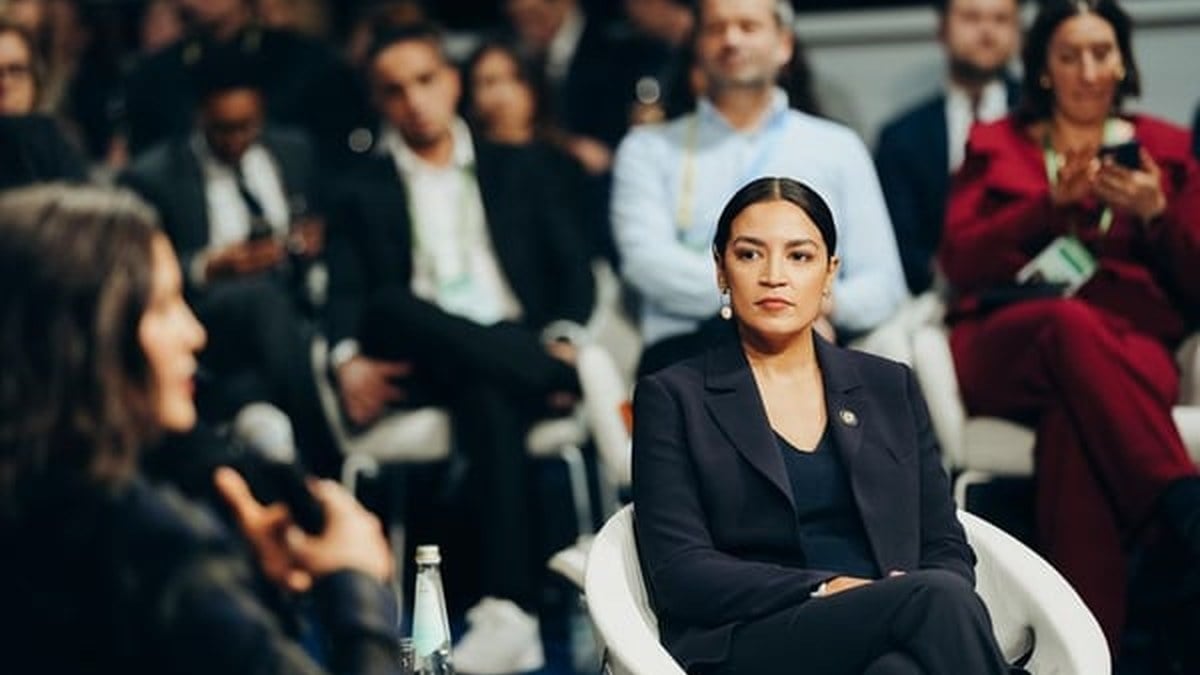
- Alexandria Ocasio-Cortez at this year's Munich Security Conference argued the United States and China should "never get to that point" of military confrontation, articulating a diplomacy-first alternative to centrist Democrats' competition-based Taiwan policy.
- House Democrats in July voted to support cutting $3.3 billion in US aid to Israel — a shift the article notes would have been difficult to imagine ten years ago — as evidence of progressives' growing leverage on foreign policy.
- Donald Trump has escalated tariffs on China from 145 percent "Liberation Day" tariffs in 2025 to 12.5 percent on Chinese imports, with Congress imposing little meaningful constraint on his trade authority.
Why It Matters
Per the article, progressives see China as a less politically radioactive issue than Israel, giving the left room to reshape US economic statecraft through bills like Wyden's Congressional Trade Powers Reform Act of 2026 — which would directly curb Trump's tariff authority and put Congress in the driver's seat on trade policy toward Beijing.
Sources Cited
Related Coverage
Ask SkimNews