Putin warns West on Kaliningrad amid NATO tensions
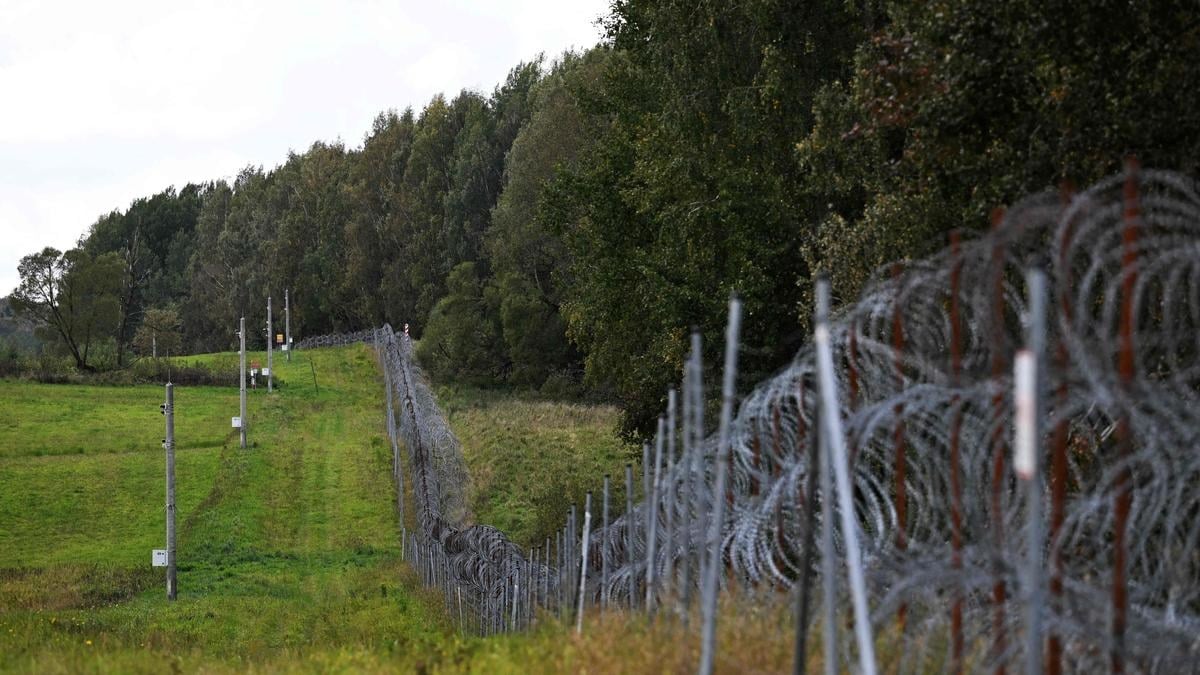
The 30-Second Skim
- What happened: Russian President Vladimir Putin issued a stark warning to the West, stating that any direct attack on Russia would trigger an immediate response, including the use of all available weapons, with specific reference to the Kaliningrad exclave. The remarks follow increased NATO military activity near Russia’s western borders.
- Key facts & numbers: On October 1, 2026, Putin spoke at the Valdai Discussion Club in Moscow. NATO has rejected Russian claims of aggressive intent, with spokesperson Allison Hart confirming a formal response to a Russian diplomatic note over perceived isolation of Kaliningrad.
- What happens next: The situation remains tense as NATO maintains its defensive posture, while Russia continues to frame Western military exercises as provocative. No immediate diplomatic talks or de-escalation measures are announced.
Why It Matters
The renewed focus on Kaliningrad elevates the strategic stakes in the Baltic region, where NATO’s enhanced presence is now framed by Russia as a direct threat. This could pressure alliance members to clarify their deterrence posture, particularly regarding nuclear thresholds and rapid-response commitments.
For European security planners, the risk of miscalculation in a confined, high-military-traffic zone like the Baltic Sea grows. Russia’s emphasis on Kaliningrad—a nuclear-capable enclave surrounded by NATO members—raises the cost of any future crisis, potentially forcing preemptive diplomatic coordination among Baltic states, Poland, and Germany.
How Outlets Are Framing It
- Russian state narrative (implied in Putin's speech): Frames NATO’s Baltic military activities as aggressive encirclement, justifying Russia’s nuclear-capable posture in Kaliningrad as defensive and proportionate.
- NATO public stance (via spokesperson): Emphasizes the alliance’s defensive nature, rejects Russian accusations, and positions Russia’s nuclear rhetoric as destabilizing and disproportionate.
- Geopolitical security lens (source text): Surfaces the overlooked risk of escalation in a geographically constrained flashpoint—Kaliningrad—where routine NATO exercises could be misread as prelude to conflict.
Background & Timeline
- October 1, 2026: Putin delivers warning at Valdai Discussion Club, explicitly linking Kaliningrad to Russia’s nuclear response doctrine amid NATO military activity.
- Prior months to October 2026: NATO increases military exercises in the Baltic Sea region, which Russia interprets as escalating pressure on Kaliningrad, prompting formal diplomatic protest.
Sources Cited
- The Hindu — Kaliningrad: Why Russia’s Baltic exclave is a new flashpoint
- Reuters — Why Russia's Kaliningrad exclave is a potential flashpoint with NATO
- EL PAÍS English — Kaliningrad, the Russian militarized exclave surrounded by NATO that triggered Putin’s nuclear threat
- Global Banking & Finance Review — Why Kaliningrad Is a Potential NATO Flashpoint Amid Russia Tensions
- Business Standard — Russia-Nato tensions: Why Kaliningrad matters and may become a flashpoint
- ClearIAS — Kaliningrad: The Flashpoint in the Baltic
Related Coverage
Ask SkimNews