Quad's rare earth strategy hits Myanmar's KIO governance gap
The 30-Second Skim
- What happened: The Quad's push to break China's heavy rare earth grip runs into a governance gap: in Myanmar's Kachin State, the critical minerals are controlled by the rebel KIO, not the military junta, forcing the alliance to redefine what counts as a 'trusted' supplier.
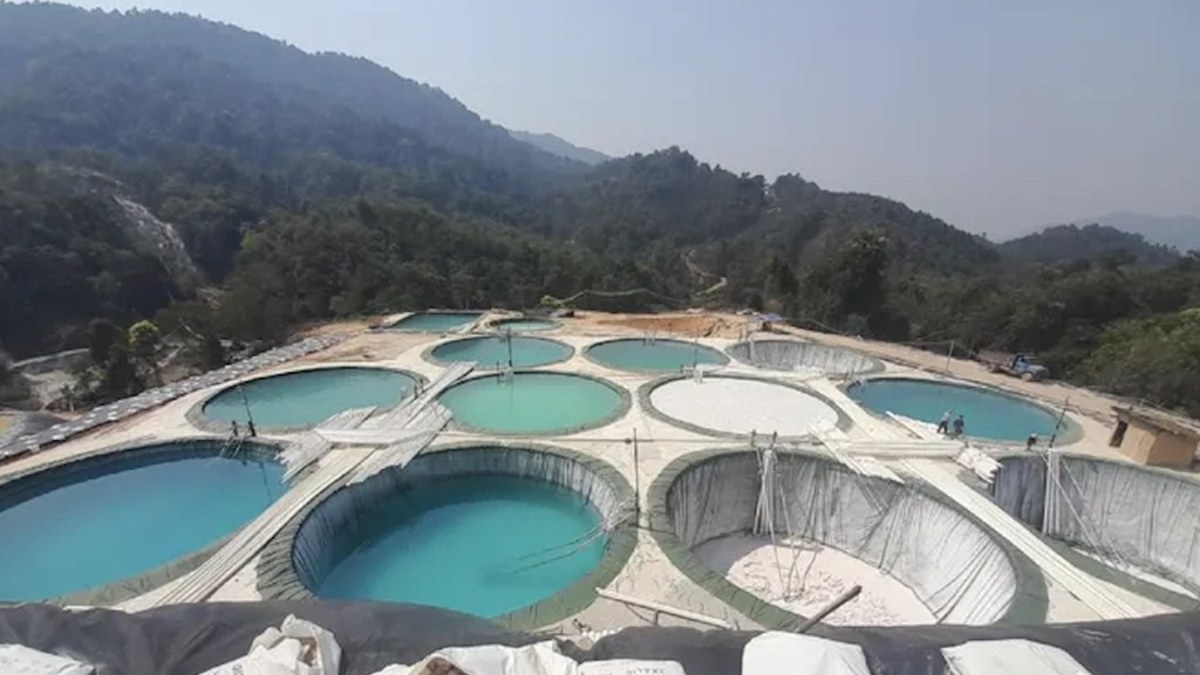
- Key facts & numbers: The Quad — US, India, Japan and Australia — is accelerating its critical mineral de-risking strategy from China, with northern Myanmar's Kachin State identified as the most volatile link in the supply chain. China's leverage is anchored not in ownership of Myanmar's mines but in its near-monopoly on downstream HREE processing: solvent extraction plants, metallization and magnet production. Dysprosium and terbium in Kachin are extracted from territories administered by the rebel Kachin Independence Organization (KIO), not Myanmar's State Administration Council, creating a mismatch between mineral location and recognized sovereignty.
- What happens next: China's real lever isn't the mines — it's the solvent extraction plants. Quad can source from Kachin all day and still need Beijing to process it.
- The Quad — US, India, Japan and Australia — is accelerating its critical mineral de-risking strategy from China, with northern Myanmar's Kachin State identified as the most volatile link in the supply chain.
- China's leverage is anchored not in ownership of Myanmar's mines but in its near-monopoly on downstream HREE processing: solvent extraction plants, metallization and magnet production.
- Dysprosium and terbium in Kachin are extracted from territories administered by the rebel Kachin Independence Organization (KIO), not Myanmar's State Administration Council, creating a mismatch between mineral location and recognized sovereignty.
- India holds the most delicate Quad position, managing a 1,600-km border while pursuing its National Critical Mineral Mission, with a theoretical path to dilute China's monopsony by expanding processing hubs in Assam.
Why It Matters
Without domestic HREE separation and metallization capacity built across Quad economies, the alliance remains structurally dependent on Chinese refining regardless of upstream diversification efforts in Myanmar. The KIO governance challenge also means the Quad cannot credibly define 'trusted supply chains' purely through state-to-state frameworks if it wants sustained access to dysprosium and terbium for high-temperature permanent magnets.
Sources Cited
- Asia Times — Quad needs to break China’s rare earth hold on Myanmar
- ThinkChina — What the US–Australia rare earth deal means for China
- Congresswoman Young Kim (.gov) — Young Kim Holds Hearing on Breaking China’s Chokehold on Critical Mineral Supply Chains
- Lowy Institute — Trump wants our rare earths minerals, but we should keep selling to China too
- ORF Middle East — Challenges to Breaking China’s Critical Minerals Grip
Related Coverage
Ask SkimNews