Restored wells bring life back to Hebron’s occupied Old City
The 30-Second Skim
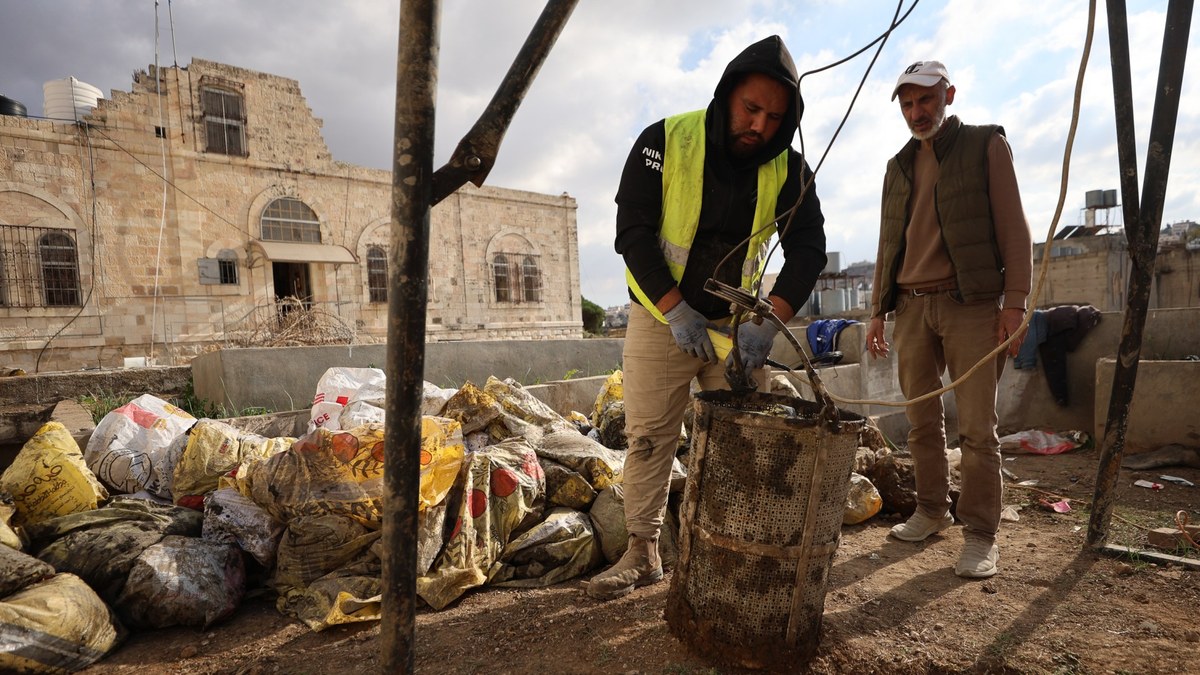
- What happened: In Hebron’s occupied Old City, the Hebron Rehabilitation Committee has restored 108 abandoned wells, expanding reliable water access for Palestinian families and schools while strengthening efforts to preserve the historic neighborhood amid settler and military pressure.
- Key facts & numbers: Hebron Rehabilitation Committee launched the well-restoration project in July last year after two years of monitoring water shortages; more than 70 households registered neglected wells in the first days, and about 215 have registered since. Hebron Rehabilitation Committee restored 108 wells and aims to complete work on the remaining registered wells next year. International Committee of the Red Cross cooperated on the restoration of around 40 wells in closed areas where Israeli military control and movement restrictions make tanker access difficult.
- What happens next: Buried in the water story: 108 restored wells are a residency defense as Jewish outposts in Hebron’s Old City climbed from four to 12.
- Hebron Rehabilitation Committee launched the well-restoration project in July last year after two years of monitoring water shortages; more than 70 households registered neglected wells in the first days, and about 215 have registered since.
- Hebron Rehabilitation Committee restored 108 wells and aims to complete work on the remaining registered wells next year.
- International Committee of the Red Cross cooperated on the restoration of around 40 wells in closed areas where Israeli military control and movement restrictions make tanker access difficult.
- Al-Jazaer Basic Boys’ School now has steady water for 136 students and staff after a well on its grounds was restored; the principal estimates its capacity at 400–500 cubic metres and expects it to reduce reliance on external deliveries.
Why It Matters
Palestinian households and institutions gain a more dependable supply: 108 wells have been restored, including about 40 in military-closed areas, while a school with 136 students now uses a 400–500 cubic-metre well. With tanker access constrained and settlement outposts at 12, the restored capacity directly supports schooling and residents’ ability to remain.
Sources Cited
Related Coverage
Ask SkimNews