Russia offers to mediate US-Iran talks but faces skepticism
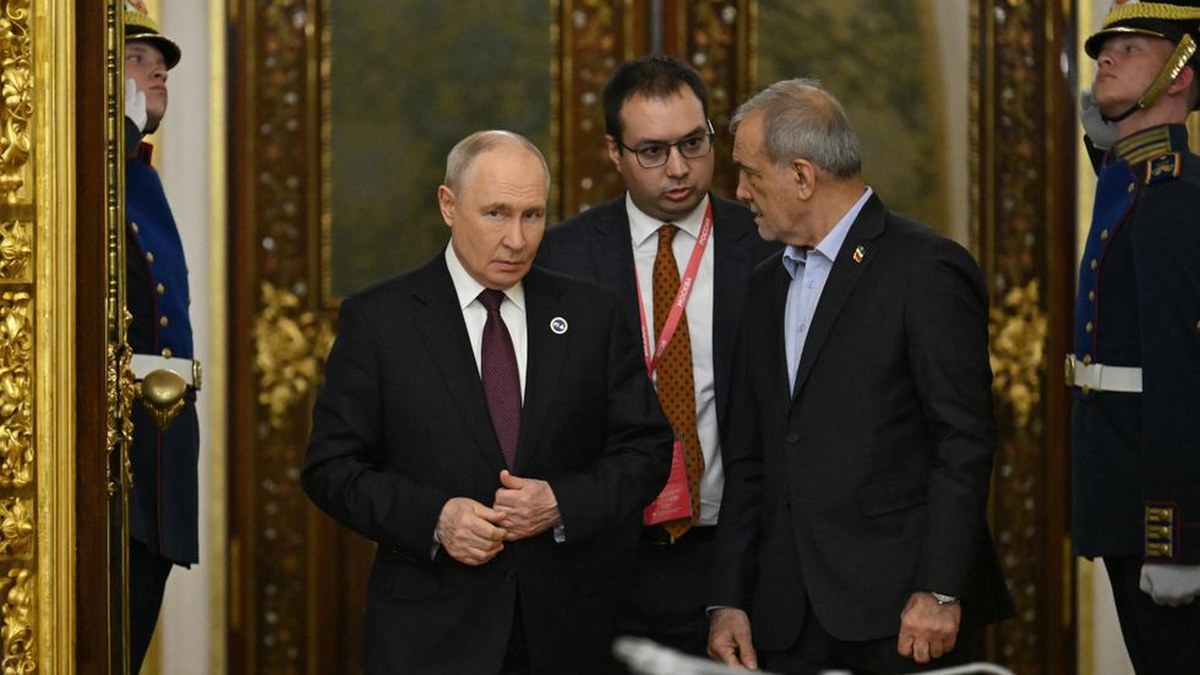
The 30-Second Skim
- What happened: Russia has offered to mediate between the U.S. and Iran amid rising tensions, but experts doubt Moscow’s ability to deliver a breakthrough due to limited leverage and regional distrust.
- Key facts & numbers: Russia proposed to broker a deal between the U.S. and Iran during a meeting between Vladimir Putin and U.S. envoy Steve Witkoff, citing its close ties with Tehran and role in nuclear diplomacy. Vladimir Putin positioned Russia as a diplomatic bridge, offering to facilitate enriched uranium transfers and support Iran’s civilian nuclear program to ease U.S.-Iran tensions. Anton Mardasov stated that Moscow is providing Iran with grain purchases, humanitarian aid, and likely intelligence sharing, while consulting on air defense and missile development.
- What happens next: Russia’s mediation bid looks less like diplomacy and more like a play to gain leverage—everyone sees it, but no one trusts Moscow to deliver.
- Russia proposed to broker a deal between the U.S. and Iran during a meeting between Vladimir Putin and U.S. envoy Steve Witkoff, citing its close ties with Tehran and role in nuclear diplomacy.
- Vladimir Putin positioned Russia as a diplomatic bridge, offering to facilitate enriched uranium transfers and support Iran’s civilian nuclear program to ease U.S.-Iran tensions.
- Anton Mardasov stated that Moscow is providing Iran with grain purchases, humanitarian aid, and likely intelligence sharing, while consulting on air defense and missile development.
- Mark Katz argued that GCC states view Russia with contempt due to its support for Iran and the Houthis, undermining Moscow’s credibility as a neutral mediator in Gulf security.
Why It Matters
Sources Cited
- Responsible Statecraft — Could the path to US-Iran diplomacy run through Moscow?
Related Coverage
Ask SkimNews