Rutte: NATO pledges defence against nuclear satellite
The 30-Second Skim
- What happened: NATO chief Mark Rutte said the alliance will defend every inch of its territory including space, after German media reports indicated Russia was preparing to launch a nuclear-armed satellite within 60 days — claims Moscow calls unfounded.
- Key facts & numbers: Mark Rutte said NATO will defend every inch of alliance territory, "including making sure we are safe when it comes to the space element," and told a Berlin press conference the alliance has "a variety of response options" and would update deterrence and defence assessments where necessary. NDR, WDR and Süddeutsche Zeitung, citing anonymous German military and intelligence sources, reported a Russian satellite dubbed "Sputnik-S" carrying a nuclear warhead that could disrupt or destroy other satellites, with intelligence about a possible launch in the next 60 days shared among NATO countries this month and the authoring country unclear. Dmitry Peskov said he had not seen the reports and dismissed reporting based on "unknown sources" as "hardly worth taking seriously"; the Russian embassy in Berlin rejected the claims as "unfounded allegations" and part of a "propaganda campaign."
- What happens next: NBC's parallel NATO story is Poland early-warning aircraft; this space angle is quieter — and the US and China have space weapons too.
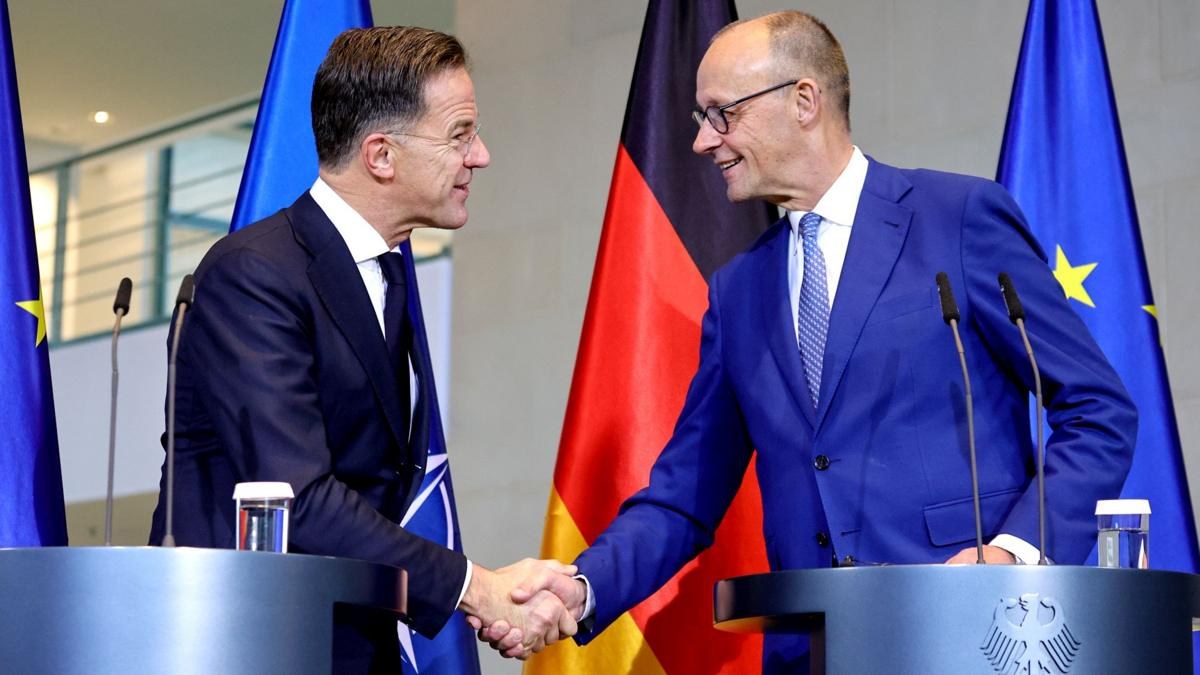
- Mark Rutte said NATO will defend every inch of alliance territory, "including making sure we are safe when it comes to the space element," and told a Berlin press conference the alliance has "a variety of response options" and would update deterrence and defence assessments where necessary.
- NDR, WDR and Süddeutsche Zeitung, citing anonymous German military and intelligence sources, reported a Russian satellite dubbed "Sputnik-S" carrying a nuclear warhead that could disrupt or destroy other satellites, with intelligence about a possible launch in the next 60 days shared among NATO countries this month and the authoring country unclear.
- Dmitry Peskov said he had not seen the reports and dismissed reporting based on "unknown sources" as "hardly worth taking seriously"; the Russian embassy in Berlin rejected the claims as "unfounded allegations" and part of a "propaganda campaign."
- Friedrich Merz neither confirmed nor denied the reports but said they "reveal the level of escalation Russia is evidently prepared to pursue," while a German government spokesman said they were being taken "very seriously" while warning against "excessive nervousness regarding hypothetical dangers."
Why It Matters
Rutte's pledge pulls the space domain inside NATO's deterrence and defence review, with a reported 60-day launch window as the immediate test. The stake is the satellites the report calls key for military communications, surveillance and navigation — and the domain is no Russian monopoly, since the US and China also deploy or plan space weapons.
Sources Cited
Related Coverage
Ask SkimNews