Saudi, Pak, Turkish security chiefs to meet Iran in Tehran
The 30-Second Skim
- What happened: Top security officials from Saudi Arabia, Pakistan, and Turkiye will meet their Iranian counterparts in Tehran for high-level talks, marking the first such engagement since Houthi attacks on Saudi targets intensified regional tensions.
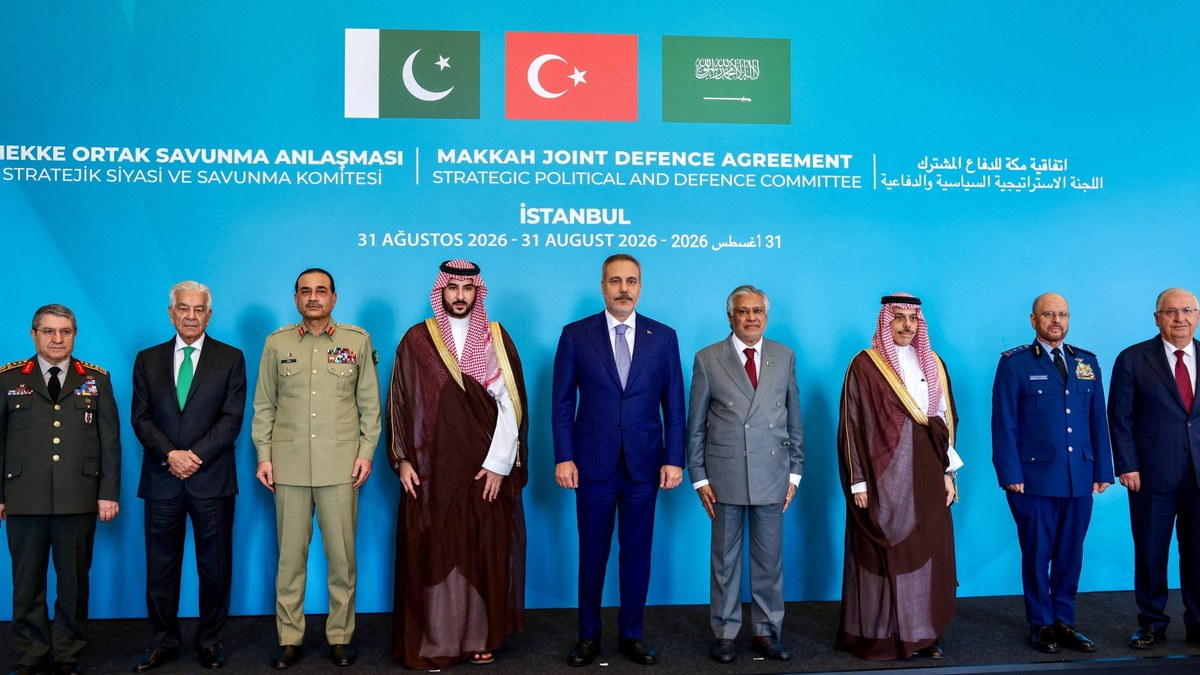
- Key facts & numbers: Saudi Arabia, Pakistan, and Turkiye will send senior defense and intelligence officials to Tehran for high-level talks with Iran, the first such meeting since the Houthi escalation against Saudi Arabia began. Ali Bagheri Kani confirmed that Saudi Defence Minister Khalid bin Salman Al Saud, Pakistani military chief Asim Munir, and Turkish intelligence chief Ibrahim Kalin will attend the joint meeting in Tehran on Monday. Mohsen Rezaei will lead the Iranian delegation in the talks, representing the Supreme National Security Council in discussions with the Mecca Defence Alliance members.
- What happens next: Not diplomats but defense chiefs: this isn’t just talk—it’s military-level crisis talks between rivals, happening as Houthi attacks keep hitting Saudi soil.
- Saudi Arabia, Pakistan, and Turkiye will send senior defense and intelligence officials to Tehran for high-level talks with Iran, the first such meeting since the Houthi escalation against Saudi Arabia began.
- Ali Bagheri Kani confirmed that Saudi Defence Minister Khalid bin Salman Al Saud, Pakistani military chief Asim Munir, and Turkish intelligence chief Ibrahim Kalin will attend the joint meeting in Tehran on Monday.
- Mohsen Rezaei will lead the Iranian delegation in the talks, representing the Supreme National Security Council in discussions with the Mecca Defence Alliance members.
- Rayed Krimly stated the meeting supports de-escalation efforts and diplomatic solutions, emphasizing the role of Qatar and Pakistan in mediation between regional actors.
Why It Matters
This meeting brings together key regional powers not seen in direct security talks since the Houthi surge, with Saudi Arabia now engaging Iran despite alignment tensions. The participation of military and intelligence leaders—not just diplomats—signals a shift toward direct crisis management, reducing reliance on intermediaries and potentially stabilizing a flashpoint that has drawn in the US and Israel.
Sources Cited
Related Coverage
Ask SkimNews