Singapore Positions Itself as Neutral Tech Hub
The 30-Second Skim
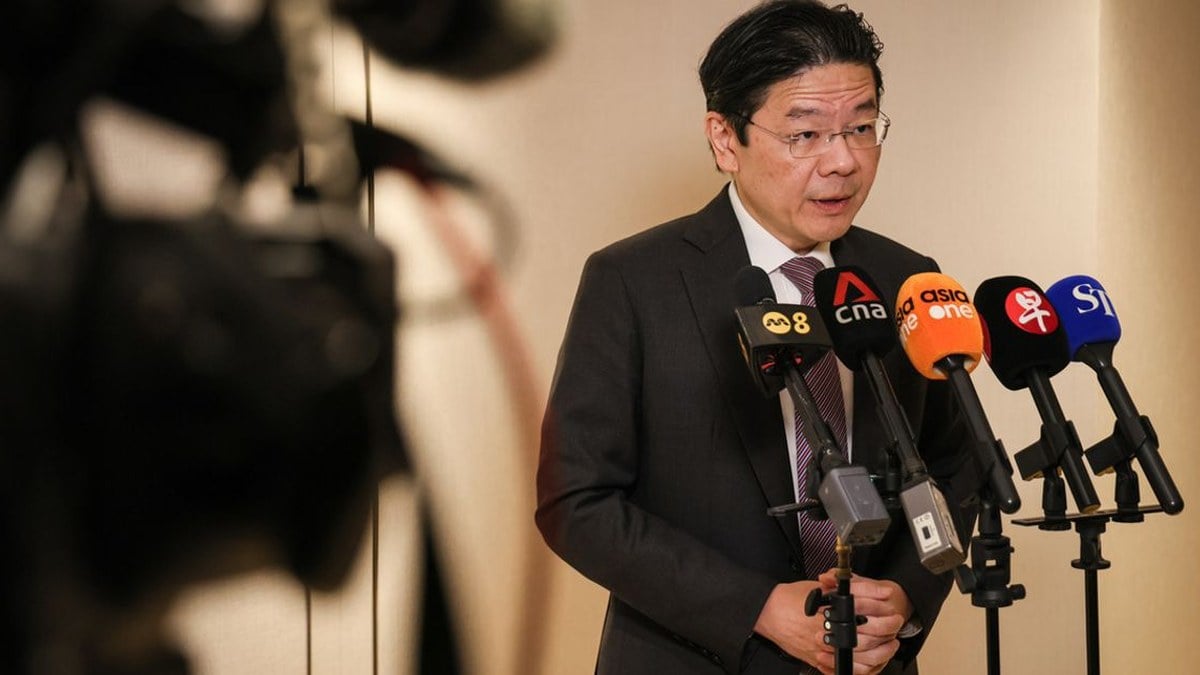
- What happened: During a four-day visit to China, PM Lawrence Wong emphasized Singapore’s intent to remain open to both US and Chinese technologies, particularly in AI and digital infrastructure. Singapore and China agreed to deepen cooperation in AI, green industries, transport, and upgrade their free trade agreement.
- Key facts & numbers: On Nov 21, 2026, Singapore and China completed a joint mapping of AI governance frameworks via IMDA and China Academy of Information and Communications Technology. Commercial self-driving trials by Pony.ai, WeRide, and Waymo’s 2028 launch plans highlight Singapore’s role as a neutral tech testing ground.
- What happens next: An AI in education agreement will be signed on Nov 23, 2026, during the Joint Council for Bilateral Cooperation in Singapore, covering AI tool testing and teaching exchanges between the two nations.
Why It Matters
Singapore’s push for technological neutrality allows it to serve as a bridge between competing US and Chinese ecosystems, offering firms a stable, rules-based environment for AI and digital innovation. This strategy strengthens its role as a regional hub and enhances ASEAN’s collective leverage in global tech governance.
By aligning AI standards with both NIST and Chinese frameworks, Singapore reduces compliance friction for multinationals. Its expanded green and transport pacts with China also position it as a key node in sustainable supply chains, influencing how Southeast Asia navigates great power competition without choosing sides.
How Outlets Are Framing It
- [Straits Times Asia / Bilateral Diplomacy]: Focuses on Singapore’s balanced diplomacy, highlighting upgraded trade talks and AI cooperation as proof of deepening, non-aligned ties with China.
- [ThinkChina / Strategic Neutrality]: Questions whether Singapore can maintain true neutrality in AI governance amid US export controls and China’s tech sovereignty push.
- [Reuters / Regional Realignment]: Frames the story within broader Asian efforts to gain strategic flexibility, noting ASEAN’s economic ambitions and Singapore’s 2027 chairmanship as pivotal.
Background & Timeline
- November 2026: PM Wong met President Xi Jinping and Premier Li Qiang, securing AI, transport, and green industry pacts during APEC summit in Shenzhen.
- 2027: Singapore assumes ASEAN chairmanship, aiming to shape regional connectivity and tech policy amid intensifying US-China rivalry.
Sources Cited
- Straits Times Asia — Amid US-China tech rivalry, Singapore wants to be open to both: PM Wong
- The Straits Times — Amid US-China tech rivalry, Singapore wants to be open to both: PM Wong
- ThinkChina — Can Singapore be neutral ground amid US-China AI rivalry?
- The Star — Singapore welcomes genuine Chinese investments, but not abuse of its trusted position: PM Wong
- AsiaOne.com — ASEAN could become $10 trillion economy by early 2040s, must 'shape own destiny' amid US-China rivalry: PM Wong
- Reuters — Asia seeks strategic flexibility amid US-China rivalry
Related Coverage
- Singapore Reviews US Chip Export Rules Amid China DiversionChannel News Asia
- Singapore to push for deeper ASEAN integration, wider partnerships as bloc chair in 2027: Vivian BalakrishnanChannel News Asia
- Singapore’s 2027 ASEAN chair pushes single marketChannel News Asia
- US-China AI Race Pressures ASEAN's NeutralityAsia Times
Ask SkimNews