South Korea Breaks Up Defense Counterintelligence Command
The 30-Second Skim
- What happened: South Korea formally launched a three-agency replacement for its Defense Counterintelligence Command on Aug 3, completing the breakup of the 49-year-old body accused of involvement in former president Yoon Suk Yeol's December 2024 martial law attempt.
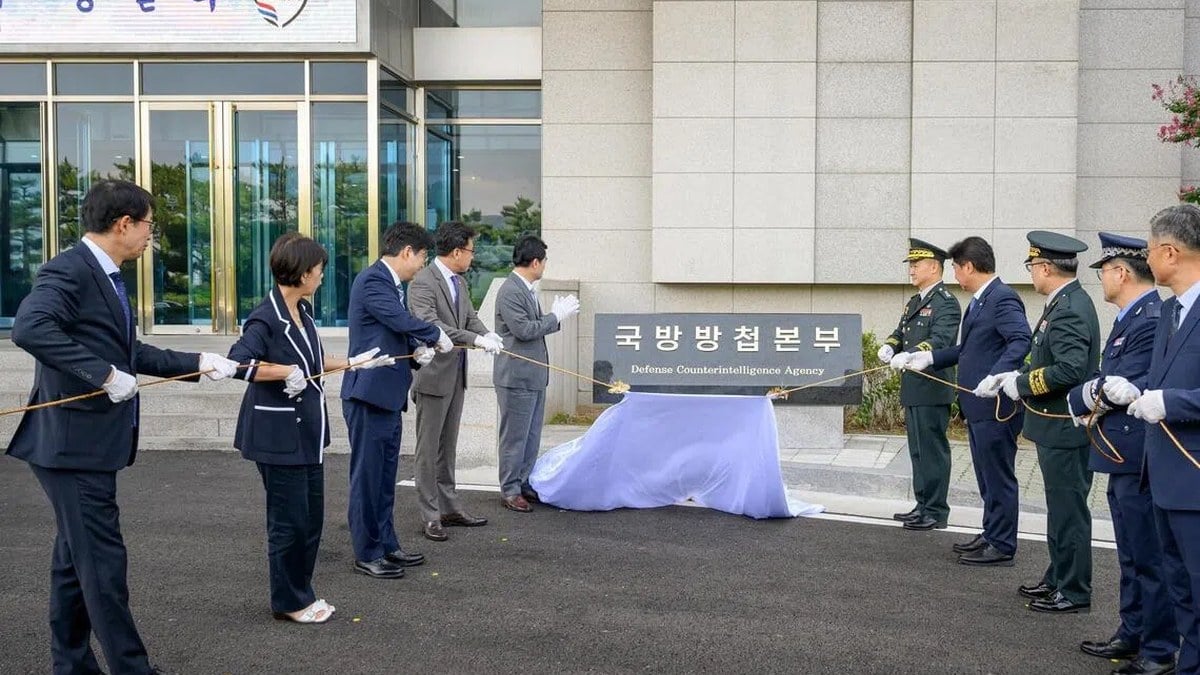
- Key facts & numbers: South Korea formally launched three new military counter-intelligence organisations on Aug 3, replacing the Defense Counterintelligence Command (DCC), which was dissolved July 30 after 49 years operating under different names. Defense Minister Ahn Gyu-back attended the launch ceremony in Gwacheon, calling on the new Defense Counterintelligence Agency to focus on countering espionage and emerging security threats under firm democratic control. Major-General Pyun Moo-sam, who oversaw the DCC's dissolution as its acting commander, was appointed inaugural head of the new Defense Counterintelligence Agency (DCA).
- What happens next: DCC gone after 49 years — but the defense minister still controls all three replacement agencies. Reform traded one concentrated power center for a slightly less concentrated one.
- South Korea formally launched three new military counter-intelligence organisations on Aug 3, replacing the Defense Counterintelligence Command (DCC), which was dissolved July 30 after 49 years operating under different names.
- Defense Minister Ahn Gyu-back attended the launch ceremony in Gwacheon, calling on the new Defense Counterintelligence Agency to focus on countering espionage and emerging security threats under firm democratic control.
- Major-General Pyun Moo-sam, who oversaw the DCC's dissolution as its acting commander, was appointed inaugural head of the new Defense Counterintelligence Agency (DCA).
- The DCC's alleged role in former president Yoon Suk Yeol's Dec 3, 2024 martial law attempt — including deployment of personnel to the National Assembly and National Election Commission — served as the immediate catalyst for the breakup.
Why It Matters
The reform splits a 49-year-old institution investigators say deployed personnel during Yoon's martial law attempt — but all three successor agencies remain under the defense minister's authority, which a Defense Ministry official acknowledged "could disperse functions without fully dispersing control." Critics want a civilian-military consultative body to close coordination gaps.
Sources Cited
Related Coverage
Ask SkimNews