South Korea Pledges $880bn for Chips and AI Hubs
The 30-Second Skim
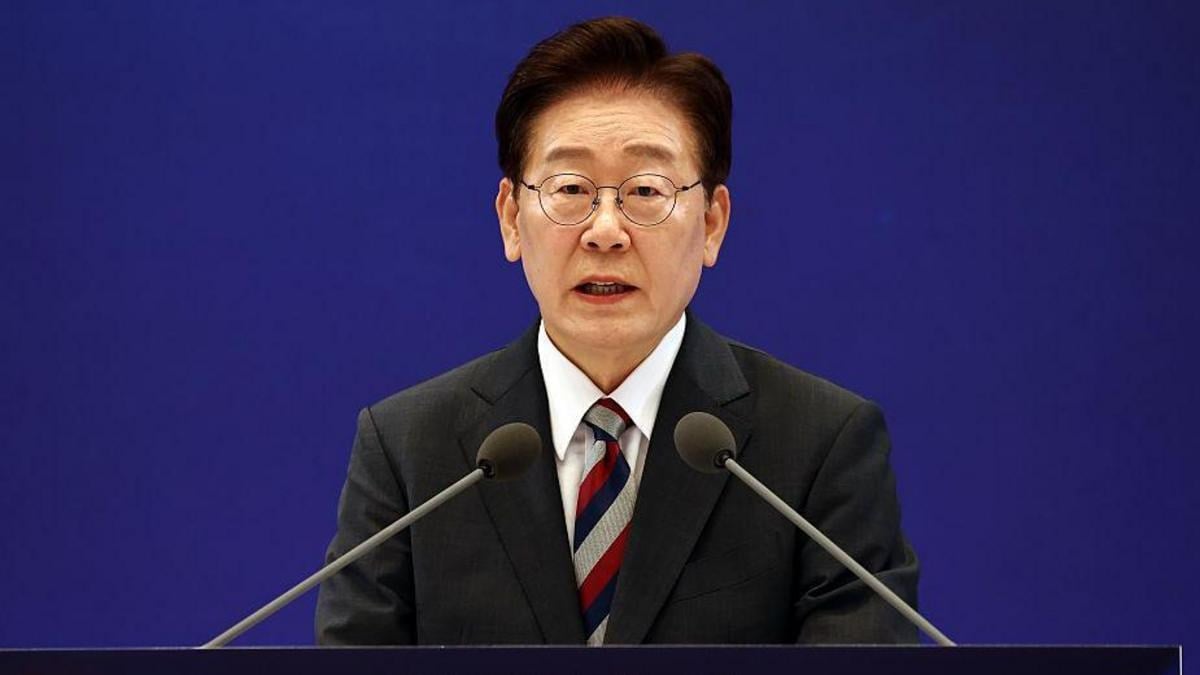
- What happened: South Korean President Lee Jae-myung unveiled an at-least-$880bn investment plan to build chip factories, AI data centres, and robotics hubs outside Seoul, calling semiconductors and AI infrastructure a matter of national survival.
- Key facts & numbers: Lee Jae-myung announced the $880bn (£666bn) plan on Monday as part of South Korea's "Three Mega Projects" targeting new chip production hubs, AI data centres, and robotics technology outside the Seoul region. Samsung and SK Hynix, the country's two largest chipmakers, joined the televised announcement; SK Hynix's stock valuation topped $1tn in May on AI data-centre demand. Regional rivals including Taiwan, China, and Japan are investing heavily in chip factories, with US tech giants Google, Amazon, and Meta pledging a combined $650bn in AI spending this year.
- What happens next: Al Jazeera rounds the figure up to $1 trillion — buried late: some investors are already bailing on AI spending, which makes Seoul's "survival" bet look either prescient or late.
- Lee Jae-myung announced the $880bn (£666bn) plan on Monday as part of South Korea's "Three Mega Projects" targeting new chip production hubs, AI data centres, and robotics technology outside the Seoul region.
- Samsung and SK Hynix, the country's two largest chipmakers, joined the televised announcement; SK Hynix's stock valuation topped $1tn in May on AI data-centre demand.
- Regional rivals including Taiwan, China, and Japan are investing heavily in chip factories, with US tech giants Google, Amazon, and Meta pledging a combined $650bn in AI spending this year.
- Lee framed the project as one of "survival" to reverse rural decline caused by industrial concentration in Seoul, saying South Korea must "secure the core elements of AI faster than any other country."
Why It Matters
With SK Hynix already a $1tn company riding AI demand, this $880bn commitment locks South Korea into the chip race alongside Taiwan, China, and Japan at a moment when investors are beginning to question whether AI capex is sustainable — making the rural-development framing a secondary story to a massive bet on continued semiconductor demand.
Sources Cited
Related Coverage
Ask SkimNews