The War China Might Choose
The 30-Second Skim
- What happened: Analysts argue China could effectively blockade Taiwan by launching fewer than 500 precision missiles at the island's ports, choking off trade without the international backlash that a traditional naval blockade would trigger.
- Key facts & numbers: China could implement a "blockade by fire" — a missile strike campaign targeting Taiwan's port infrastructure — that would cripple the island's trade without attacking third-party ships, sidestepping the escalation risks of a traditional naval blockade. Simulations conducted by the researchers show China could reduce Taiwan's imports to 15 percent of their average peacetime level using fewer than 500 ballistic missiles launched over 100 days. A traditional blockade would require China to fire on commercial cargo ships to enforce it, creating discrete targets the United States and other powers could retaliate against in a limited, non-escalatory way.
- What happens next: Everyone talks invasion or naval blockade — the actually scary scenario is a few hundred missiles turning Taiwan's ports into rubble while the world watches and no one has a clean trigger to intervene.
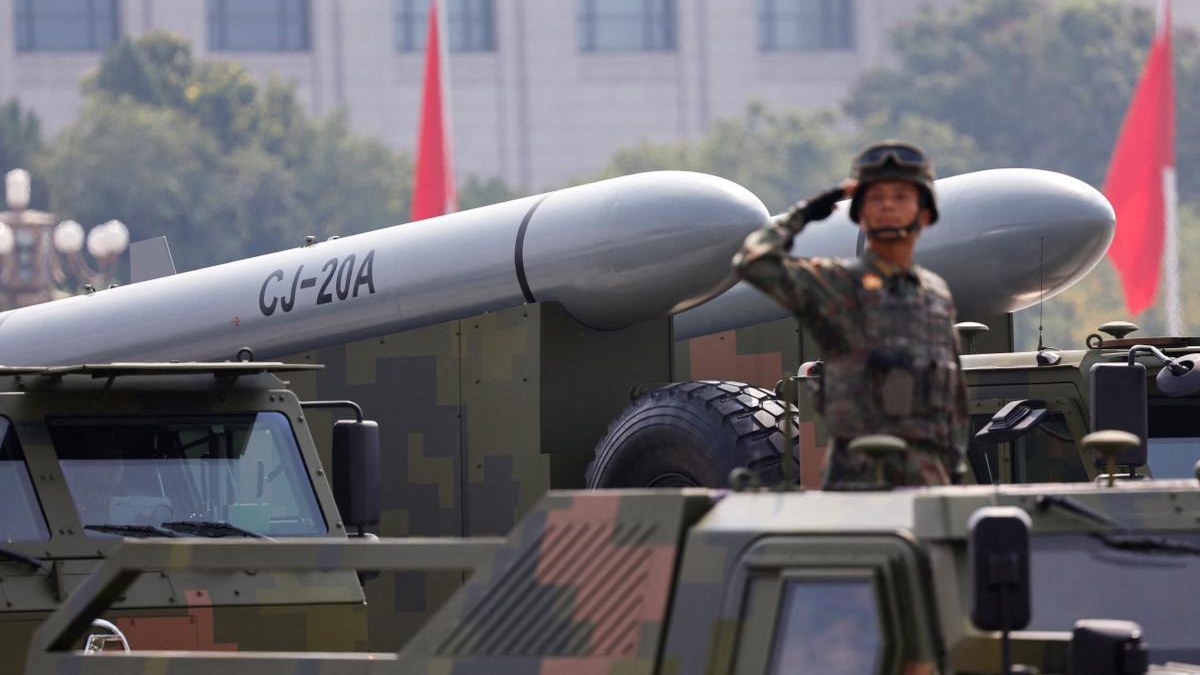
- China could implement a "blockade by fire" — a missile strike campaign targeting Taiwan's port infrastructure — that would cripple the island's trade without attacking third-party ships, sidestepping the escalation risks of a traditional naval blockade.
- Simulations conducted by the researchers show China could reduce Taiwan's imports to 15 percent of their average peacetime level using fewer than 500 ballistic missiles launched over 100 days.
- A traditional blockade would require China to fire on commercial cargo ships to enforce it, creating discrete targets the United States and other powers could retaliate against in a limited, non-escalatory way.
- Taiwan's missile defense buildup would be a "losing strategy" because interceptor missiles cost more than the ballistic missiles they target, and defenders often need to fire multiple interceptors per incoming missile.
Why It Matters
The analysis reframes Taiwan defense planning around an under-examined coercion strategy that exploits Taiwan's extreme trade dependence while avoiding the tripwires that would draw in the United States. Taiwan and its partners face a cost asymmetry — interceptors cost more than ballistic missiles — that makes pure missile defense financially unsustainable, forcing a shift toward port resilience, supply stockpiling, and crisis-response exercises.
Sources Cited
- Foreign Affairs — The War China Might Choose
Related Coverage
Ask SkimNews