Transactional mirage: Why Pakistan’s Trump card isn’t paying off
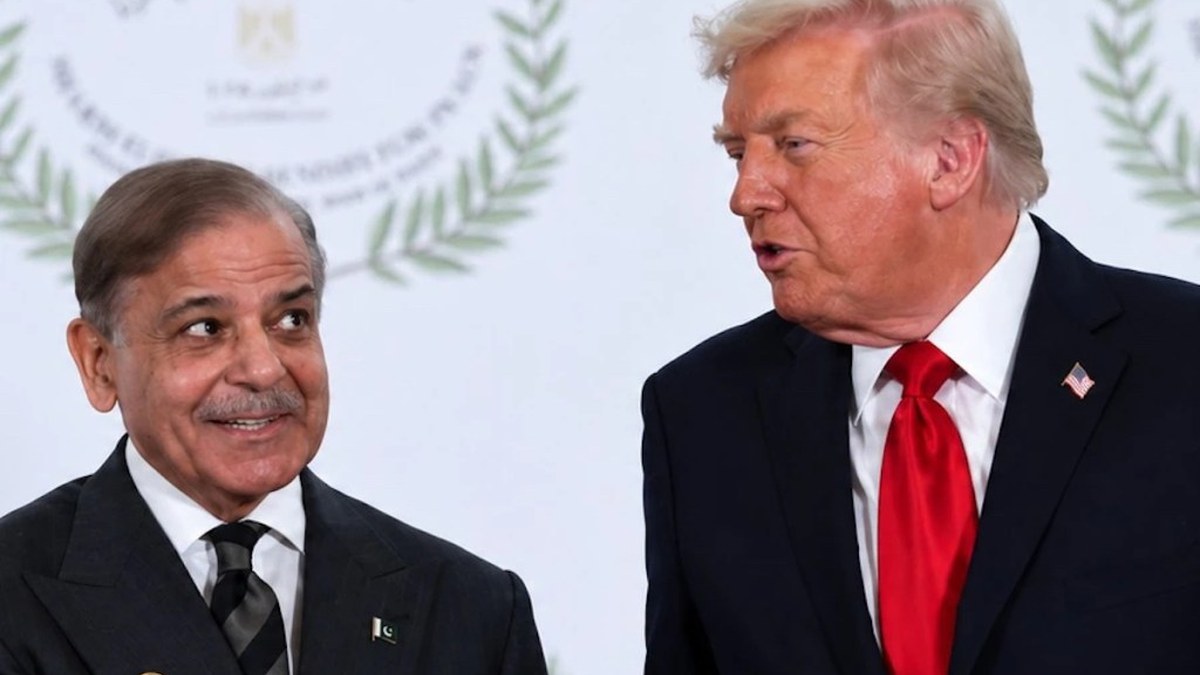
The 30-Second Skim
- What happened: Pakistan's extensive lobbying and transactional diplomacy with the Trump administration yielded symbolic praise but little concrete benefit, while India's institutionalized U.S. partnership continues to advance despite political shifts in Washington.
- Key facts & numbers: Pakistan spent nearly $5 million on U.S. lobbying firms, including engagements linked to former Trump aides, to influence the administration, but secured no major economic or strategic gains in return. Shehbaz Sharif’s government signed a $1.2 million multi-year contract with Ervin Graves Strategy Group in May 2026 to promote Pakistan’s interests at the Pentagon and Congress, despite the country’s reliance on IMF bailouts. Pakistan’s Ministry of Finance signed an MoU in January 2026 with SC Financial Technologies, affiliated with the Trump family’s World Liberty Financial, to launch a dollar-linked stablecoin for remittances.
- What happens next: Pakistan paid millions and got Trump calling Munir his 'favorite field marshal.' India got $67.5B in U.S. tech investment. One relationship is transactional theater — the other, strategic reality.
- Pakistan spent nearly $5 million on U.S. lobbying firms, including engagements linked to former Trump aides, to influence the administration, but secured no major economic or strategic gains in return.
- Shehbaz Sharif’s government signed a $1.2 million multi-year contract with Ervin Graves Strategy Group in May 2026 to promote Pakistan’s interests at the Pentagon and Congress, despite the country’s reliance on IMF bailouts.
- Pakistan’s Ministry of Finance signed an MoU in January 2026 with SC Financial Technologies, affiliated with the Trump family’s World Liberty Financial, to launch a dollar-linked stablecoin for remittances.
- Frontier Works Organization signed a $500 million critical-minerals deal with U.S. Strategic Metals in September 2025 after presenting mineral samples to Trump in a White House meeting.
Why It Matters
Pakistan wasted scarce resources on high-cost lobbying and family-linked deals that delivered only flattery, not aid or investment, while India gains from a resilient, institutionally rooted U.S. partnership now poised to strengthen under Democratic congressional oversight. The shift exposes the risk of betting on transactional diplomacy over structural alliances.
Sources Cited
Related Coverage
Ask SkimNews