India‑Pakistan war may cause ozone loss over US‑Russia
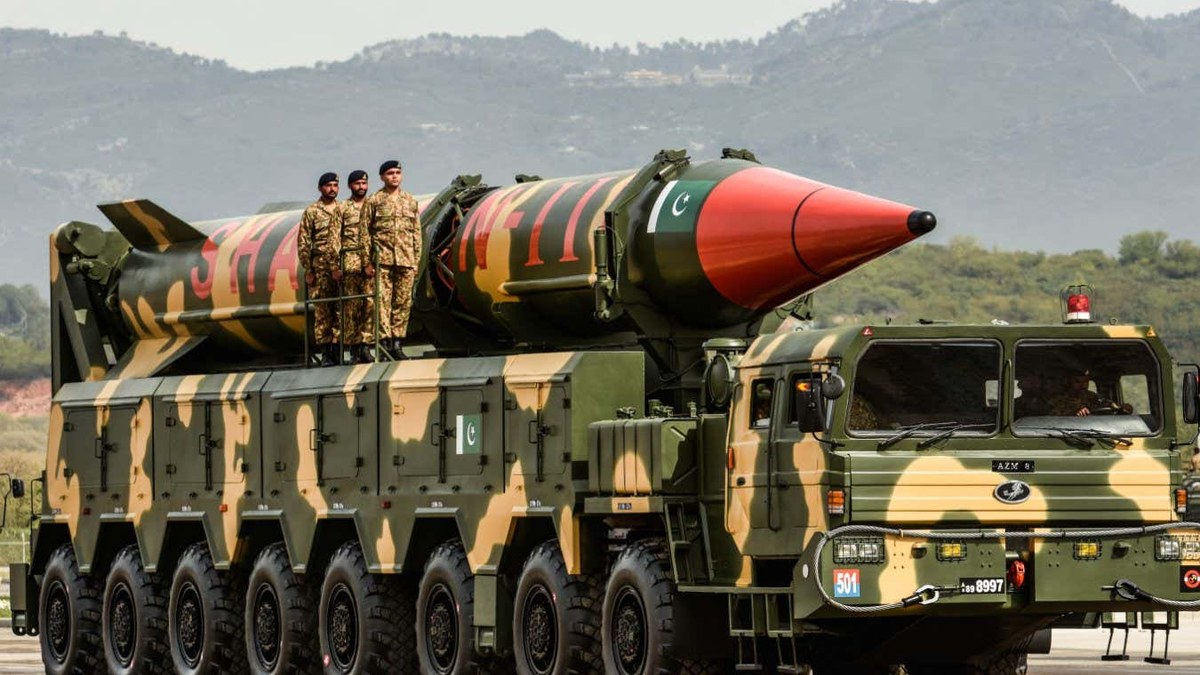
The 30-Second Skim
- What happened: A new climate‑model study finds that even a limited India‑Pakistan nuclear exchange could inflict ozone‑layer damage comparable to, or exceeding, that from a full‑scale US‑Russia nuclear war, with heightened UV risks worldwide.
- Key facts & numbers: Zhihong Zhuo (University of Quebec in Montreal) emphasized that even a small-scale nuclear war can have far‑reaching global side effects beyond the conflict zones. India‑Pakistan nuclear exchange was modelled to release 5 million tonnes of soot, versus 16 million tonnes in a US‑Russia exchange. Kuo's climate model incorporated organic carbon and other pollutants, showing that tropical circulation lifts the soot higher, keeping it aloft longer and spreading it worldwide.
- What happens next: Headlines stress nuclear winter, but the study says a tiny India‑Pakistan war could cause major ozone loss and UV spikes—fallout ignored.
- Zhihong Zhuo (University of Quebec in Montreal) emphasized that even a small-scale nuclear war can have far‑reaching global side effects beyond the conflict zones.
- India‑Pakistan nuclear exchange was modelled to release 5 million tonnes of soot, versus 16 million tonnes in a US‑Russia exchange.
- Kuo's climate model incorporated organic carbon and other pollutants, showing that tropical circulation lifts the soot higher, keeping it aloft longer and spreading it worldwide.
- Kuo's analysis shows that the India‑Pakistan scenario causes greater ozone‑layer depletion than the US‑Russia case, with the greatest damage over the poles.
Why It Matters
The finding means that a regional India‑Pakistan nuclear clash would threaten global food security and public health by amplifying UV radiation, harming crops and wildlife, while also complicating climate‑recovery efforts after a nuclear winter. The risk extends far beyond the combatants, affecting the entire planet.
Sources Cited
Related Coverage
Ask SkimNews