Trump-Netanyahu Split: Deal vs. Iran Strikes
The 30-Second Skim
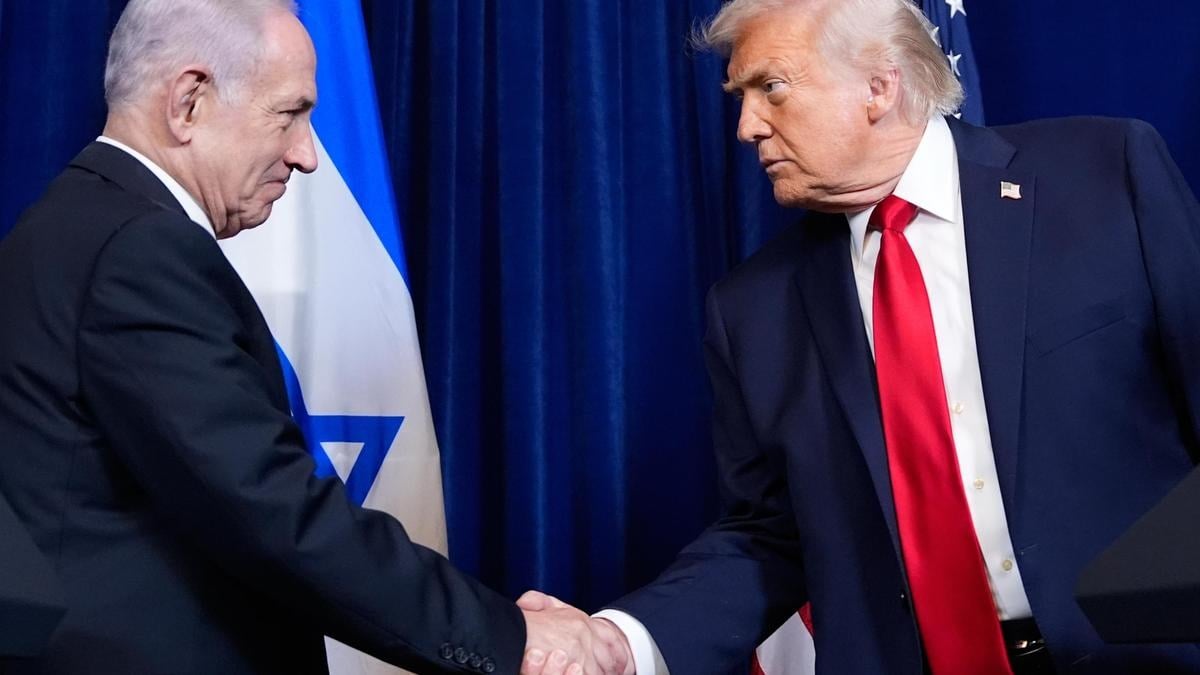
- What happened: A tense Trump-Netanyahu phone call exposed a US-Israel split on Iran policy, with Netanyahu pushing to resume strikes while Trump favors a deal backed by a Qatari-Pakistani peace memo and a proposed 30-day negotiation window.
- Key facts & numbers: Netanyahu pushed Trump on the May 19 phone call to resume strikes on Iran to further degrade its military capabilities and destroy critical infrastructure, per Axios Trump postponed strikes originally planned for May 19 at the request of Arab nations including Qatar and the UAE, saying he still believes a deal can be reached Qatar and Pakistan drafted a revised peace memo with input from other regional mediators to bridge gaps between the U.S. and Iran, Axios reported
- What happens next: Trump publicly claimed Netanyahu "will do whatever I want him to do" on Iran — but Axios' "hair on fire" leak says that's not how Bibi's team read the call.
- Netanyahu pushed Trump on the May 19 phone call to resume strikes on Iran to further degrade its military capabilities and destroy critical infrastructure, per Axios
- Trump postponed strikes originally planned for May 19 at the request of Arab nations including Qatar and the UAE, saying he still believes a deal can be reached
- Qatar and Pakistan drafted a revised peace memo with input from other regional mediators to bridge gaps between the U.S. and Iran, Axios reported
- Trump told reporters on May 20 that the U.S. and Iran are "right on the borderline" between getting a deal and resuming the war, adding, "If we don't get the right answers, it goes very quickly"
Why It Matters
The phone call reveals a sharp US-Israel strategic divide on Iran at a moment when mediators are racing to convert a Qatari-Pakistani peace memo into a binding letter of intent with a 30-day nuclear and Strait of Hormuz negotiation window. Netanyahu's stated appetite for resumed strikes against Trump's deal-first posture means Israel could act unilaterally if those 30 days produce no agreement, and Iran's lack of flexibility on its 14-point proposal makes that scenario increasingly plausible.
Background & Timeline
- Editor context: The clash over military action against Iran reveals a divergence in how the US and Israel perceive the urgency and viability of diplomatic versus coercive approaches to regional security.
Sources Cited
Related Coverage
Ask SkimNews