Trump-Netanyahu Summit Exposes Rift Over Iran War
The 30-Second Skim
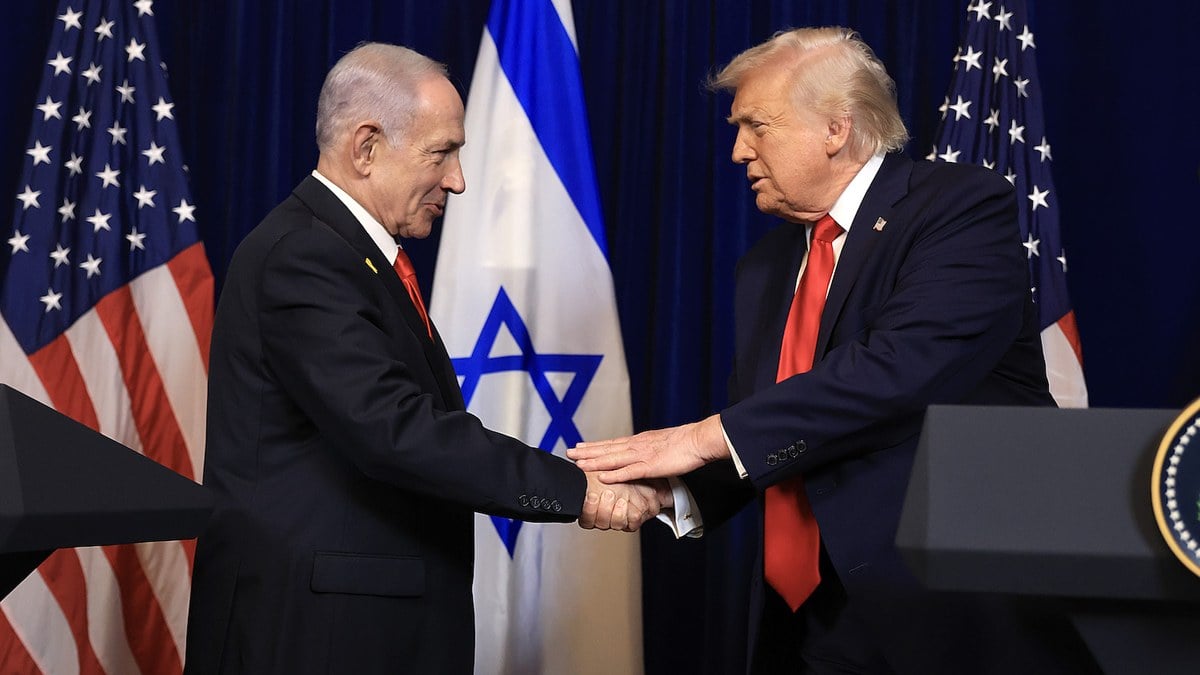
- What happened: Israeli Prime Minister Benjamin Netanyahu arrives at the White House on Tuesday for his first face-to-face meeting with President Donald Trump since the Iran war began, as the two leaders diverge sharply over whether to escalate the conflict or pivot to diplomacy.
- Key facts & numbers: Netanyahu arrives at the White House on Tuesday for his first face-to-face with Trump since the Iran war began, heading into Oct. 27 elections where 33% of Israelis see him as the best PM candidate versus 59% who prefer someone else. Trump has pivoted toward controlling the Strait of Hormuz and stabilizing energy markets while Netanyahu is expected to push for a return to all-out war with Iran; the war is unpopular domestically due to rising fuel costs and inflation, with Democrats positioned to gain in November's midterms. Trump paused strikes on Iran over the weekend to revive diplomacy, telling Axios "We are in very deep talks with Iran" after J.D. Vance, Joint Chiefs Chairman Gen. Dan Caine, and Centcom commander Adm. Brad Cooper warned against escalation; Brent crude dropped roughly 6% on Monday in response.
- What happens next: Trump's own VP, Joint Chiefs chair, and Centcom commander all warned him off escalation Friday. The Iran split isn't just with Bibi — it's inside Trump's war cabinet.
- Netanyahu arrives at the White House on Tuesday for his first face-to-face with Trump since the Iran war began, heading into Oct. 27 elections where 33% of Israelis see him as the best PM candidate versus 59% who prefer someone else.
- Trump has pivoted toward controlling the Strait of Hormuz and stabilizing energy markets while Netanyahu is expected to push for a return to all-out war with Iran; the war is unpopular domestically due to rising fuel costs and inflation, with Democrats positioned to gain in November's midterms.
- Trump paused strikes on Iran over the weekend to revive diplomacy, telling Axios "We are in very deep talks with Iran" after J.D. Vance, Joint Chiefs Chairman Gen. Dan Caine, and Centcom commander Adm. Brad Cooper warned against escalation; Brent crude dropped roughly 6% on Monday in response.
- Iran insists it still controls the Strait of Hormuz and refuses direct peace talks, while Iraq, Jordan, and Saudi Arabia all reported drone attacks Monday — Riyadh blaming Iranian-backed Iraqi militias and Houthis claiming strikes on crude routes to Saudi Arabia's main Red Sea oil port.
Why It Matters
Netanyahu's 33% favorability heading into Oct. 27 elections pulls him toward escalation, while Trump faces voter backlash over rising fuel costs and inflation — opposite domestic pressures pushing the two leaders toward incompatible Iran strategies at exactly the moment the war's direction is up for grabs.
Sources Cited
- Foreign Policy — What to Expect at the Trump-Netanyahu Showdown
Related Coverage
Ask SkimNews