Trump rejects Iran ceasefire; Araghchi pushes diplomacy
The 30-Second Skim
- What happened: President Trump rejected Iran's proposal for a seven-day ceasefire and reopening of the Strait of Hormuz, even as Iranian Foreign Minister Araghchi insisted on Meet the Press that "there is no alternative to a negotiated solution" and that indirect US-Iran talks through Qatari mediators continue.
- Key facts & numbers: Trump rejected Iran's proposal for a seven-day ceasefire and Strait of Hormuz reopening, telling journalists "I'm rejecting their deal" while claiming the US has "total control" of the strait and that Iran is "losing so badly" Iranian Foreign Minister Seyed Abbas Araghchi declared on NBC's "Meet the Press" that "there is no alternative to a negotiated solution," while warning Iran is "fully prepared for the war to be resumed" including "doomsday war" if aggression continues Iran's proposal is "essentially the same bargain" as the June deal but reverses the sequence—requiring the US to take concrete steps first before Iran eases Hormuz pressure, according to Center for International Policy senior fellow Sina Toossi
- What happens next: Trump rejected the deal publicly while Witkoff and Kushner kept negotiating privately through Qatar—the 'art of the deal' NIAC mocks is literally two contradictory tracks at once.
- Trump rejected Iran's proposal for a seven-day ceasefire and Strait of Hormuz reopening, telling journalists "I'm rejecting their deal" while claiming the US has "total control" of the strait and that Iran is "losing so badly"
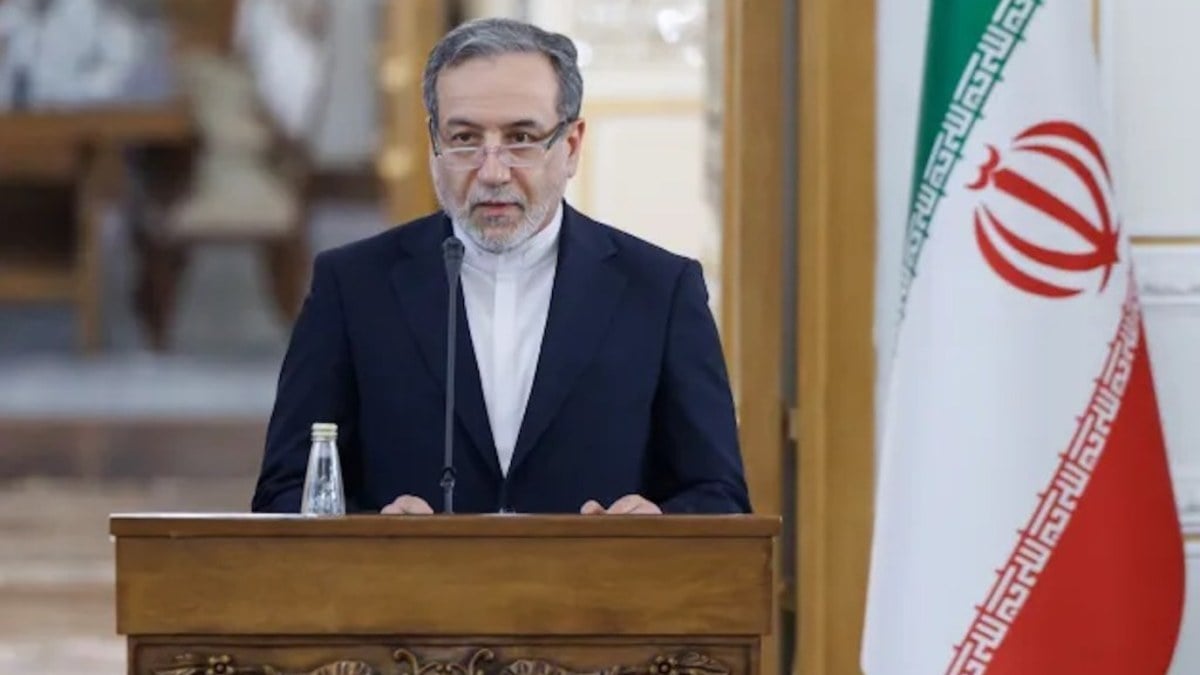
- Iranian Foreign Minister Seyed Abbas Araghchi declared on NBC's "Meet the Press" that "there is no alternative to a negotiated solution," while warning Iran is "fully prepared for the war to be resumed" including "doomsday war" if aggression continues
- Iran's proposal is "essentially the same bargain" as the June deal but reverses the sequence—requiring the US to take concrete steps first before Iran eases Hormuz pressure, according to Center for International Policy senior fellow Sina Toossi
- Trump envoys Steve Witkoff and Jared Kushner held indirect negotiations with Araghchi on the UNGA sidelines, aided by Qatar, with US officials telling Axios that "positive and constructive" discussions continue on nuclear issues despite the public rejection
Why It Matters
With Trump's approval rating at a record low and midterms under six weeks away, his refusal to take a deal that would lower gas prices hands Democrats a potent economic weapon while exposing a contradiction between his public rejection and the indirect channel his own envoys are still running through Qatar. NIAC's lawsuit puts the war's constitutionality directly into federal courts, raising the stakes for an already contentious political moment.
Sources Cited
Related Coverage
Ask SkimNews