Trump secures ASEAN trade, tech deals before Shenzhen summit
The 30-Second Skim
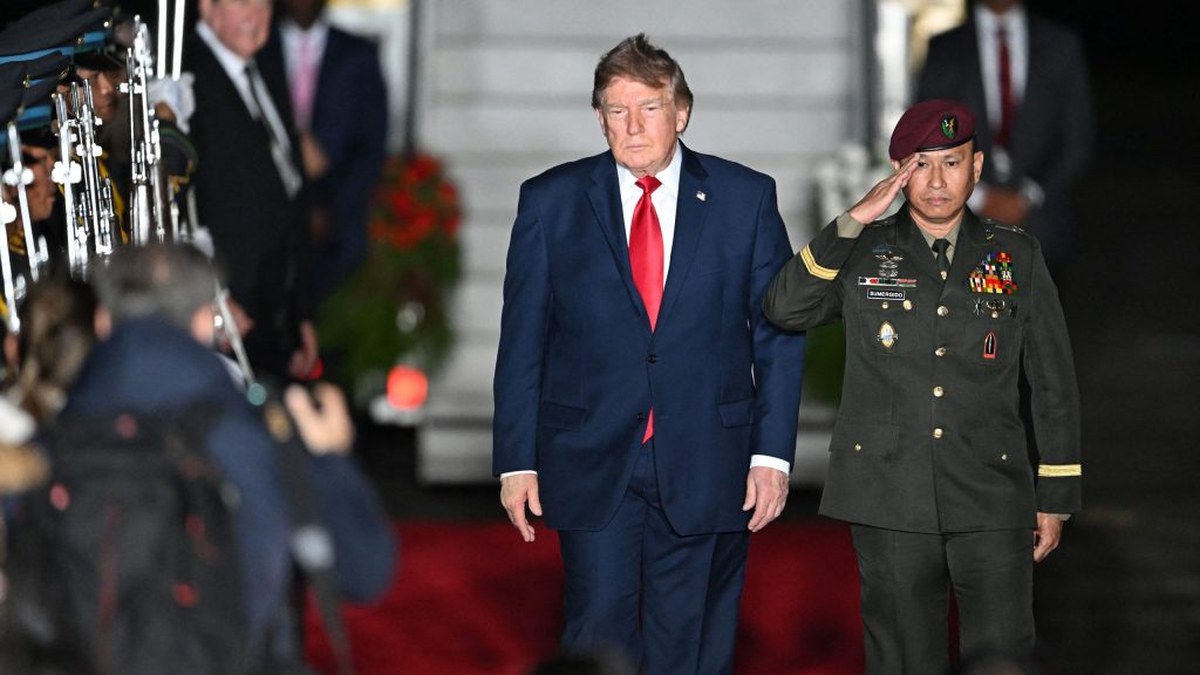
- What happened: President Trump used a brief Manila stop ahead of the Shenzhen summit to secure asymmetric trade and security deals with Southeast Asian nations, leveraging bilateral gains amid tightening U.S. tech controls and regional balancing acts.
- Key facts & numbers: Trump secured a rapid trade agreement with Thai Prime Minister Anutin Charnvirakul in Manila, under which Bangkok agreed to eliminate tariffs and non-tariff barriers on U.S. exports and purchase $2.6 billion in additional American goods. Thailand committed to dismantling trade barriers across vehicles, pharmaceuticals, ethanol, and poultry, though officials stressed the deal is a negotiating milestone, not a binding treaty, and remains subject to parliamentary review. The Quad—U.S., Japan, India, Australia—revived its leaders’ meeting in Manila, announcing joint maritime patrol aircraft exercises and a new AI accelerator, signaling alignment ahead of Trump’s trilateral summit with Xi and Putin.
- What happens next: While headlines tout Trump’s AI and trade wins, the real story is in the Commerce Dept’s quiet rule change—locking ASEAN into U.S. tech compliance just before Shenzhen.
- Trump secured a rapid trade agreement with Thai Prime Minister Anutin Charnvirakul in Manila, under which Bangkok agreed to eliminate tariffs and non-tariff barriers on U.S. exports and purchase $2.6 billion in additional American goods.
- Thailand committed to dismantling trade barriers across vehicles, pharmaceuticals, ethanol, and poultry, though officials stressed the deal is a negotiating milestone, not a binding treaty, and remains subject to parliamentary review.
- The Quad—U.S., Japan, India, Australia—revived its leaders’ meeting in Manila, announcing joint maritime patrol aircraft exercises and a new AI accelerator, signaling alignment ahead of Trump’s trilateral summit with Xi and Putin.
- U.S. Commerce Department issued an interim final rule restricting remote cloud access to advanced American computing via overseas data centers, targeting third-country infrastructure that could enable Chinese firms to bypass tech controls.
Why It Matters
Southeast Asian economies gain short-term trade access but lose autonomy in digital and industrial development as U.S. export rules bind regional infrastructure. China fills the void with open-tech partnerships, turning supply chain and data policies into a geopolitical contest with measurable stakes in semiconductor flows and AI investment.
Sources Cited
Related Coverage
Ask SkimNews