Trump-Xi summit wraps with Taiwan push, limited trade deals
The 30-Second Skim
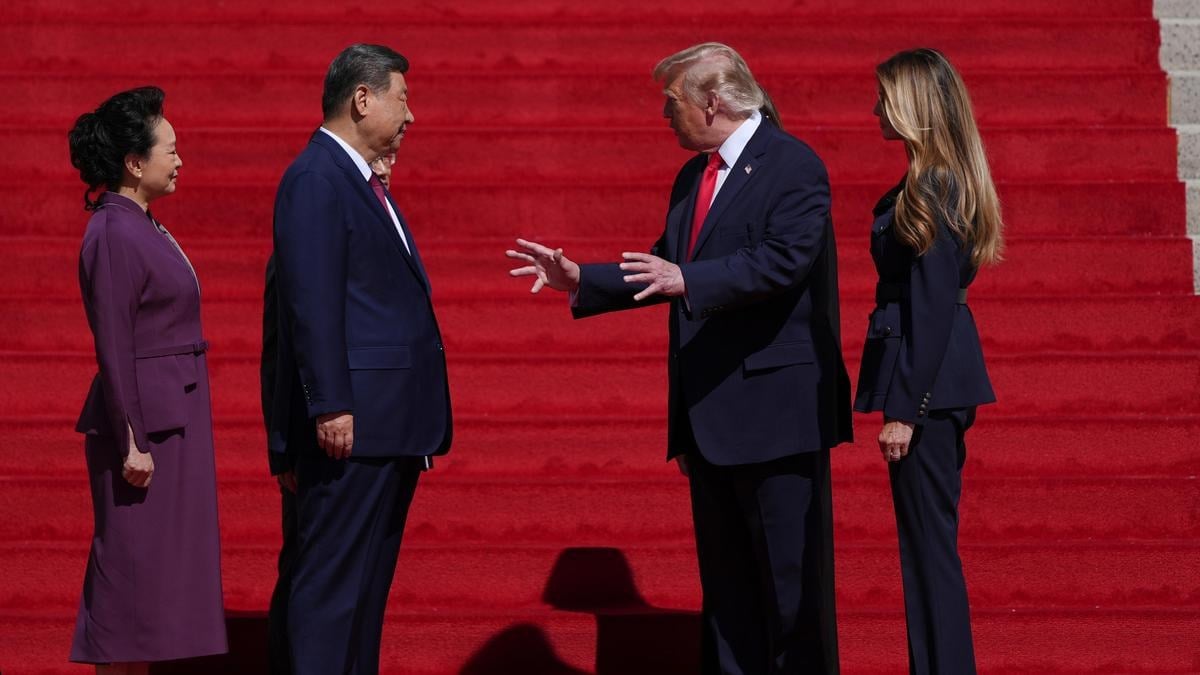
- What happened: President Trump and Chinese President Xi Jinping concluded a three-day White House summit with tea in the Red Room and a tour of the National Archives on September 25, 2026 — a visit heavy on pageantry and symbolism but light on substantive breakthroughs on trade or Taiwan.
- Key facts & numbers: The Trump-Xi summit concluded at the National Archives on September 25, 2026, where both leaders reviewed the Declaration of Independence, Constitution, and Bill of Rights; analysts noted Xi may be keen to see records relating to the U.S.'s 1979 switch of diplomatic recognition from Taiwan to communist China. U.S. Trade Representative Jamieson Greer told CNBC that limited bilateral agreements — including exemptions for U.S. agricultural products and medical device exports to China and imports of consumer and non-sensitive goods — would be released on Monday, calling it a "managed trade situation." Xi Jinping publicly pressed Trump on Taiwan, saying he hoped the U.S. would "handle the Taiwan question with prudence" and "adhere to the correct position of opposing 'Taiwan independence'"; Craig Singleton of the Foundation for Defense of Democracies warned that Beijing may treat Washington's existing restraint on arms sales as a new baseline rather than a temporary pause.
- What happens next: Billion-dollar state dinner for an 'adherence' pledge on Taiwan and 'great strides' with no details. The $14B arms package is still Trump's only chip — and Beijing knows it.
- The Trump-Xi summit concluded at the National Archives on September 25, 2026, where both leaders reviewed the Declaration of Independence, Constitution, and Bill of Rights; analysts noted Xi may be keen to see records relating to the U.S.'s 1979 switch of diplomatic recognition from Taiwan to communist China.
- U.S. Trade Representative Jamieson Greer told CNBC that limited bilateral agreements — including exemptions for U.S. agricultural products and medical device exports to China and imports of consumer and non-sensitive goods — would be released on Monday, calling it a "managed trade situation."
- Xi Jinping publicly pressed Trump on Taiwan, saying he hoped the U.S. would "handle the Taiwan question with prudence" and "adhere to the correct position of opposing 'Taiwan independence'"; Craig Singleton of the Foundation for Defense of Democracies warned that Beijing may treat Washington's existing restraint on arms sales as a new baseline rather than a temporary pause.
- The Trump administration approved an $11 billion arms sale package to Taiwan in December and is holding a separate $14 billion package in abeyance, which Trump described after his May summit as a "very good negotiating chip."
Why It Matters
Xi secured a public U.S. hearing of his Taiwan 'adherence' language while U.S. farmers await Monday's trade details and $14 billion in pending Taiwan arms sales remains on hold. Senate Democrats charge the summit produced no meaningful concessions on trade, security, AI, or human rights — leaving Washington's Asian allies to read whether arms-sales restraint is now baseline policy.
Sources Cited
Related Coverage
Ask SkimNews