Trump’s ASEAN Summit Challenge: Security Deals vs. Regional Autonomy
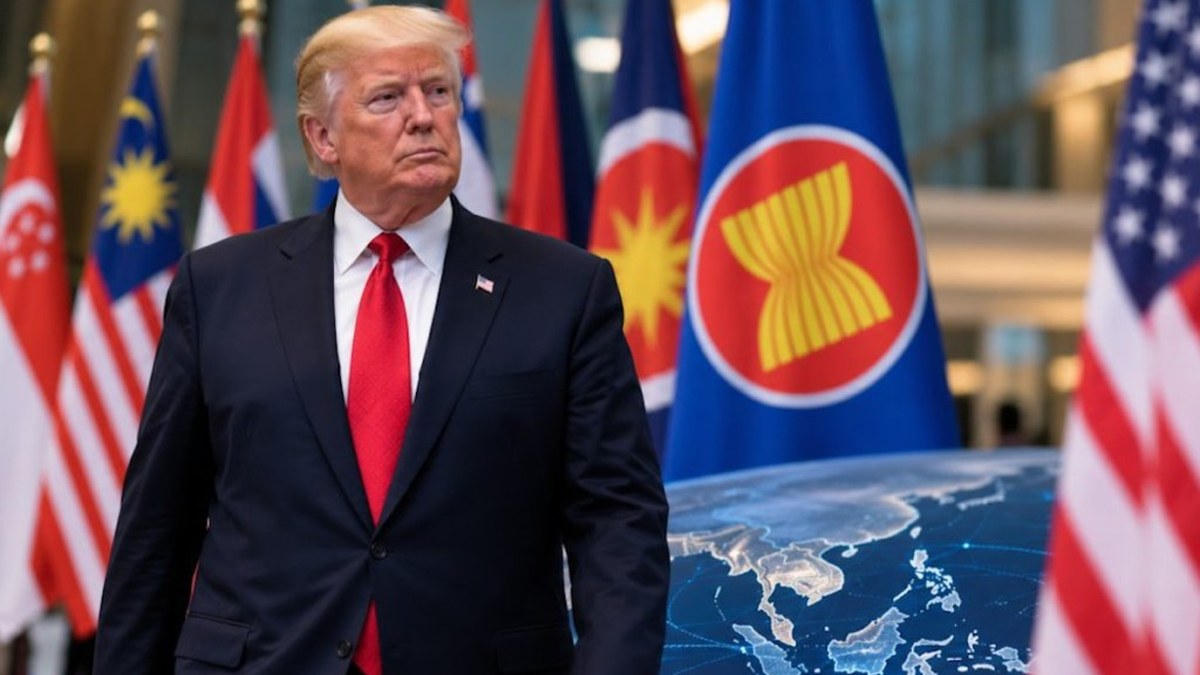
The 30-Second Skim
- What happened: As Trump attends the ASEAN Summit in Manila, Southeast Asian leaders are assessing whether U.S. engagement offers genuine partnership or deepens regional fragmentation through transactional deals and militarized responses to China.
- Key facts & numbers: Trump arrives in Manila for the ASEAN Summit, where his administration's approach to Southeast Asia will be scrutinized amid shifting U.S.-China competition and post-midterm policy uncertainty. ASEAN seeks engagement that respects its strategic autonomy, warning that security frameworks focused on military deterrence against China could increase regional polarization. Pete Hegseth proposed a US-ASEAN Framework for Defense Cooperation at the ASEAN Defense Ministers’ Meeting-Plus in Cebu, emphasizing maritime domain awareness and naval coordination.
- What happens next: Other sources frame this as U.S.-China rivalry, but the real story is ASEAN pushing back: they don’t want military pacts or piecemeal trade—they want autonomy and integrity in engagement.
- Trump arrives in Manila for the ASEAN Summit, where his administration's approach to Southeast Asia will be scrutinized amid shifting U.S.-China competition and post-midterm policy uncertainty.
- ASEAN seeks engagement that respects its strategic autonomy, warning that security frameworks focused on military deterrence against China could increase regional polarization.
- Pete Hegseth proposed a US-ASEAN Framework for Defense Cooperation at the ASEAN Defense Ministers’ Meeting-Plus in Cebu, emphasizing maritime domain awareness and naval coordination.
- Southeast Asian economies face supply chain disruptions due to U.S. tariffs and bilateral trade deals that undermine ASEAN’s collective bargaining power, with Indonesia’s agreement still not in effect.
Why It Matters
ASEAN risks losing leverage as a bloc if bilateral U.S. trade deals proceed without unified standards, while weakened governance—already tied to an $88 billion regional cyberfraud loss—could deepen if Washington sidelines democratic accountability for strategic gain. The U.S. risks being seen as a fair-weather partner.
Sources Cited
Related Coverage
Ask SkimNews