Ukraine tests combat laser against Russian drones
The 30-Second Skim3 points
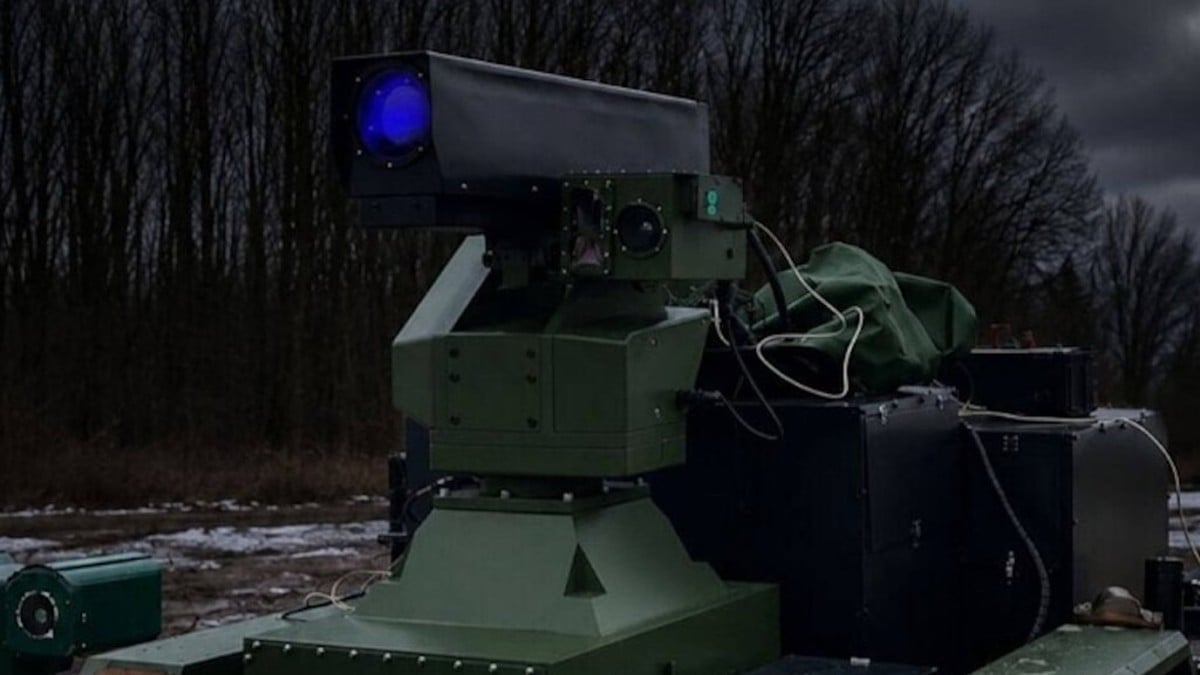
- What happenedUkrainian forces used a 4-kilowatt combat laser system called Blysk to destroy a Russian Geran strike drone, marking the first known operational intercept of its kind in warfare.
- Key facts & numbersThe Blysk laser, developed by Carmine Sky and deployed in early November, operates up to one kilometer range; Russia may produce up to 110 ballistic missiles monthly, according to Ukrainian intelligence.
- What happens nextUkraine continues trials of the Blysk system amid challenges with precision tracking, weather limitations, and scalability, while Russia advances its mini-cruise missile production.
Why It Matters
Directed-energy weapons like the Blysk laser offer Ukraine a cost-effective tool against drone swarms, where each missile interceptor costs millions versus drones built for thousands. This could ease pressure on depleted air-defense stocks, especially as European and U.S. aid faces political headwinds.
However, lasers remain limited against hypersonic and ballistic missiles, which Russia continues to produce at scale. The real strategic value lies in integrating lasers into layered defenses—combining electronic warfare, cyber, and kinetic systems—to sustain resistance without matching Russia’s industrial output.
How Outlets Are Framing It
- Defense & Technology Press: Frames the story as a technological breakthrough, emphasizing the world-first combat use of a laser weapon and its potential to reshape air defense economics
- Geopolitical Analysts Lens: Focuses on the broader war of attrition, highlighting how laser deployment intersects with great-power support, missile production rates, and alliance cohesion
- Countermeasure & Adaptation Watch: Surfaces the risk of rapid adversary evolution, noting that Russia has already enhanced drone survivability through shielding, decoys, and swarm tactics
Background & Timeline
- Late 2022: Russia began fielding propeller-driven Geran 2 drones, later upgrading them with electronic warfare resilience, armor, and mesh networks
- 2020–2023: Russia advanced development of the R500 turbine for domestic jet-powered drones, laying the foundation for rapid deployment of Geran 3, 4, and 5 models
Sources Cited
Related Coverage
Ask SkimNews