Analysts: US-Iran War Headed for Frozen Conflict
The 30-Second Skim
- What happened: Two political scientists argue the US-Iran war is structurally unlikely to end in a comprehensive peace deal, pointing to three factors — Trump's pattern of declaring ceasefires as victories, the conflict's asymmetric nature, and the unresolved nuclear dispute — that together point to a prolonged frozen standoff.
- Key facts & numbers: Donald Trump treats ceasefires as the end of wars rather than pauses for substantive negotiations, and has claimed credit for ending ten conflicts, including the current Iran situation and Israel's war in Lebanon, even as underlying issues remain unresolved. Trump walked away from the India-Pakistan and Thailand-Cambodia conflicts after ceasefires held, leaving frozen standoffs and continued risk of renewed hostilities, a pattern the authors expect to repeat with Iran. The US-Iran war is asymmetric, with Iran — the weaker actor — using tactics like closing the Strait of Hormuz and targeting Gulf state infrastructure to apply political, economic and psychological pressure rather than win a conventional battle.
- What happens next: The 'ceasefire = victory' playbook is the same one that trapped the US in Afghanistan for 20 years — except this time the nuclear file is still wide open.
- Donald Trump treats ceasefires as the end of wars rather than pauses for substantive negotiations, and has claimed credit for ending ten conflicts, including the current Iran situation and Israel's war in Lebanon, even as underlying issues remain unresolved.
- Trump walked away from the India-Pakistan and Thailand-Cambodia conflicts after ceasefires held, leaving frozen standoffs and continued risk of renewed hostilities, a pattern the authors expect to repeat with Iran.
- The US-Iran war is asymmetric, with Iran — the weaker actor — using tactics like closing the Strait of Hormuz and targeting Gulf state infrastructure to apply political, economic and psychological pressure rather than win a conventional battle.
- Iran agreed to the current ceasefire for survival, not as a commitment to lasting peace, a dynamic the authors compare to the Taliban's 20-year frozen conflict with the US in Afghanistan before the American withdrawal.
Why It Matters
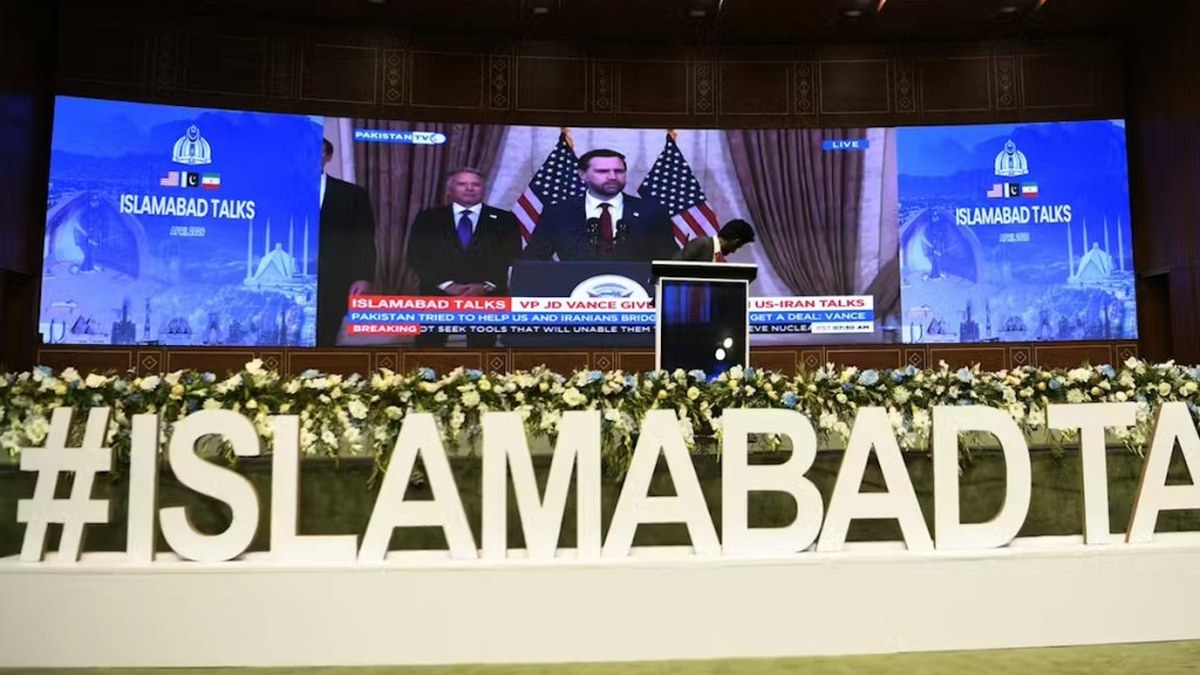
Iran agreed to a ceasefire for survival as the weaker party, not for peace, and the nuclear question that derailed the April 11–12 Pakistan talks has no clear resolution path — meaning the region faces periodic flare-ups, a possible Middle East arms race, and recurring instability around the Strait of Hormuz rather than a genuine settlement.
Background & Timeline
- Editor context: The renewed Hormuz shutdown and fragile truce indicate that regional actors are leveraging their limited power to create localized disruptions, effectively shifting the burden of escalation onto their rivals without direct confrontation.
Sources Cited
Related Coverage
Ask SkimNews