U.S. Proposed Ukraine Land Concession for NATO Access
The 30-Second Skim
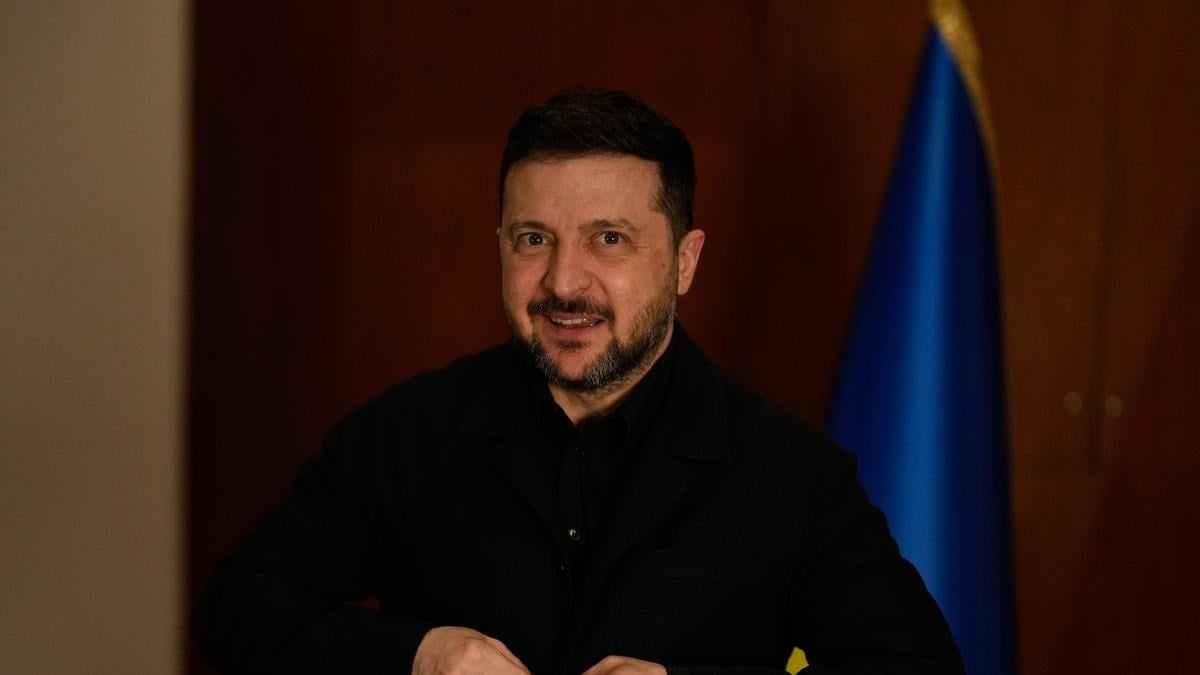
- What happened: President Volodymyr Zelenskyy stated that U.S. envoys Jared Kushner and Steve Witkoff raised the idea of Ukraine withdrawing from Donbas in exchange for NATO membership during talks in Abu Dhabi. The Kremlin continues military strikes as European nations prepare to join future negotiations.
- Key facts & numbers: On November 14, 2026, Zelenskyy disclosed the U.S. proposal during a statement; the talks occurred after two days in Abu Dhabi involving Kushner and Witkoff meeting Putin and Zelenskyy separately. Five European nations—France, Germany, Italy, the U.K., and Poland—were selected on November 13, 2026, to join upcoming peace discussions.
- What happens next: European representatives from five nations will engage in follow-up negotiations, while U.S. envoys continue exploring 'new ideas' behind closed doors, with no public timeline for next formal talks or potential ceasefire proposals.
Why It Matters
The reported U.S. suggestion marks a significant shift in Western diplomatic posture, potentially signaling willingness to accept territorial compromises for strategic gains like NATO expansion. Such a stance could undermine Ukraine’s sovereignty claims and embolden Moscow, affecting long-term European security calculus and alliance cohesion.
European leaders, including Macron and Merz, reject any security framework that rewards Russian aggression, warning it risks normalizing conquest. If aid or negotiations hinge on territorial concessions, it may deter future democratic defense efforts and reshape NATO’s credibility in deterring hybrid warfare across Eastern Europe.
How Outlets Are Framing It
- [The Hindu / Diplomatic Tension Lens]: Focuses on the diplomatic rupture implied by U.S. suggesting territorial concession, highlighting Zelenskyy’s framing of NATO re-engagement amid ongoing Russian attacks.
- [Japan Today / Geopolitical Risk Lens]: Emphasizes the broader security implications, particularly how U.S.-backed proposals could destabilize postwar European order and embolden revisionist powers.
- [Western Policy Press / Sovereignty Risk Lens]: Stresses the danger of conditioning NATO access on land cession, viewing it as a threat to international norms and Ukraine’s right to self-determination.
Background & Timeline
- February 2022: Russia launched full-scale invasion of Ukraine, citing NATO expansion as a primary justification, leading to widespread Western sanctions and military aid to Kyiv.
- November 2021: Moscow issued security demands to the West, including a ban on Ukraine joining NATO and the withdrawal of alliance forces from Eastern Europe.
Sources Cited
Related Coverage
Ask SkimNews