U.S. Pushes Europe into Russia-Ukraine Talks
The 30-Second Skim
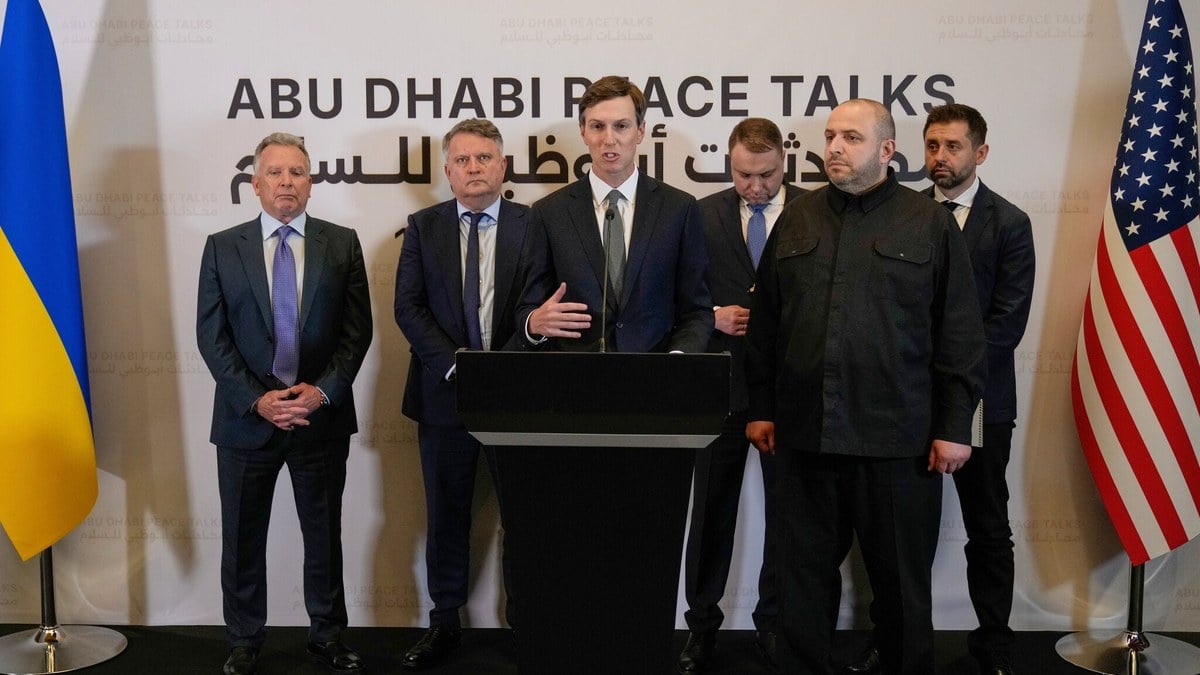
- What happened: U.S. envoys concluded Ukraine peace talks in Abu Dhabi and plan to meet Putin in Moscow and Zelensky in Dublin, pushing to expand negotiations to include Europe despite Russian resistance and European demands for a cease-fire first.
- Key facts & numbers: U.S. envoys Jared Kushner and Steve Witkoff led two days of Ukraine peace talks in Abu Dhabi that ended without Russian agreement to include Europe in negotiations, though they secured progress on a major humanitarian prisoner swap. Russia insisted during the Abu Dhabi talks that postwar European security structures be negotiated alongside cease-fire and territorial discussions, a demand that European leaders say must follow, not precede, a cease-fire. Ursula von der Leyen reiterated the European Commission’s position that negotiations must not occur at gunpoint, emphasizing a cease-fire must come before any talks on European security arrangements.
- What happens next: Everyone else says cease-fire first. U.S. envoys are negotiating security deals with Russia anyway — and Europe isn’t at the table.
- U.S. envoys Jared Kushner and Steve Witkoff led two days of Ukraine peace talks in Abu Dhabi that ended without Russian agreement to include Europe in negotiations, though they secured progress on a major humanitarian prisoner swap.
- Russia insisted during the Abu Dhabi talks that postwar European security structures be negotiated alongside cease-fire and territorial discussions, a demand that European leaders say must follow, not precede, a cease-fire.
- Ursula von der Leyen reiterated the European Commission’s position that negotiations must not occur at gunpoint, emphasizing a cease-fire must come before any talks on European security arrangements.
- Kushner and Witkoff will travel to Moscow and then Dublin to continue diplomacy, aiming to align Russian demands for broader security talks with Ukrainian and European conditions for peace.
Why It Matters
The U.S. is bypassing Europe’s preferred sequencing—cease-fire first—to accommodate Russia’s demand for security talks, risking transatlantic friction. If negotiations advance without European inclusion, it weakens the EU’s leverage and could legitimize Russian influence over continental security before battlefield concessions are secured.
Sources Cited
Related Coverage
Ask SkimNews