U.S. Strikes Iranian Ports After Destroyer Attacks
The 30-Second Skim
- What happened: U.S. forces hit Iranian sites in Qeshm and Bandar Abbas after Iran fired missiles, drones and boats at three destroyers in the Strait of Hormuz; President Trump called the strikes a ‘love tap’ and said the ceasefire remains in effect.
- Key facts & numbers: U.S. forces struck Iranian military facilities in Qeshm Port and Bandar Abbas after Iran launched missiles, drones and small boats at three U.S. destroyers transiting the Strait of Hormuz, with all threats intercepted and no warships hit. President Trump called the strikes a “love tap” in a phone call with ABC News and later warned on Truth Social that the United States would “knock Iran out a lot harder” if a deal is not signed quickly. Iran fired several missiles, drones and small boats at the USS Truxtun, USS Rafael Peralta and USS Mason, but U.S. defenses intercepted the attacks, preventing any damage.
- What happens next: Most headlines brag Trump’s ‘love tap’, but the article notes the Pentagon didn’t call the strikes ceasefire violations—a key nuance.
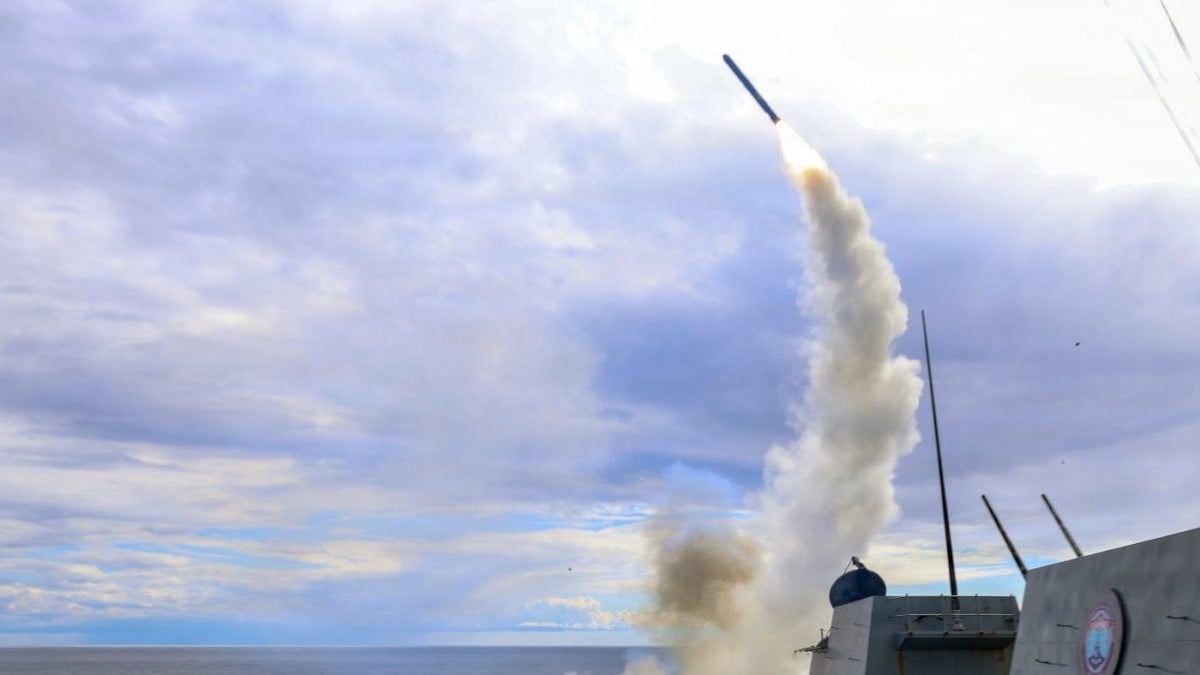
- U.S. forces struck Iranian military facilities in Qeshm Port and Bandar Abbas after Iran launched missiles, drones and small boats at three U.S. destroyers transiting the Strait of Hormuz, with all threats intercepted and no warships hit.
- President Trump called the strikes a “love tap” in a phone call with ABC News and later warned on Truth Social that the United States would “knock Iran out a lot harder” if a deal is not signed quickly.
- Iran fired several missiles, drones and small boats at the USS Truxtun, USS Rafael Peralta and USS Mason, but U.S. defenses intercepted the attacks, preventing any damage.
- Pentagon said the strikes are not classified as ceasefire violations, despite criticism from Persian Gulf states, and that CENTCOM does not seek escalation but remains ready to protect American forces.
Why It Matters
The strikes reinforce U.S. resolve to defend its navy and reassure Gulf allies, while the Pentagon’s refusal to label them ceasefire breaches keeps diplomatic channels open; however, the pause of Project Freedom and the stalled nuclear‑related talks show that regional security and a broader deal remain fragile.
Sources Cited
Related Coverage
Ask SkimNews