US Tariffs Up to 12.5% and EU Laws Tighten the Squeeze on China
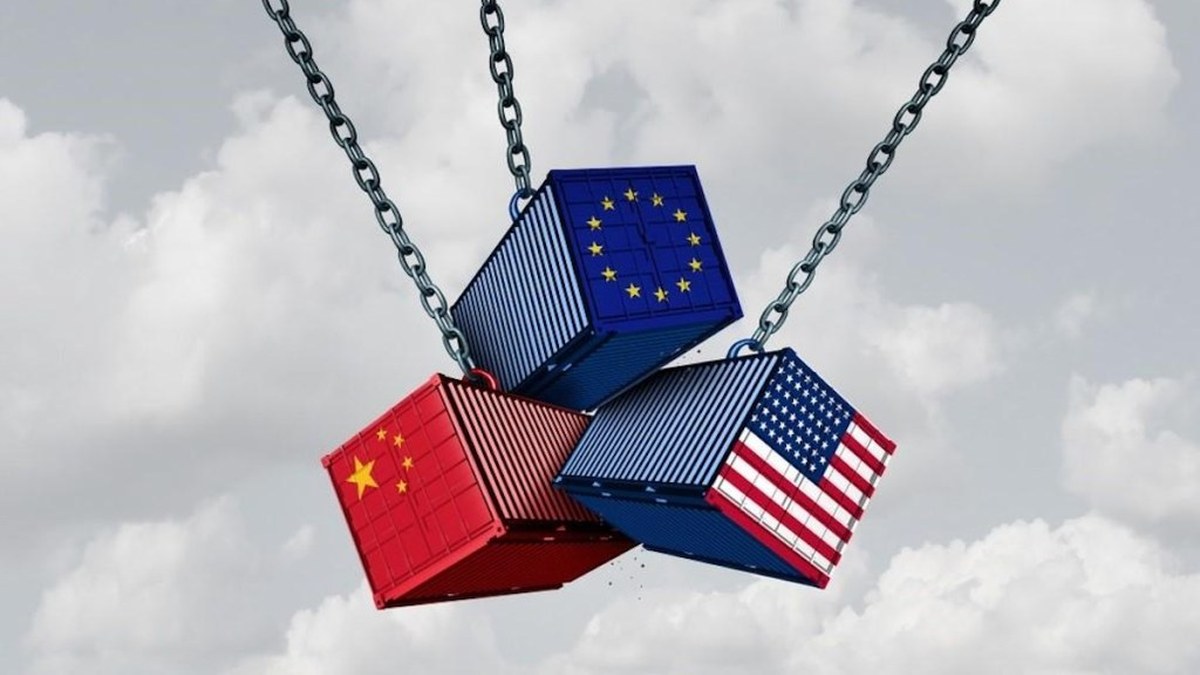
The 30-Second Skim
- What happened: Proposed US tariffs of up to 12.5% on 60 trading partners including China, combined with new EU industrial and cybersecurity legislation, have prompted Beijing to warn of retaliation and raised fears of a broader global trade conflict.
- Key facts & numbers: The US Trade Representative proposed additional tariffs of up to 12.5% on imports from 60 trading partners, including China, citing failures to prevent exports of goods linked to forced labor practices. China is expected to be among the most affected countries given its central role in global manufacturing and longstanding US concerns about labor practices in certain regions. The European Union unveiled two major legislative initiatives — the Industrial Accelerator Act and the Cybersecurity Act — that, while not explicitly targeting China, could restrict Chinese firms' access to European markets in renewable energy, advanced manufacturing, batteries, and telecommunications.
- What happens next: Notice the framing: the US cites forced labor, the EU cites security and competitiveness — but the practical effect is the same: fewer Chinese goods and capital crossing Western borders.
- The US Trade Representative proposed additional tariffs of up to 12.5% on imports from 60 trading partners, including China, citing failures to prevent exports of goods linked to forced labor practices.
- China is expected to be among the most affected countries given its central role in global manufacturing and longstanding US concerns about labor practices in certain regions.
- The European Union unveiled two major legislative initiatives — the Industrial Accelerator Act and the Cybersecurity Act — that, while not explicitly targeting China, could restrict Chinese firms' access to European markets in renewable energy, advanced manufacturing, batteries, and telecommunications.
- Beijing has warned that retaliatory measures — including counter-tariffs, regulatory actions, export controls, or industry-specific restrictions — remain possible if policies deemed discriminatory are implemented.
Why It Matters
The USTR's proposed 12.5% tariffs target 60 countries with China as a primary focus, while the EU's twin industrial and cybersecurity legislation could effectively wall off key technology and manufacturing sectors from Chinese competition. If Beijing follows through on its retaliation threats, sectors like electronics, automotive, and renewable energy — all heavily reliant on China-based supply chains — face sustained cost increases and sourcing disruption at a time when global growth is still fragile.
Sources Cited
Related Coverage
- U.S. poised to impose new tariffs on China, EUThe Hindu
- US unveils new tariffs on 60 partners as Trump rebuilds trade agendaChannel News Asia
- Brussels agrees on tougher China trade policy, as Beijing vows retaliation - South China Morning PostGoogle News World
- US hits dozens of trading partners with new wave of tariffsBBC Business
Ask SkimNews