India-China Reset Fades Between Summits
The 30-Second Skim
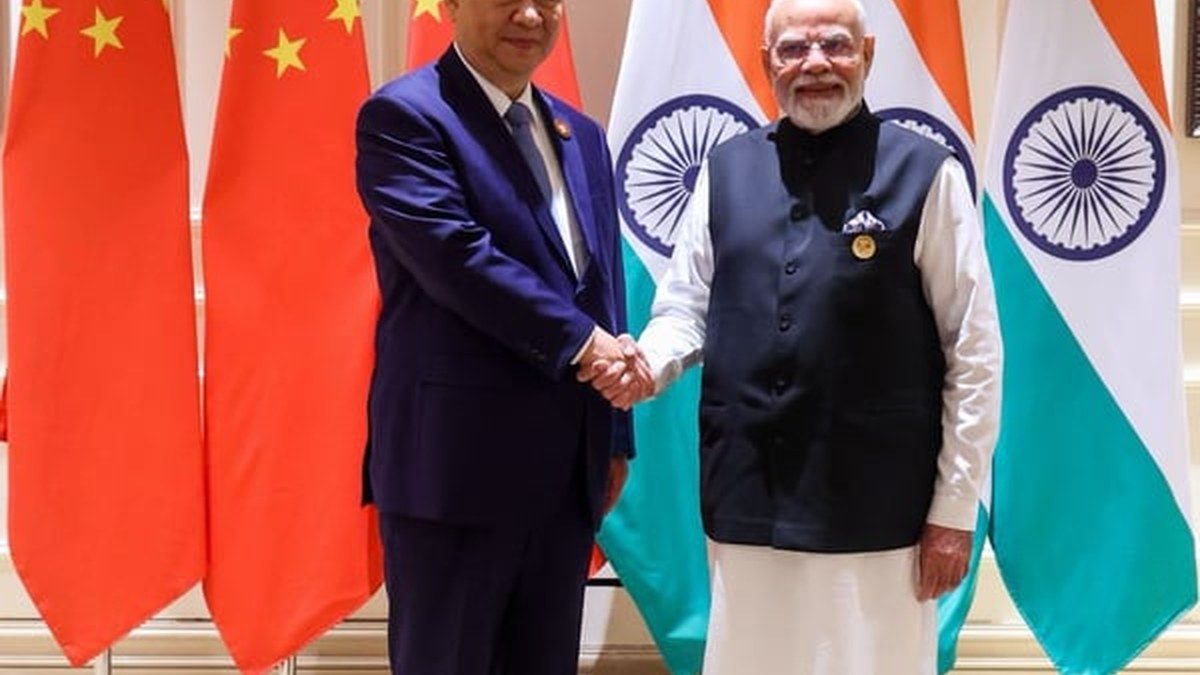
- What happened: Chinese President Xi Jinping met Indian Prime Minister Narendra Modi in New Delhi on September 12 — Xi's first India visit in nearly seven years — with both governments framing ties as warming after the 2020 Galwan clashes. The analysis argues these recurring pre-summit diplomatic thaws mask structural tensions that revert once the photo-ops end.
- Key facts & numbers: Xi Jinping met Narendra Modi on September 12 in New Delhi on the sidelines of the 18th BRICS Summit — Xi's first India visit in nearly seven years and their third meeting in under two years India and China have advanced bilateral ties over the past two years through boundary delimitation talks, resumed direct flights, India's easing of restrictions on select Chinese equipment imports, and Beijing's agreement to ease fertilizer and rare earth mineral exports to India Border breakthroughs have consistently landed just before multilateral summits: the September 8, 2022 Gogra-Hot Springs disengagement came a week before SCO Samarkand; the October 21, 2024 Depsang-Demchok patrolling agreement came two days before BRICS Kazan; and the Doval–Wang Yi 25th round Special Representatives talks preceded the 2026 SCO summit in Bishkek, producing an eight-point outcome with two new border hotlines and army-commander meeting points
- What happens next: The pattern is the story: every border breakthrough lands days before a summit, then the smiles fade. Photos ≠ progress.
- Xi Jinping met Narendra Modi on September 12 in New Delhi on the sidelines of the 18th BRICS Summit — Xi's first India visit in nearly seven years and their third meeting in under two years
- India and China have advanced bilateral ties over the past two years through boundary delimitation talks, resumed direct flights, India's easing of restrictions on select Chinese equipment imports, and Beijing's agreement to ease fertilizer and rare earth mineral exports to India
- Border breakthroughs have consistently landed just before multilateral summits: the September 8, 2022 Gogra-Hot Springs disengagement came a week before SCO Samarkand; the October 21, 2024 Depsang-Demchok patrolling agreement came two days before BRICS Kazan; and the Doval–Wang Yi 25th round Special Representatives talks preceded the 2026 SCO summit in Bishkek, producing an eight-point outcome with two new border hotlines and army-commander meeting points
- Al Jazeera reports China has repeatedly denied the Indian army access to key patrolling points and encroached in Arunachal Pradesh, even as both sides maintain heavy troop deployments and accelerate infrastructure construction along and near disputed sites
Why It Matters
India's strained ties with the US under Trump's tariffs may be accelerating the current thaw, but as former Foreign Secretary Nirupama Menon Rao argues, the two sides must shift from the "optics of success" at side-meetings toward a "steady and sustained process of stabilization" on the military and economic fronts. Until that happens, the recurring cycle — border concessions before summits, regression after — will continue, meaning any declared reset is closer to performance than substance.
Sources Cited
- The Diplomat — Episodic Summitry Alone Cannot Reset India-China Relations
Related Coverage
- Modi, Xi agree to work on resolving border disputeChannel News Asia
- Can a 20-second Modi-Xi handshake at the BRICS summit break years of India-China ice?Straits Times Asia
- Modi, Xi to Hold Talks at BRICS After India-China ThawStraits Times Asia
- Modi, Xi Push Business Links at BRICS SummitStraits Times Asia
Ask SkimNews