Xi Positions China as Open Tech Hub Amid US Curbs
The 30-Second Skim
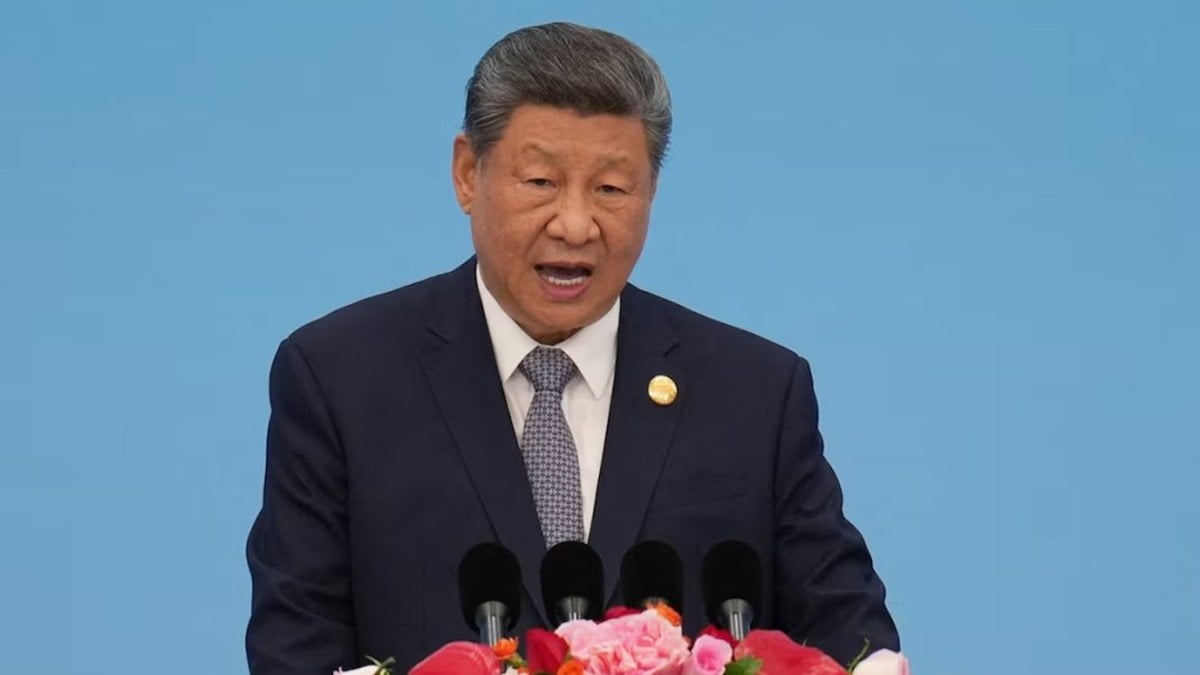
- What happened: At the APEC CEO Summit in Shenzhen, President Xi Jinping promoted China as a hub of open innovation and supply chain stability, contrasting with US semiconductor controls and bilateral tariff deals. He avoided direct confrontation but advanced a strategic vision centered on downstream AI applications and institutional market access.
- Key facts & numbers: Xi spoke on November 18, 2026, ahead of a US Commerce Department rule on cloud access to AI chips set for publication on November 19. Thailand’s Anutin Charnvirakul signed a $2.6 billion non-reciprocal trade deal with the US on November 17.
- What happens next: The US will publish its BIS interim rule on remote AI chip access on November 19, triggering a 90-day licensing window. Xi is scheduled to meet Trump and Putin in a trilateral session the same day, followed by CAFTA 3.0 implementation on December 1.
Why It Matters
Xi’s emphasis on downstream AI deployment and technical standard harmonization signals a long-term strategy to anchor China’s influence in regional supply chains. By leveraging Shenzhen’s hardware ecosystems and CAFTA 3.0’s imminent launch, Beijing aims to lock in regulatory interdependence before US cloud rules take effect.
The contrast between US transactional deals and China’s institutional openness could sway Southeast Asian economies weighing alignment. With the 15th Five-Year Plan underway and 4.6% GDP growth in Q1–Q3 2026, China’s market scale and policy continuity may attract firms seeking stable AI commercialization pathways amid geopolitical fragmentation.
How Outlets Are Framing It
- [Asia Times / Geopolitical Strategy]: Focuses on Xi’s calibrated messaging as a pre-emptive counter to US tech containment, highlighting strategic composure and regional influence-building ahead of high-level talks.
- [Global Times / National Narrative]: Emphasizes China’s role as a stabilizer in global trade, framing Xi’s speech as a defense of multilateralism and technological sovereignty against US protectionism.
- [Independent Analysis / Tech Policy Lens]: Stresses the shift from upstream chip control to downstream AI application scale, viewing Shenzhen’s integrated supply chains as a competitive alternative to US-led compute exclusivity.
Background & Timeline
- November 2025: China and ASEAN finalized negotiations on the CAFTA 3.0 protocol, aiming to deepen digital trade and regulatory alignment by end-2026.
- December 2001: China joined the WTO, a milestone Xi cited to underscore 25 years of integration and 'stability and predictability' in global trade.
Sources Cited
Related Coverage
Ask SkimNews