A worm that lived half a billion years ago preferred turning right
The 30-Second Skim7 points
- What happenedFossils of a 555-million-year-old worm from South Australia reveal that the ancient creature had a preference for turning right, potentially the oldest known evidence of handedness and a sign that complex nervous system traits emerged well before the Cambrian explosion.
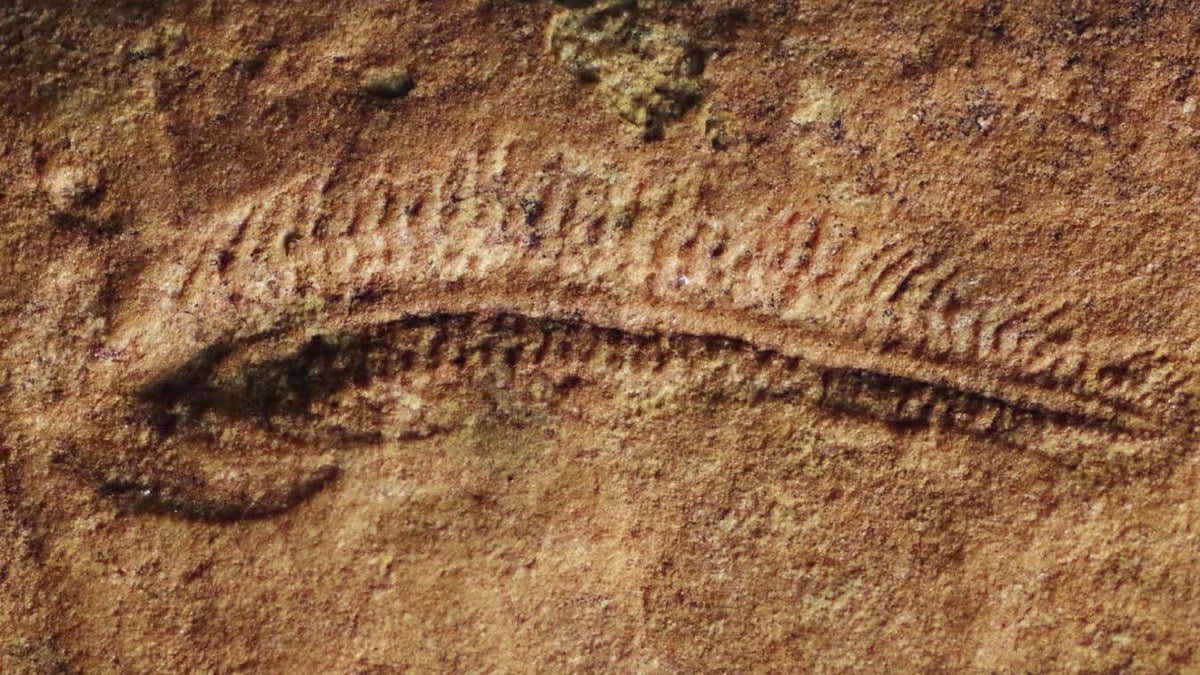
- Key facts & numbersScott Evans at the American Museum of Natural History and colleagues analyzed 100 fossil specimens of Spriggina floundersi, a flatworm-like creature collected in South Australia. Spriggina floundersi lived 555 million years ago during the Ediacaran Period, predating the Cambrian explosion, and foraged on or close to the seafloor by wriggling. Of roughly 50 clearly bent fossils, twice as many are bent to the left as to the right — because specimens are mirror-image impressions of the animals, the worms themselves bent right, the team reports.
- What happens next555 million years ago, a worm was already a righty. Handedness is literally ancient.
- Scott Evans at the American Museum of Natural History and colleagues analyzed 100 fossil specimens of Spriggina floundersi, a flatworm-like creature collected in South Australia.
- Spriggina floundersi lived 555 million years ago during the Ediacaran Period, predating the Cambrian explosion, and foraged on or close to the seafloor by wriggling.
- Of roughly 50 clearly bent fossils, twice as many are bent to the left as to the right — because specimens are mirror-image impressions of the animals, the worms themselves bent right, the team reports.
- Some specimens showed multiple bends in both directions, suggesting the creatures could move either way but had a rightward preference, mirroring patterns of handedness seen in modern animals.
Why It Matters
The discovery shifts the timeline for the evolution of handedness and advanced nervous system traits back roughly 14 million years before the Cambrian explosion, challenging the view that such complex behaviors originated only after animal life diversified. By showing Ediacaran organisms already displayed functional asymmetry, paleontologists gain a new baseline for when the neurological foundations underpinning modern animal behavior were laid.
Sources Cited
Related Coverage
Ask SkimNews
The day’s news in one short email, every morning.
Free. One email a day. Unsubscribe in one click.