Alzheimer’s Shrinks Amygdala, Entorhinal Cortex First
The 30-Second Skim
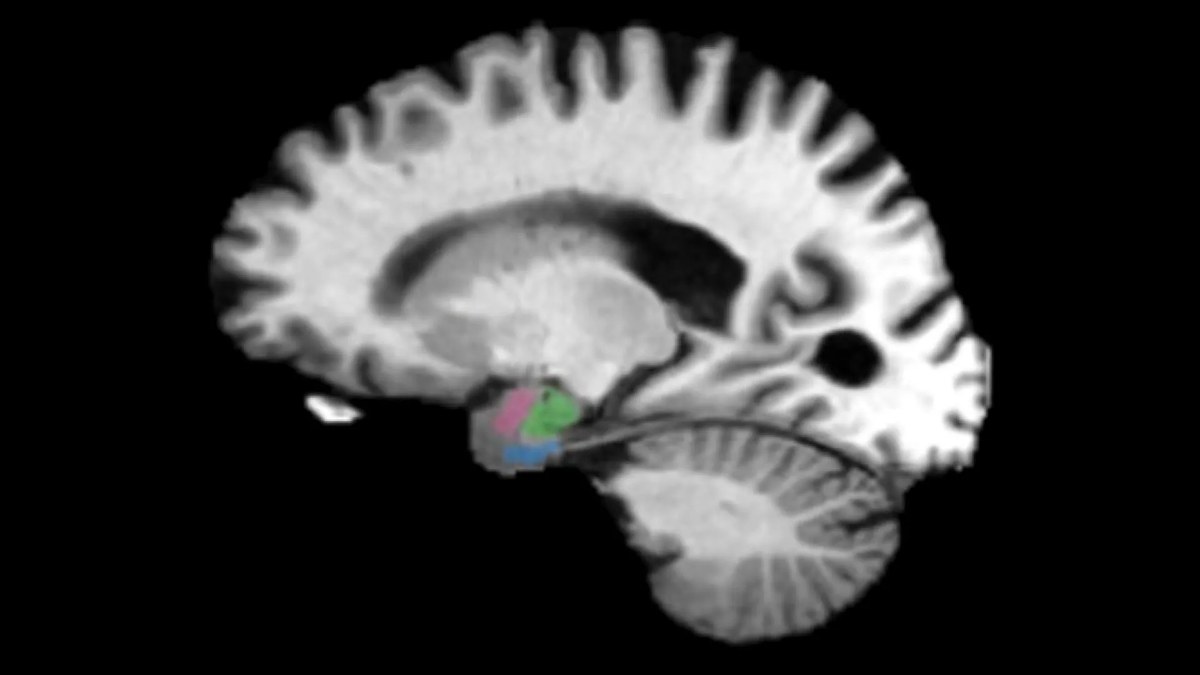
- What happened: Johns Hopkins researchers found that the entorhinal cortex and amygdala begin shrinking up to a decade before memory loss in Alzheimer’s, earlier than the hippocampus, offering a potential window for earlier detection and treatment.
- Key facts & numbers: Johns Hopkins University researchers analyzed hundreds of brain scans and found the entorhinal cortex and amygdala show tissue loss up to ten years before Alzheimer’s symptoms appear, earlier than the hippocampus. Michael Miller stated that brain changes linked to Alzheimer’s begin 5 to 10 years before clinical symptoms, emphasizing the potential to intervene earlier in the disease process. Entorhinal cortex and amygdala atrophy is associated with abnormal tau protein buildup, a key Alzheimer’s biomarker, suggesting these regions could improve early risk prediction.
- What happens next: Most headlines fixate on 'early detection'—but the real story is that the hippocampus isn’t the first domino. The entorhinal cortex and amygdala fall earlier, and we’ve been looking in the wrong place all along.
- Johns Hopkins University researchers analyzed hundreds of brain scans and found the entorhinal cortex and amygdala show tissue loss up to ten years before Alzheimer’s symptoms appear, earlier than the hippocampus.
- Michael Miller stated that brain changes linked to Alzheimer’s begin 5 to 10 years before clinical symptoms, emphasizing the potential to intervene earlier in the disease process.
- Entorhinal cortex and amygdala atrophy is associated with abnormal tau protein buildup, a key Alzheimer’s biomarker, suggesting these regions could improve early risk prediction.
- Marilyn Albert emphasized the goal of treating Alzheimer’s before symptoms develop to delay or stop cognitive decline, highlighting the importance of early biomarkers.
Why It Matters
People at genetic or familial risk for Alzheimer’s could benefit from brain scans in their 30s or 40s, enabling earlier intervention when treatments become available. This shift could transform how doctors monitor cognitive decline, moving focus from the hippocampus to the entorhinal cortex and amygdala for more accurate early detection.
Sources Cited
Related Coverage
Ask SkimNews