First Ancient Human DNA Found on Cave Walls
The 30-Second Skim7 points
- What happenedResearchers have for the first time recovered ancient human DNA directly from cave walls and rock art in Spain and Portugal, opening a new avenue for identifying who created prehistoric drawings without excavation.
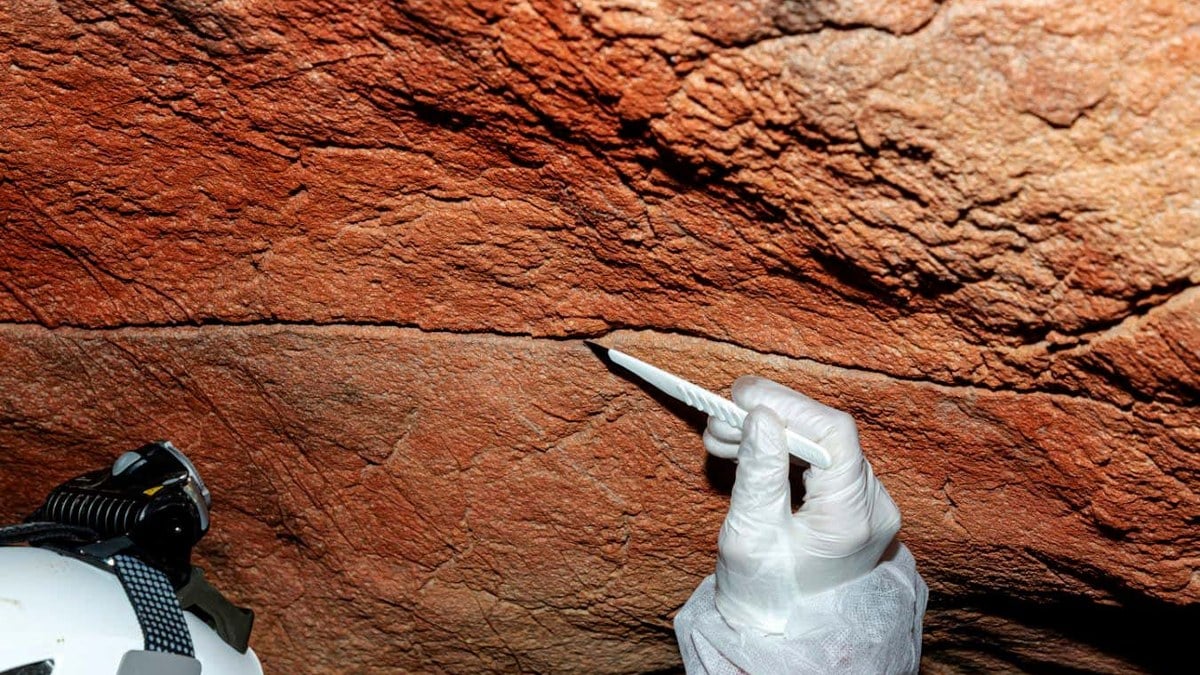
- Key facts & numbersFirst Art project researchers sampled 11 caves across Spain and Portugal between 2022 and 2025, taking tiny shavings of paint and calcite layers from rock art including red ochre triangles, dots, and hand stencils. Escoural Cave in Portugal yielded ancient human DNA from red markings resembling a semicolon — the first time such DNA has been recovered from cave walls rather than floor sediment. Alba Bossoms Mesa at the Max Planck Institute called the Escoural find a 'happy surprise' but cautioned the DNA could be from someone who touched the art later, or 'from someone who just sneezed.'
- What happens nextThe semicolon-shaped marking is the headline — but the blank-wall DNA finding is the underrated story. 1 of 24 panels hit, and cave floors are now off-limits gossip.
- First Art project researchers sampled 11 caves across Spain and Portugal between 2022 and 2025, taking tiny shavings of paint and calcite layers from rock art including red ochre triangles, dots, and hand stencils.
- Escoural Cave in Portugal yielded ancient human DNA from red markings resembling a semicolon — the first time such DNA has been recovered from cave walls rather than floor sediment.
- Alba Bossoms Mesa at the Max Planck Institute called the Escoural find a 'happy surprise' but cautioned the DNA could be from someone who touched the art later, or 'from someone who just sneezed.'
- Ancient human DNA also turned up on cave walls with NO art (control areas), meaning even blank walls preserve genetic traces of prehistoric visitors — a result that left archaeologist Hipólito Collado Giraldo 'absolutely astonished.'
Why It Matters
Archaeologists may soon identify the actual individuals who painted prehistoric cave art — including the long-debated question of whether Neanderthals drew on Iberian cave walls — without the destruction that excavation entails; the 1-in-24 success rate shows the technique is still in its infancy but the blank-wall DNA discovery widens the prize far beyond known art panels.
Sources Cited
- Max-Planck-GesellschaftAncient DNA found on cave walls
- National GeographicIn a first, scientists extract ancient human DNA from cave walls
Related Coverage
Ask SkimNews
The day’s news in one short email, every morning.
Free. One email a day. Unsubscribe in one click.