Bone Compression Eases Brain Injuries in Mice, Pigs
The 30-Second Skim
- What happened: Researchers have found that firmly pressing down on shin bones for minutes a day dramatically improved movement and cognition in mice and pigs with traumatic brain injuries, identifying a previously unknown bone-to-brain healing pathway involving three key molecules.
- Key facts & numbers: Xiaochun Bai at Southern Medical University and colleagues found that firmly pressing on shin bones for 2.5 minutes daily over five days drastically improved motor and cognitive function in mice with moderate traumatic brain injuries, with treated mice descending a pole as quickly as uninjured mice at both one and eight weeks. The mechanism runs through osteocytes — bone cells containing Piezo1 ion channels that open when sensing force — and when the team knocked out Piezo1 in those cells, bone compression had no impact on motor or memory function in injured mice. Treated mice showed elevated serum levels of three molecules: BDNF (neuron support), PF4 (inflammation) and dopamine (memory and movement), and injecting that serum into untreated injured mice transferred the brain benefits without any bone compression.
- What happens next: Wildest part: injecting serum from bone-pressed mice into unpressed injured mice transferred the brain benefits. Only males were tested though.
- Xiaochun Bai at Southern Medical University and colleagues found that firmly pressing on shin bones for 2.5 minutes daily over five days drastically improved motor and cognitive function in mice with moderate traumatic brain injuries, with treated mice descending a pole as quickly as uninjured mice at both one and eight weeks.
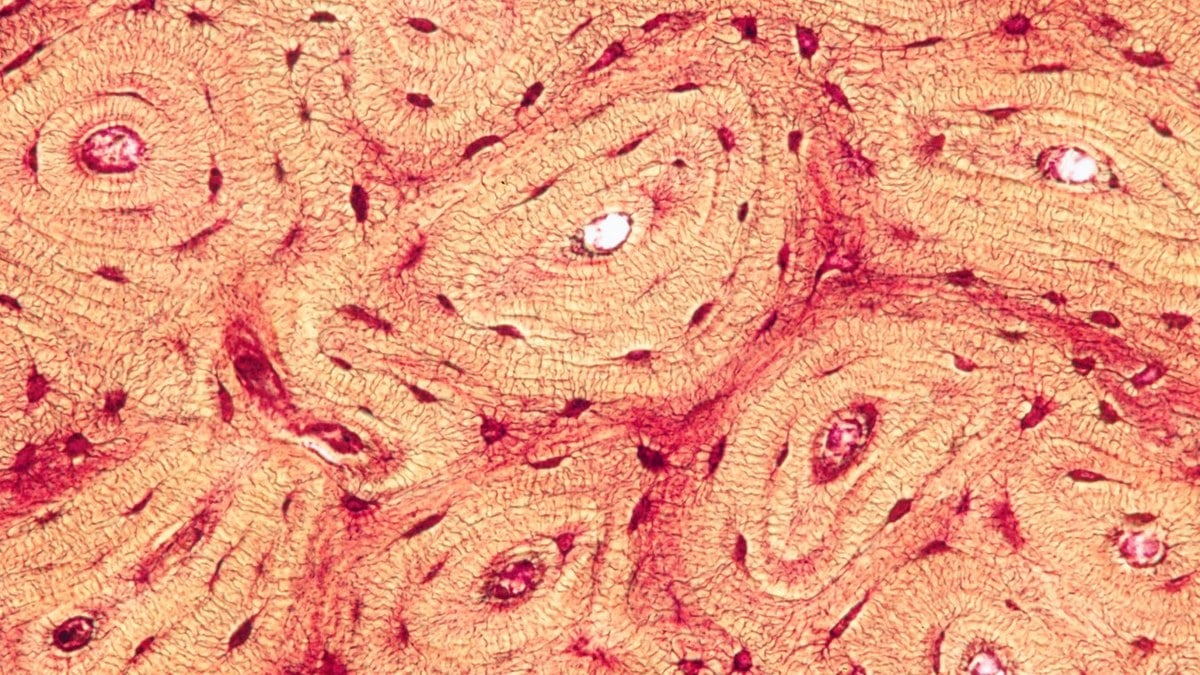
- The mechanism runs through osteocytes — bone cells containing Piezo1 ion channels that open when sensing force — and when the team knocked out Piezo1 in those cells, bone compression had no impact on motor or memory function in injured mice.
- Treated mice showed elevated serum levels of three molecules: BDNF (neuron support), PF4 (inflammation) and dopamine (memory and movement), and injecting that serum into untreated injured mice transferred the brain benefits without any bone compression.
- In male adolescent pigs with moderate TBIs, shin compression at twice body weight reduced neuron and brain tissue loss, lowered inflammation and improved cognitive performance, with the same three molecules elevated in their serum.
Why It Matters
No approved drug exists to restore lost brain function after a traumatic brain injury, leaving the ~40,000 people who suffer TBIs annually in England and Wales with limited options beyond physical rehab. If bone-loading works in people, it could be applied even to ICU patients who cannot exercise, offering the first non-pharmaceutical TBI therapy targeting a newly identified bone-to-brain signaling axis.
Sources Cited
Related Coverage
Ask SkimNews