Iron Age Scottish Skull Shows Evidence of Brain Removal
The 30-Second Skim
- What happened: Researchers re-examining an Iron Age burial in northern Scotland found regular scrape marks inside a woman's skull that suggest her brain was deliberately removed after death, alongside evidence her long bones were shaped to a point, possibly into tools.
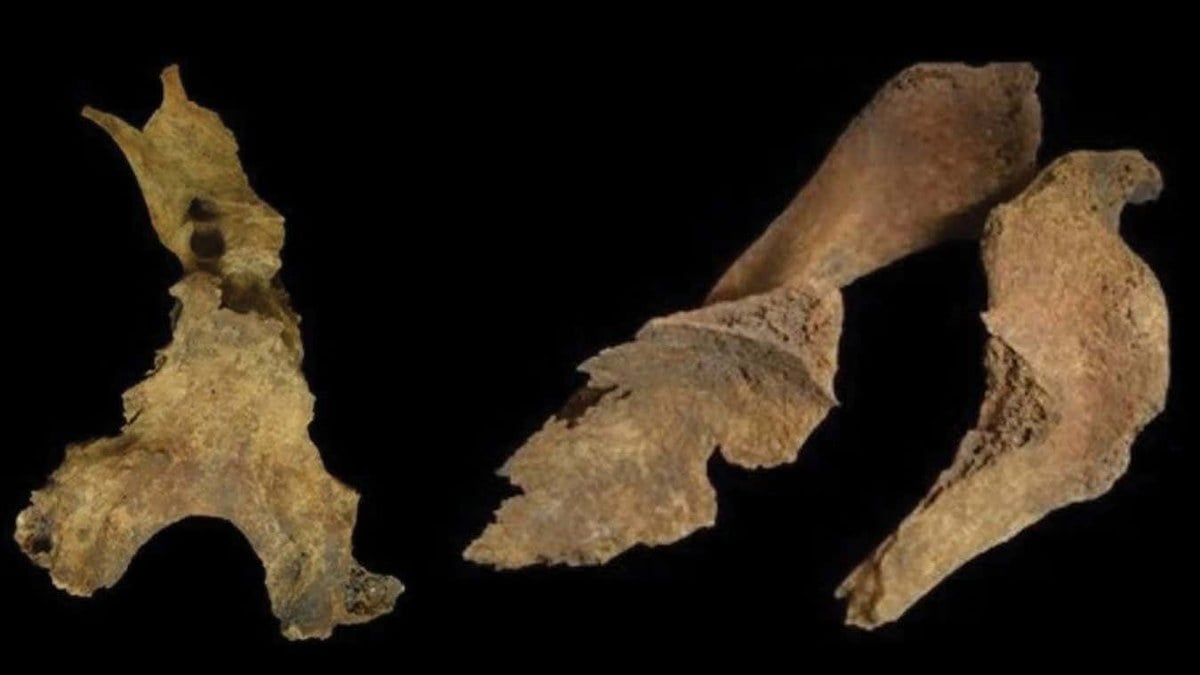
- Key facts & numbers: Laura Castells Navarro at the University of York re-examined an adult woman and teenage boy buried in a stone cairn at Loch Borralie near Scotland's north coast, originally excavated in 2000, both dated to roughly 50 BC–AD 70. The woman's cranium contained straight, regular striations that Castells Navarro says look too precise for natural causes and were most likely made with a sharp implement to remove the brain. The woman's long bones, including the femur, tapered toward their ends as if whittled to a point, possibly turned into tools — though Cardiff University's Richard Madgwick suggests the bones may have simply been repurposed after breaking.
- What happens next: Madgwick's caveat is the real story: sure, the brain came out, but the skeleton went back in anatomical order. That says more about belief than any single scrape mark.
- Laura Castells Navarro at the University of York re-examined an adult woman and teenage boy buried in a stone cairn at Loch Borralie near Scotland's north coast, originally excavated in 2000, both dated to roughly 50 BC–AD 70.
- The woman's cranium contained straight, regular striations that Castells Navarro says look too precise for natural causes and were most likely made with a sharp implement to remove the brain.
- The woman's long bones, including the femur, tapered toward their ends as if whittled to a point, possibly turned into tools — though Cardiff University's Richard Madgwick suggests the bones may have simply been repurposed after breaking.
- The skeleton was reassembled in anatomical order and placed back in the cairn after the modifications, which Madgwick called 'remarkable' and a possible sign that the individual's identity persisted after death.
Why It Matters
The find is the first physical evidence of post-mortem brain removal from Iron Age Britain, adding a new dimension to the already unusual Iron Age funerary record — which includes exhumation, defleshing and reburial — and suggesting the living maintained a sustained, hands-on relationship with the dead rather than burying them and walking away.
Sources Cited
- New Scientist — Iron Age Britons may have removed the brains of the dead
Related Coverage
Ask SkimNews