Acorns and mice predict Lyme tick surges; deer don't
The 30-Second Skim7 points
- What happenedA 35-year ecological study overturns longstanding assumptions about what drives Lyme disease risk, a disease diagnosed in nearly 500,000 Americans annually, and gives officials a stronger basis for anticipating high-exposure years.
- Key facts & numbersCary Institute of Ecosystem Studies researchers published a study in Proceedings of the National Academy of Sciences bringing together nine of the project's most surprising discoveries, drawn from more than 35 years of monitoring at their 2,000-acre forested property in Dutchess County, New York, tracked since 1991. White-tailed deer showed no statistically significant relationship to nymphal tick abundance across the full dataset, undercutting the 1980s assumption that more deer produced more ticks. Mouse populations were followed by roughly 40% more nymphal ticks the next year, with white-footed mice especially effective at transmitting Borrelia burgdorferi to the larvae that feed on them.
- What happens nextThe curveball: skunks, squirrels and opossums feed ticks but rarely infect them — a mouse boom means more ticks, not necessarily more Lyme.
- Cary Institute of Ecosystem Studies researchers published a study in Proceedings of the National Academy of Sciences bringing together nine of the project's most surprising discoveries, drawn from more than 35 years of monitoring at their 2,000-acre forested property in Dutchess County, New York, tracked since 1991.
- White-tailed deer showed no statistically significant relationship to nymphal tick abundance across the full dataset, undercutting the 1980s assumption that more deer produced more ticks.
- Mouse populations were followed by roughly 40% more nymphal ticks the next year, with white-footed mice especially effective at transmitting Borrelia burgdorferi to the larvae that feed on them.
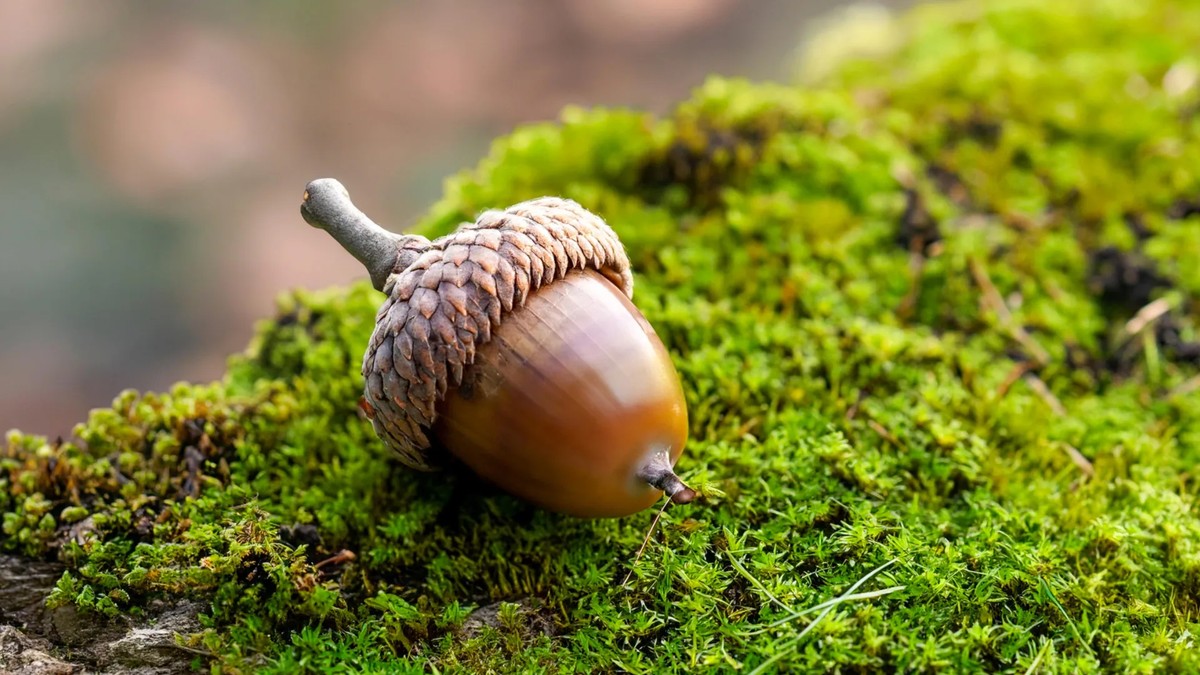
- Heavy acorn crops reliably predicted an increase in nymphal ticks two years later, as mast years fed a rodent boom in the following year that then supported more larvae.
Why It Matters
Public-health officials gain a concrete early-warning tool: a mouse boom precedes roughly 40% more nymphal ticks, and a heavy acorn crop predicts that surge two years out. Counting mice alone still cannot show what share of ticks carry the Lyme bacterium, because skunks, squirrels and opossums dilute infection prevalence.
Sources Cited
Related Coverage
The day’s news in one short email, every morning.
Free. One email a day. Unsubscribe in one click.