Colossal launches GenoMorph AI for dodo de-extinction
The 30-Second Skim
- What happened: Colossal Biosciences unveiled GenoMorph, an AI platform that pinpoints gene-editing targets for de-extinction projects starved of genomic data, with the dodo — for which only one genome exists — as the lead application.
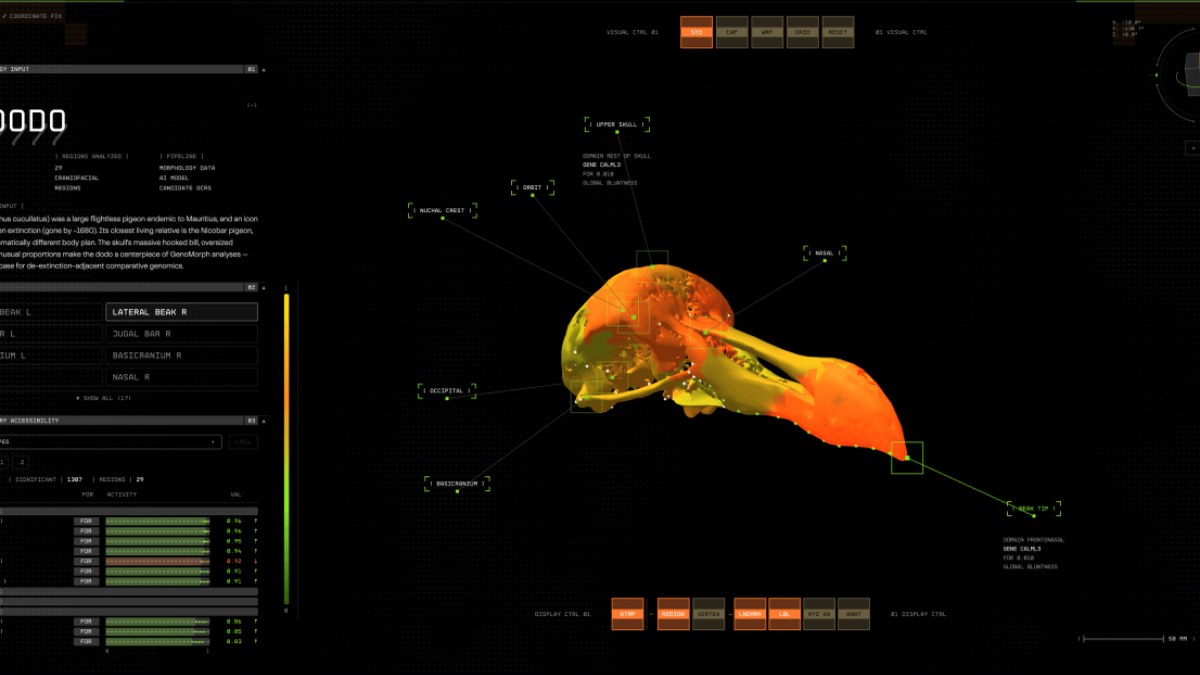
- Key facts & numbers: Colossal Biosciences launched GenoMorph, an AI platform combining 3D morphology, comparative genomics, and developmental biology to identify which genetic switches made extinct species unique. Colossal is applying GenoMorph to the dodo first, working from a single available dodo genome compared to 100 genomes it has assembled for the woolly mammoth, because tropical climates degrade DNA faster than the mammoth's Arctic habitats. GenoMorph was trained on developmental data from chickens, quail, ducks, and pigeons, plus genetic information and 3D skull measurements from more than 70 bird species — a build that took over a year.
- What happens next: Diamandis was already a Colossal investor before launching a fund to back companies using Colossal's tech — that's an insider boost dressed up as outside validation.
- Colossal Biosciences launched GenoMorph, an AI platform combining 3D morphology, comparative genomics, and developmental biology to identify which genetic switches made extinct species unique.
- Colossal is applying GenoMorph to the dodo first, working from a single available dodo genome compared to 100 genomes it has assembled for the woolly mammoth, because tropical climates degrade DNA faster than the mammoth's Arctic habitats.
- GenoMorph was trained on developmental data from chickens, quail, ducks, and pigeons, plus genetic information and 3D skull measurements from more than 70 bird species — a build that took over a year.
- Colossal has already identified approximately 2,300 DNA editing targets for dodo cranial facial morphology, addressing what CEO Ben Lamm called the company's biggest bottleneck.
Why It Matters
Colossal's biggest bottleneck in de-extinction has been figuring out which genetic changes actually made an extinct species unique — a problem exponentially harder when you have one genome instead of 100. GenoMorph cuts that search by directing lab work toward ~2,300 high-priority targets, and the lipid nanoparticle embryo delivery system removes a multi-year wait for breeding cycles. Diamandis — already a Colossal investor — launching a dedicated VC fund signals the company is now being pitched as a platform business, not just a dodo-and-mammoth novelty.
Sources Cited
Related Coverage
- Colossal Biosciences announces new AI platform to help accelerate de-extinction effortsGoogle News Science
- Colossal Biosciences births dire wolf, targets mammothThe Guardian Environment
- Colossal Secures Hundreds of Millions, Targets BluebuckThe Verge
- Doudna Lab Designs Novel Gene Editors Using Meta AIGoogle News Science
Ask SkimNews