Diabetes Locks Immune Cells in Inflammatory Mode
The 30-Second Skim7 points
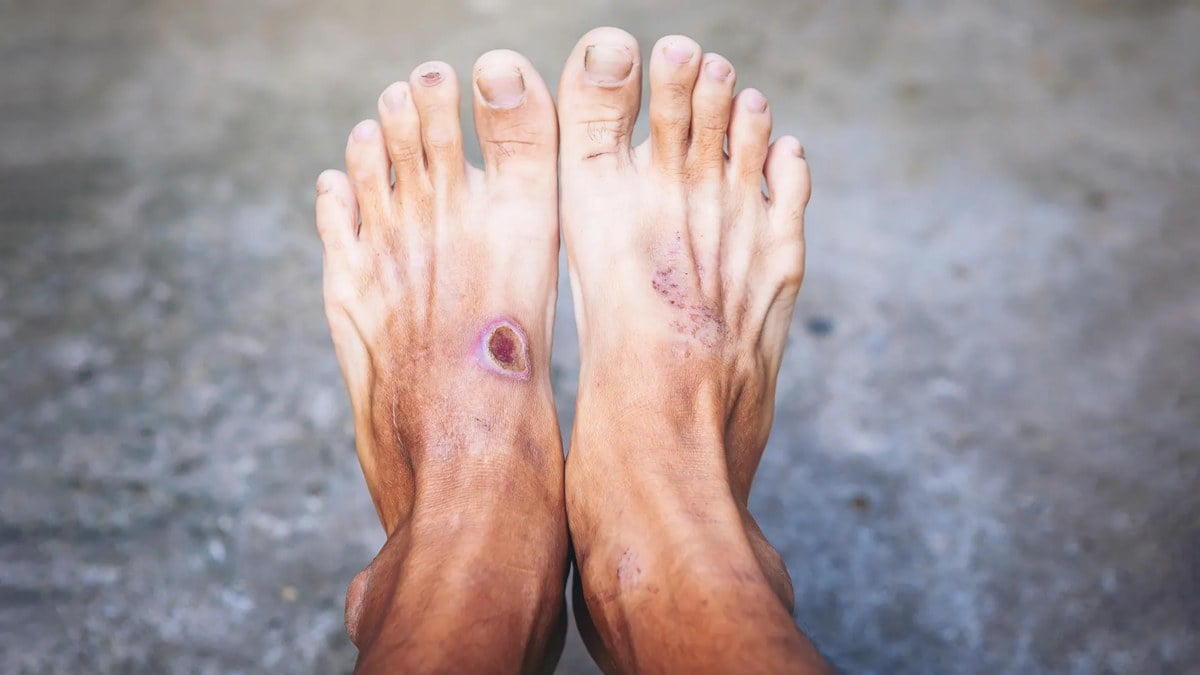
- What happenedA comprehensive review finds that chronic diabetic wounds fail to heal because multiple immune cell types remain trapped in pro-inflammatory states instead of transitioning to tissue repair modes, pointing toward stage-specific immunotherapies.
- Key facts & numbersYi Ru and colleagues published a review in MedScience examining how monocytes, macrophages, dendritic cells, neutrophils, mast cells, B cells, T cells, and natural killer cells behave across each stage of diabetic wound healing Macrophages in diabetic wounds stay locked in pro-inflammatory M1 states rather than shifting toward pro-reparative M2 states, prolonging tissue damage and blocking wound progression Chronic diabetic ulcers affect more than 131 million people worldwide and carry roughly $755 billion in annual healthcare costs, with serious risks of amputation and death
- What happens nextWild stat buried in paragraph 2: $755B/year and 131M people. Also — it's not one rogue cell type, it's the whole immune orchestra refusing to switch cues.
- Yi Ru and colleagues published a review in MedScience examining how monocytes, macrophages, dendritic cells, neutrophils, mast cells, B cells, T cells, and natural killer cells behave across each stage of diabetic wound healing
- Macrophages in diabetic wounds stay locked in pro-inflammatory M1 states rather than shifting toward pro-reparative M2 states, prolonging tissue damage and blocking wound progression
- Chronic diabetic ulcers affect more than 131 million people worldwide and carry roughly $755 billion in annual healthcare costs, with serious risks of amputation and death
- Neutrophil extracellular traps form poorly in diabetic wounds, releasing excess proteases and reactive oxygen species that sustain inflammation instead of clearing threats
Why It Matters
With 131 million people affected and $755 billion in annual costs, current diabetic wound care is blunt and often ends in amputation; this review reframes the problem as a multi-cell immune dysfunction and opens concrete drug targets—M2-promoting agents, IL-15 superagonists, topical biologics—delivered in stage-specific combinations to actually close stubborn ulcers.
Sources Cited
Related Coverage
Ask SkimNews
The day’s news in one short email, every morning.
Free. One email a day. Unsubscribe in one click.