DOJ expands health care fraud probes with AI tools
The 30-Second Skim
- What happened: DOJ is expanding health care fraud enforcement with a streamlined self-disclosure process, AI-powered detection tools, and new whistleblower incentives, officials announced at the STAT Summit in Boston.
- Key facts & numbers: DOJ officials announced an expansion of health care fraud investigations into corporate wrongdoing at the STAT Summit in Boston, with Deputy Assistant Attorney General Jacob Foster leading the announcement Thursday. The health care fraud section at DOJ will now serve as a one-stop shop for voluntary self-disclosures, consolidating what was previously a separate process at the Department of Health and Human Services. Companies that report potential criminal misconduct can receive benefits including limited caps on financial damages from both DOJ and HHS simultaneously.
- What happens next: The DOJ is consolidating HHS's old self-disclosure process into its own shop AND rolling out AI to hunt billing fraud. Double whammy for health care compliance teams.
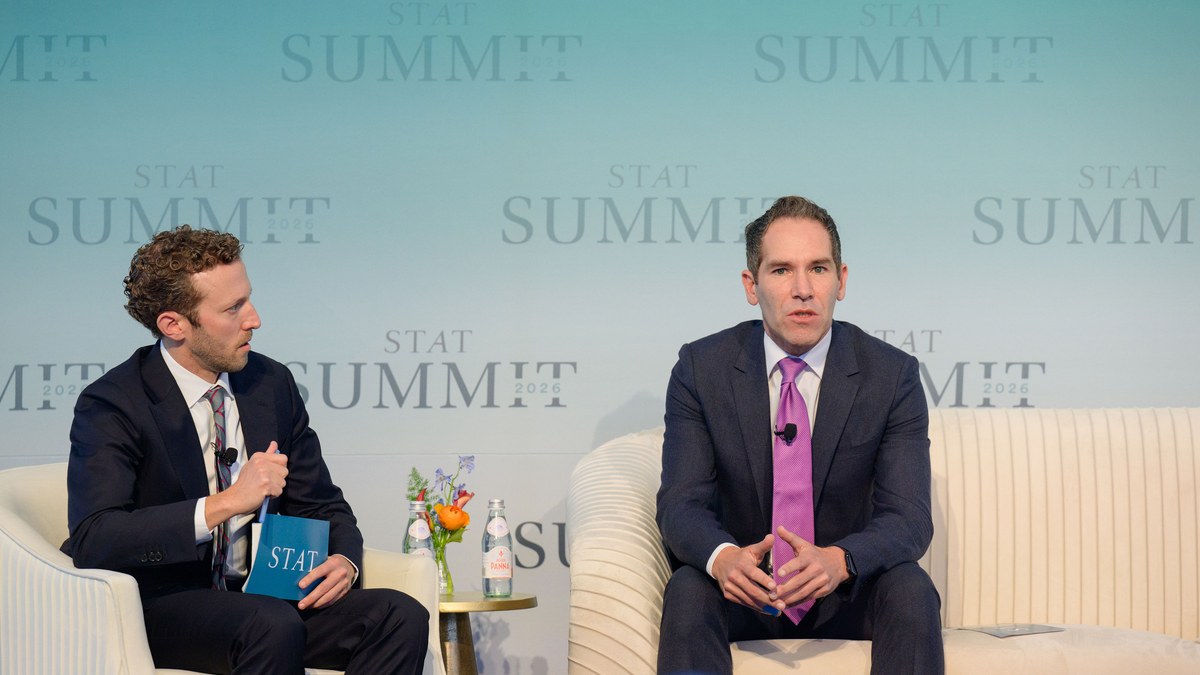
- DOJ officials announced an expansion of health care fraud investigations into corporate wrongdoing at the STAT Summit in Boston, with Deputy Assistant Attorney General Jacob Foster leading the announcement Thursday.
- The health care fraud section at DOJ will now serve as a one-stop shop for voluntary self-disclosures, consolidating what was previously a separate process at the Department of Health and Human Services.
- Companies that report potential criminal misconduct can receive benefits including limited caps on financial damages from both DOJ and HHS simultaneously.
- Foster's fraud enforcement unit will deploy data analytics and AI algorithms to detect providers billing for unneeded services, companies fabricating patient records, and health tech firms adding redundant diagnoses.
Why It Matters
Health care companies gain a single DOJ doorway for self-disclosure but face AI-driven detection of billing fraud, fabricated records, and redundant diagnoses — raising the cost of concealment. Prosecutors will now weigh executive knowledge and multi-state schemes more heavily, putting corporate leadership under direct scrutiny rather than just institutional fines.
Sources Cited
Related Coverage
Ask SkimNews